Abhijeet Dipke Was Arrested After Delhi CJP Protest as Neha Bora Released Hours Later
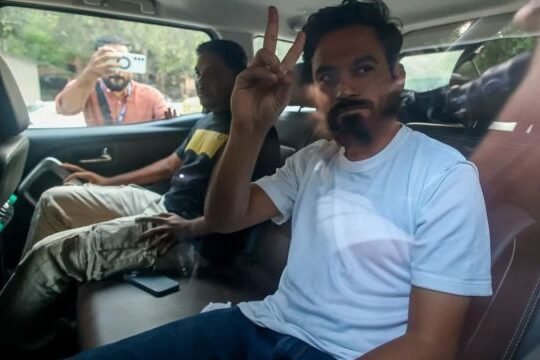
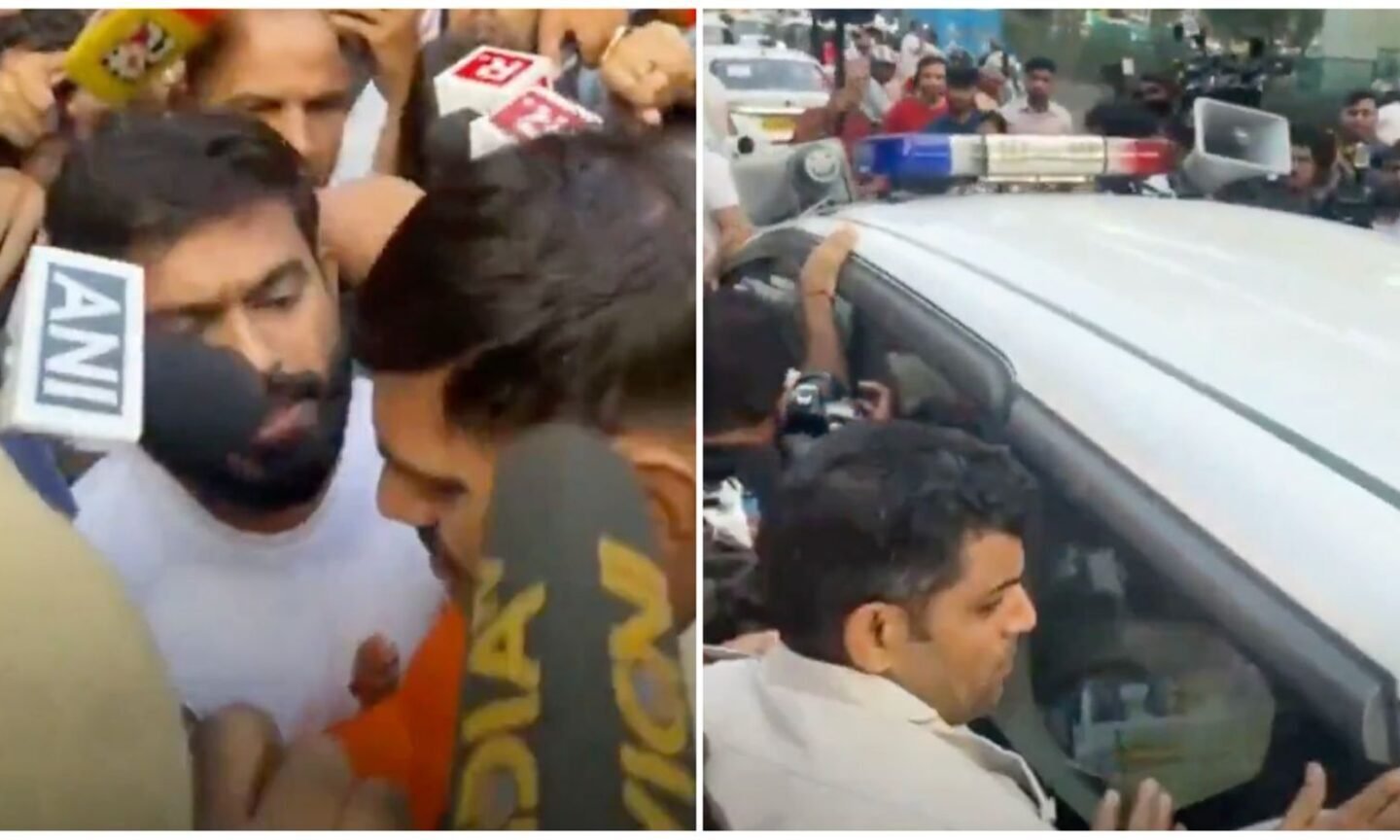
Abhijeet Dipke was arrested in the early hours of Saturday following preventive detention linked to the Cockroach Janata Party’s planned ‘Lehra Do Tiranga’ protest march at Connaught Place in New Delhi. The development came hours after both Dipke and All India Students’ Association (AISA) National President Neha Bora were taken into preventive custody on Friday. While Bora was released after formal procedures, action under relevant sections of the Bharatiya Nagarik Suraksha Sanhita (BNSS) was initiated against Dipke, who is set to be produced before the Special Executive Magistrate court.
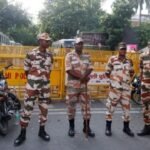
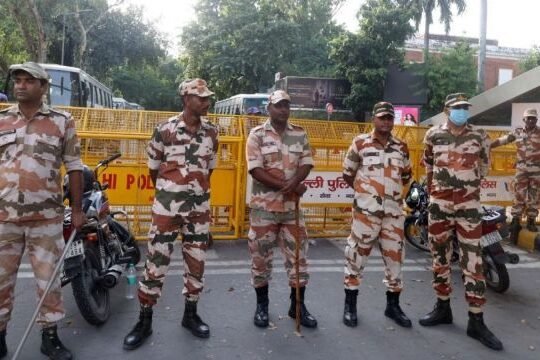
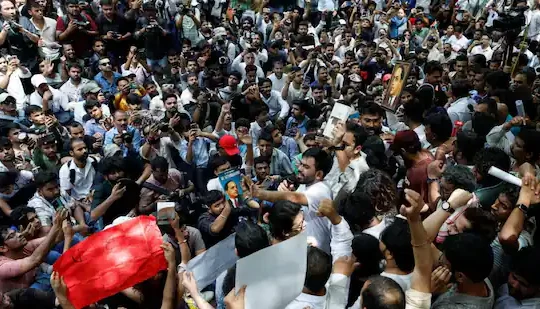
Delhi Police confirmed that Abhijeet Dipke was arrested after the initial preventive detention, whereas Neha Bora was released early Saturday morning under Section 65 of the Delhi Police Act. Both individuals had been detained as they made their way toward Connaught Place for the protest. Bora was held at Mandi House and Dipke at Jhandewalan. Police stated that approximately 150 people were detained overall to maintain law and order and ensure smooth traffic movement in the high-security area. Security personnel had cordoned off Central Park in Connaught Place, with Rapid Action Force personnel deployed inside and additional forces stationed nearby.
The sequence of events has drawn sharp reactions from both organisations. Following her release, Neha Bora addressed the media and criticised the handling of the detentions. She stated that law and order were being flouted and that ordinary citizens were being treated like hardened criminals. “By what law or order is it permissible to keep detainees held in custody all night long? Legally, individuals, especially women, ought to be released after sunset, yet this is not happening,” Bora said. She further alleged that police demanded her name, address and other details, delayed access to a legal advisor, and that lawyers spent five to six hours trying to reach her before finally being allowed to meet.
AISA claimed that after detention Bora was moved from one location to another across Delhi for about five hours before being taken to RK Puram police station. Lawyers who reached the station around midnight were initially not permitted to meet her. The organisation also alleged that police did not clarify the expected time of her release and refused to provide her medicines despite knowing she had been unwell in recent days.
On the other side, Cockroach Janata Party (CJP) raised serious concerns about the prolonged lack of information regarding Abhijeet Dipke. Late on Friday night the party alleged that his whereabouts remained unknown more than eight hours after detention. Neither his team nor his lawyers had been informed about the grounds for detention at that stage. CJP national organisation in-charge Ajinkya Shinde told the media on Saturday that party representatives visited Parliament Street Police Station but were informed Dipke was not there. “It has been more than eight hours since he was detained, yet we still do not know his whereabouts. They are not letting him speak to either a lawyer or our team. We have been unable to ascertain the grounds for his detention,” Shinde said. Police reportedly advised the party to inquire at the police station under whose jurisdiction the detention took place.
Sources indicated that Delhi Police has registered multiple FIRs for alleged violation of prohibitory orders imposed in Connaught Place and other parts of New Delhi on Friday. Despite announcements, a crowd had gathered in the area. Police stated that FIRs would be filed for violation of Section 163 of the BNSS (prohibitory orders promulgated by a magistrate) and that action would be taken against repeat offenders.
The ‘Lehra Do Tiranga’ protest had been planned as a public march at Connaught Place. Preventive measures were taken in advance, resulting in the detention of key organisers and participants. Abhijeet Dipke was arrested after the initial custody period, marking a shift from preventive detention to formal legal proceedings. He is scheduled to be produced before the Special Executive Magistrate court. In contrast, Neha Bora’s release after overnight detention has been confirmed by police, though both organisations continue to question aspects of the process, including delayed access to lawyers and movement between locations.
This episode highlights the tight security arrangements that are routinely put in place around central Delhi venues when political or student organisations announce public demonstrations. Connaught Place, being a high-traffic commercial and tourist hub adjacent to key government areas, often sees heightened police deployment, cordons and use of preventive provisions under the Delhi Police Act and the BNSS. The filing of FIRs under Section 163 BNSS underscores the police emphasis on enforcing prohibitory orders once they are in force.
Reactions from the detained leaders focus on procedural concerns. Bora’s comments after release centred on the duration of custody, especially overnight holding of women detainees, and restricted access to legal counsel during the initial hours. CJP’s statements similarly emphasised the lack of timely information about Dipke’s location and the grounds of detention for more than eight hours. Police, for their part, have maintained that the detentions were preventive in nature, aimed at preserving public order and traffic flow, and that subsequent formal action was taken only in Dipke’s case.
As Abhijeet Dipke was arrested and faces production before the magistrate, attention will now turn to the court proceedings and any further statements from Delhi Police. Neha Bora’s release closes one chapter of the overnight detentions, yet both AISA and CJP have used the episode to raise broader questions about the treatment of protesters and the application of preventive custody powers. The multiple FIRs registered for alleged violation of prohibitory orders indicate that the police response extended beyond the two prominent faces of the planned march.
The events of Friday and early Saturday illustrate the operational approach adopted by Delhi Police when dealing with announced protests in sensitive central locations. Approximately 150 detentions, deployment of Rapid Action Force, and cordoning of Central Park formed part of a coordinated effort to prevent the march from proceeding as planned. While Neha Bora was released after completion of formalities under Section 65 of the Delhi Police Act, the decision to initiate further proceedings against Abhijeet Dipke under Sections 126/170 BNSS reflects a differentiated approach based on the assessment of individual roles.
Further updates are expected once Dipke is produced in court and any additional police statements are issued. For now, the confirmed facts remain that Abhijeet Dipke was arrested following preventive custody linked to the CJP protest preparations, Neha Bora was released hours later, and multiple FIRs have been registered concerning the prohibitory orders in force around Connaught Place. Both organisations continue to criticise aspects of the detention process, while police maintain that the measures were necessary for maintaining law and order.