CJP Protest Leaders Saurav Das, Ashutosh Ranka and Ajinkya Shinde Arrested After Jantar Mantar Breach, Delhi Police Calls It Preventive
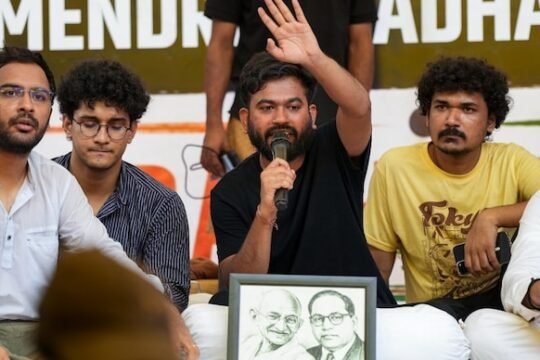
New Delhi, October 14, 2026 – In a dramatic escalation of the ongoing political confrontation in the national capital, three prominent leaders of the Cockroach Janta Party (CJP) were arrested early Tuesday following an alleged breach at Jantar Mantar. Saurav Das, Ashutosh Ranka and Ajinkya Shinde face charges of trespassing, violation of prohibitory orders, breach of a peace bond and obstructing public servants. The CJP has termed the action high-handed, while Delhi Police insists the arrests were purely preventive.
The incident occurred against the backdrop of a sustained cjp protest campaign demanding the resignation of Chief Election Commissioner Gyanesh Kumar over alleged irregularities in the Special Intensive Revision (SIR) of electoral rolls. Just a day earlier, both Ranka and Das had signed a one-year bond to maintain peace after being detained during a previous demonstration. Their return to Jantar Mantar and subsequent detention have intensified the political temperature in Delhi.
According to Ratna Singh, the legal affairs head of the Cockroach Janta Party, the three leaders were taken into custody at Parliament Street Police Station. “Delhi Police arrests Saurav Das, Ashutosh Ranka, and Ajinkya Shinde at Parliament Street Police Station in today’s Jantar Mantar case. Trespass, bond violation, obstruction of public official’s duty, etc.,” she posted on X. Singh further stated that the leaders would be produced before the SCM Court in the morning and raised the possibility of judicial custody in Tihar Jail. She also alleged that the trio was not allowed to meet their lawyers until late at night and was brought to the police station at 3 a.m. in a private van.
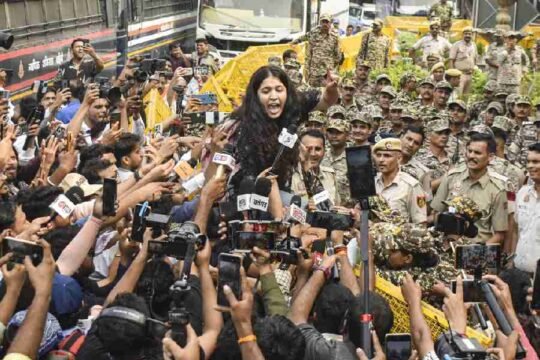
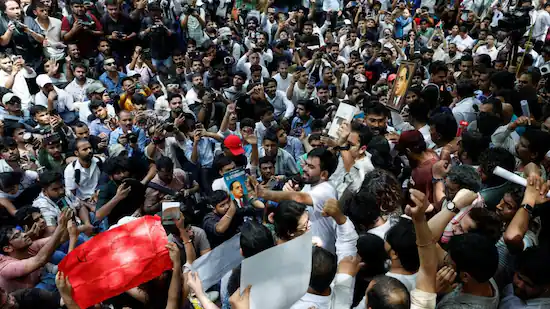
Delhi Police sources, however, presented a different picture. Officials maintained that the three were placed under preventive arrest for allegedly entering the Jantar Mantar area without authorisation. Early on Tuesday, Das, Ranka and Shinde were detained after they reportedly breached barricades and entered the protest site, which had recently been denotified as a designated venue for demonstrations. Once inside, they raised slogans demanding the resignation of the Chief Election Commissioner.
A formal case has been registered against them. The charges include trespassing, violation of prohibitory orders, breach of the peace bond they had signed only days earlier, and obstructing a public servant in the discharge of official duties. The swift action comes as the national capital remains under heavy security following a series of protests by the CJP and other organisations against the electoral revision process.
The denotification of Jantar Mantar itself forms a critical part of the dispute. On October 11, Delhi Police Commissioner Anurag Kumar issued an order designating Ramlila Maidan, Burari Ground and CBD Ground as the official venues for protests and demonstrations. Consequently, Jantar Mantar lost its long-standing status as the central hub for public dissent in the capital. The CJP has strongly criticised the move, arguing that relocating demonstrations away from the political heart of the city would dilute the visibility and impact of public dissent. The party maintains that the right to protest near the centres of power is fundamental to democratic expression.
This latest chapter in the cjp protest is not an isolated event. The group has been organising continuous demonstrations against what it describes as irregularities in the Special Intensive Revision of electoral rolls. Supporters claim the process risks disenfranchising large sections of voters and lacks transparency. The demand for CEC Gyanesh Kumar’s resignation has become a rallying cry at these gatherings. The authorities, on the other hand, have cited the need to maintain public order and manage traffic and security in the sensitive areas surrounding Parliament and key government buildings.
The arrests also coincide with legal challenges to the government’s protest restrictions. The Supreme Court had been scheduled to hear related petitions, but the matter was deferred to October 15 after a judge fell ill. The timing has added another layer of tension, with civil liberties groups watching closely to see how the courts balance the right to peaceful assembly with the state’s responsibility to maintain law and order.
Legal experts note that the fact that two of the leaders had signed a peace bond only days earlier strengthens the police case on the charge of bond violation. At the same time, the CJP’s allegation that the leaders were denied access to lawyers and transported in a private vehicle late at night raises questions about procedural fairness. The party has indicated it will vigorously contest the arrests and seek immediate bail when the three are produced before the court.
Political observers say the cjp protest has managed to keep the issue of electoral rolls in the public discourse despite the restrictions on demonstration sites. By repeatedly attempting to gather at Jantar Mantar, the party is testing the limits of the new prohibitory regime. Whether this strategy yields greater public support or invites further legal consequences remains to be seen.
For ordinary citizens in Delhi, the repeated protests and police responses have translated into heightened security measures, traffic diversions and a visible police presence around key landmarks. The shift of protest venues to Ramlila Maidan, Burari and CBD Ground is intended to decongest the central areas, but critics argue it reduces the symbolic power of dissent. The CJP continues to insist that true democratic accountability requires the ability to protest within sight of the institutions being challenged.
As the three leaders prepare to appear before the court, both sides are digging in. The police emphasise that the arrests were preventive and aimed at stopping unauthorised entry into a restricted zone. The Cockroach Janta Party frames the episode as an attempt to silence legitimate political opposition on a matter of electoral integrity. The coming days will determine whether the leaders remain in judicial custody or secure release, and whether the broader cjp protest campaign gains momentum or faces further constraints.
The developments at Jantar Mantar on Tuesday underscore the fragile balance between the right to protest and the enforcement of public order in the national capital. With the Supreme Court set to examine related issues on October 15, the legal and political dimensions of the dispute are likely to intensify. For now, Saurav Das, Ashutosh Ranka and Ajinkya Shinde stand at the centre of a confrontation that has already reshaped the geography of protest in Delhi and shows no sign of quietening down.
In the larger picture, the cjp protest has become a test case for how successive administrations and law-enforcement agencies handle organised dissent on electoral questions. The outcome of these arrests, the handling of the court proceedings, and the public response will influence not only the immediate fate of the three leaders but also the future contours of political mobilisation in the capital.