Kati Bihu 2026: Ultimate Guide to Assam’s Sacred Festival of Lamps, Hope & Harvest Protection
Guwahati, 17 October 2026: As golden autumn light softens over the Brahmaputra Valley, Assam prepares for one of its most profound yet understated celebrations. Kati Bihu, also known as Kongali Bihu, arrives on Sunday, 18 October 2026. In a season when granaries stand nearly empty and young paddy still sways green in the fields, this quiet festival of lamps, faith and agricultural hope stands in sharp contrast to the exuberant Rongali Bihu of spring and the feasting Magh Bihu of winter.
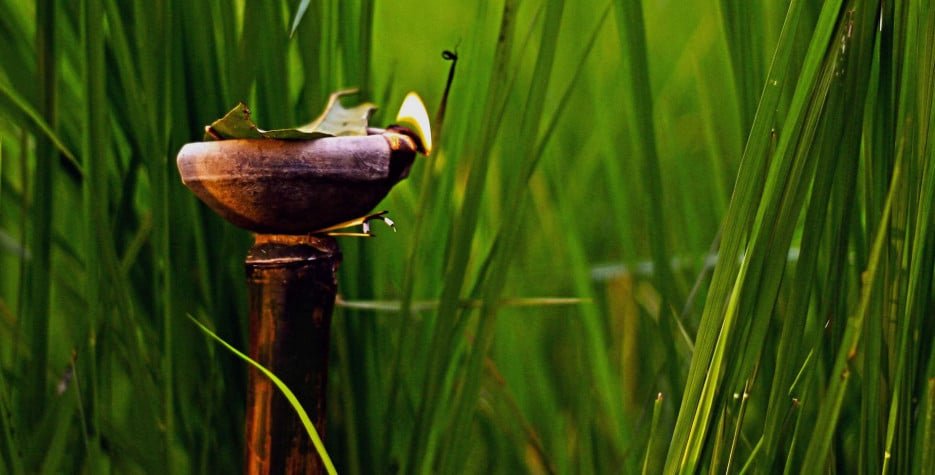
Unlike the dancing, music and community feasts that define the other two Bihus, Kati Bihu is marked by stillness, prayer and quiet determination. It is the Bihu of scarcity — “Kongali” literally means poor or wanting — yet far from despair, the day radiates spiritual resilience. Families across Assam will light small earthen lamps at dusk, place them at the foot of the sacred tulsi plant, in granaries and in the middle of paddy fields, praying for the protection and healthy growth of the standing crop.
The Agricultural Heart of Kati Bihu
Kati Bihu marks the beginning of the Assamese month of Kati (Kartik). It coincides with Kati Sankranti, when the sun enters the zodiac sign of Libra. This timing places the festival precisely in the leanest stretch of the farming calendar. The previous season’s rice has largely been consumed, while the new crop is still months away from harvest. Farmers therefore gather not to celebrate abundance already gained, but to seek divine protection for the fragile plants that represent next year’s food security.
The three Bihus of Assam together form a complete agricultural calendar. Rongali or Bohag Bihu in mid-April celebrates the Assamese New Year and the sowing season with seven days of dance, cattle worship and open-air festivities. Magh or Bhogali Bihu in mid-January marks the successful harvest with community dinners, tall meji bonfires and overflowing granaries. Kati Bihu sits in the middle — the period of waiting, patience and faith. It reminds every Assamese household that prosperity is never taken for granted; it must be nurtured through labour, restraint and prayer.
In upper Assam districts such as Jorhat, Sivasagar and Dibrugarh, where wet-rice farming still shapes daily life, the traditional rituals will be observed with particular care. In lower Assam and urban centres like Guwahati, families adapt the practices to smaller courtyards and apartment balconies while preserving the core elements of tulsi worship and lamp lighting.
Sacred Rituals That Define Kongali Bihu
The heart of Kati Bihu lies in simple, deeply symbolic acts performed at dusk. There is no music, no public gathering and no elaborate feast. Instead, the evening is filled with the soft glow of mustard-oil lamps and quiet prayers.
First comes the cleaning and preparation of the tulsi plant. In almost every traditional Assamese courtyard stands a small raised earthen platform called the tulsi bheti or tulsi thapana. On the morning of Kati Bihu the platform is swept, the plant is watered, and fresh cow-dung paste is sometimes applied as a mark of purity. A piece of clean cloth may be tied around the plant. At dusk a small earthen lamp, known as a saki, is lit at its base. The tulsi is revered as a manifestation of Goddess Lakshmi, the deity of prosperity and the guardian of the crop. Families offer prayers for the well-being of the household, the livestock and the ripening paddy.
Lamps are then carried to other key places. Saki are placed inside the bharal or granary so that light rests over the empty stores, symbolising the hope that they will soon be full again. More lamps are taken into the paddy fields themselves. The most distinctive practice is the raising of the akash banti — the “sky lamp.” A lamp is fixed at the top of a tall bamboo pole and stood in the field or courtyard. Traditionally these elevated lights were believed to guide the spirits of ancestors home and to draw nocturnal insects away from the young grain. In practical terms, the light helps keep pests at bay while the soft glow across the landscape creates a deeply moving visual of collective hope.
Some farmers also perform traditional protective rites. They may whirl a piece of bamboo while reciting rowa-khowa chants and spells intended to ward off the evil eye and crop-destroying pests. Cattle are sometimes given special attention and fed simple rice preparations. In many homes the sky lamp is relit each evening throughout the month of Kati, keeping the prayer alive until the rice begins to ripen.
Why the Festival Matters Beyond the Fields
Kati Bihu is more than an agricultural observance. It embodies the Assamese values of patience, humility and connection to nature. In an age of rapid urbanisation and changing livelihoods, the festival continues to remind people of their roots in the land. Even families who no longer farm observe the rituals, lighting a lamp under a balcony tulsi plant or placing a small diya near a potted plant as a symbolic act of continuity.
The festival also carries a quiet message of environmental awareness. The lighting of lamps in fields historically served a dual purpose — spiritual and practical pest control. Today it encourages reflection on sustainable farming, the protection of soil and water, and the need to safeguard traditional knowledge in the face of climate uncertainty.
For Assamese communities living outside the state — in other parts of India or abroad — Kati Bihu remains an important cultural anchor. Many organise simple gatherings, light lamps together and share stories of the festival with younger generations who may never have seen a paddy field at dusk.
How Assam Will Observe the Day in 2026
On the evening of 18 October, villages across the Brahmaputra valley will glow with thousands of tiny flames. In rural homes the courtyard will become a quiet sanctuary as family members gather around the tulsi plant. In towns, the same spirit will be adapted to limited space. Schools and offices in Assam often grant a holiday or half-day around the festival, allowing families time for the evening rituals. The period also overlaps with other autumn celebrations, including aspects of Durga Puja in some areas, creating a rich tapestry of seasonal observances.
There will be no large public events, no stage performances and no commercial fanfare. That absence is itself the point. Kati Bihu asks people to pause, to look at the growing crop, to remember the lean times of the past and to express quiet gratitude for the promise of the future.
The Enduring Light of Hope
As the lamps of Kati Bihu flicker across Assam this weekend, they will carry a message that transcends the agricultural calendar. In a world often dominated by noise and excess, the festival offers a powerful reminder of the strength found in simplicity, the dignity of waiting, and the quiet power of collective hope. Whether placed at the foot of a tulsi plant, raised high on a bamboo pole, or set carefully beside a city balcony railing, each small flame speaks of faith that the empty granary will fill again and that the green fields will turn golden in their time.
Kati Bihu 2026 will once again light up the Assamese landscape not with spectacle, but with sincerity. And in that soft glow lies one of the most enduring and beautiful expressions of Assam’s cultural soul.