Zubeen Garg First Death Anniversary 2026: Assam Weeps, Demands Justice at Zubeen Divas
Guwahati, September 19, 2026 – One year after the sudden and tragic death of Assam’s beloved cultural icon Zubeen Garg, the state remains gripped by a powerful mix of grief, remembrance, and an unyielding demand for justice. Today marks the first death anniversary of the singer, composer, and actor who drowned in Singapore on September 19, 2025, during a yacht outing near Lazarus Island. Across Assam, especially at the newly established Zubeen Kshetra memorial in Sonapur on the outskirts of Guwahati, thousands of fans, family members, artists, and ordinary citizens have gathered for the three-day “Zubeen Divas” programme to honour the man known as “Pranor Silpi” – the artist of the soul.
The atmosphere at Zubeen Kshetra has been deeply emotional since the programme began on September 17. Visitors arrive carrying flowers, hand-woven gamosas embroidered with lyrics from Zubeen’s songs, and portraits painted by local artists. One woman from Sivasagar, Beauty Gogoi, spent an entire night weaving a special gamosa featuring the words of his song “Moi Nothakar Onubhav” and presented it at the memorial. Others break into spontaneous singing of his evergreen hits, turning the site into a living tribute filled with music and tears.
Zubeen’s wife, Garima Saikia Garg, has been a constant presence. Speaking to the media, she shared a poignant personal ritual: “I speak to him every day. Whenever I feel anxious or want to tell him something or ask for his advice, I come here.” Her words captured the enduring bond millions still feel with the singer who recorded more than 38,000 songs across over 40 languages and dialects during a career spanning more than three decades.
The Assam government, through the Directorate of Cultural Affairs and in collaboration with the Kalaguru Artists Foundation and Zubeen Garg Fan Club, has organised a carefully planned three-day event. Multi-faith prayers, naam-prasanga, cultural performances, Bhagawat Path, and a traditional Bhaona form the core of the commemorations. On the second day, artists from different parts of the state performed, while schoolchildren in Guwahati recreated scenes from films like Mon Jaai, Kanchanjangha, and Roi Roi Binale. Even national figures such as singer-composer Salim Merchant visited Zubeen’s residence and studio, paying tribute and describing the experience as deeply emotional.
Yet beneath the outpouring of love lies a sharp undercurrent of unresolved pain. Singapore authorities, including a coroner’s court in March 2026, ruled the death an accidental drowning with no evidence of foul play. Toxicology reports indicated a high blood alcohol concentration. The Singapore Police Force closed its investigation. In Assam, however, the narrative is very different. A Special Investigation Team of the Assam Police CID filed a chargesheet naming seven accused, including festival organiser Shyamkanu Mahanta, Zubeen’s manager Siddharth Sharma, bandmates Shekhar Jyoti Goswami and Amritprabha Mahanta, cousin Sandipan Garg, and two personal security officers. Charges include murder, culpable homicide, conspiracy, and financial irregularities.
A fast-track court in Guwahati continues to hear the case. Bail applications have been repeatedly rejected or deferred. The Supreme Court has also intervened in related matters. Family members and fans repeatedly voice the same demand: “Amak nyay lagiboi” – we want justice. Last year, more than 1.5 million people joined the final journey of Zubeen’s body to the Kamarkuchi area, creating one of the largest public mournings in Assam’s recent history. That collective grief has not faded; it has transformed into a sustained call for accountability.
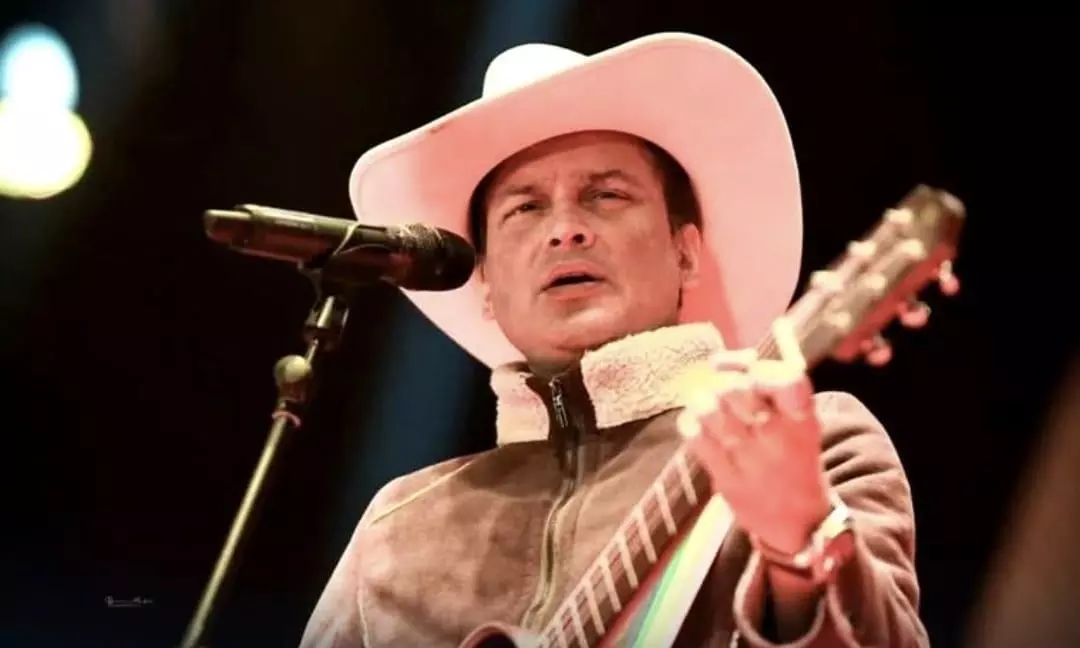
Zubeen Garg’s life story itself remains extraordinary. Born Zubeen Borthakur on November 18, 1972, in Tura, Meghalaya, to poet and magistrate Mohini Mohon Borthakur and singer Ily Borthakur, he was named after the legendary conductor Zubin Mehta. He rose to fame with his 1992 debut album Anamika and went on to become Assam’s highest-paid and most prolific singer. His national breakthrough came with the 2006 Bollywood hit “Ya Ali” from the film Gangster, which earned him the Global Indian Film Award for Best Playback Singer. Yet he never abandoned his roots. He continued to compose, act, and direct in Assamese cinema, mastering more than a dozen instruments and singing in languages ranging from Assamese, Hindi, and Bengali to tribal dialects of the Northeast.
His legacy extends beyond numbers. He was a multi-instrumentalist, a philanthropist, and a cultural bridge who made Assamese music feel contemporary and proud on the national stage. Even after his death, his influence continues: a Census 2027 theme song featuring his voice was launched, researchers studied the science of his distinctive humming, and blood donation drives across districts have been organised in his honour.
As the three-day Zubeen Divas concludes today with prayers and traditional performances, Assam stands at a crossroads of memory and justice. The memorial at Zubeen Kshetra has already become a sacred space where people of all communities gather. The music still plays. The songs still heal. But the questions surrounding the circumstances of his death in Singapore refuse to go away.
For the millions who called him “Zubeen Da,” the first anniversary is not only a day of tribute. It is a reminder that the voice of Assam may have fallen silent on that September day in 2025, but the demand for truth and justice grows louder with every passing year. The man who gave Assam more than 38,000 songs continues to inspire, even as his family, fans, and the state wait for answers that can finally bring closure.
In the words of one tearful admirer at the memorial: “Zubeen da will return and sing again.” Until then, Assam keeps singing his songs – and keeps asking for justice.