Dhanteras 2026: Ultimate Guide to Date, Puja Muhurat & Prosperity Rituals
Dhanteras 2026 marks the vibrant beginning of the five-day Diwali festivities, bringing hopes of wealth, health, and happiness to millions of households across India and the global Hindu community. Falling on Friday, November 6, 2026, this auspicious day known as Dhantrayodashi or Dhanvantari Trayodashi invites families to clean their homes, light diyas, perform special pujas, and purchase gold, silver, or new utensils as symbols of incoming prosperity.
In a world where financial stability and well-being remain top priorities, Dhanteras 2026 offers a powerful spiritual and cultural opportunity to invite abundance. This comprehensive news-style guide covers the exact date, city-wise puja muhurat, mythological significance, step-by-step rituals, shopping recommendations, dos and don’ts, and practical tips so that anyone searching for “Dhanteras 2026” or related terms finds complete, reliable information right here.
Dhanteras 2026 Date and Tithi Details
Dhanteras 2026 will be celebrated on Friday, November 6. According to the Hindu lunar calendar, it falls on the Trayodashi Tithi (thirteenth lunar day) of Krishna Paksha in the month of Kartik. The Trayodashi tithi begins at approximately 10:30 AM on November 6 and ends at 10:47 AM on November 7.
Because the critical evening period of Pradosh Kaal falls fully on November 6 while the tithi is still active, the festival is observed on the 6th rather than the 7th. This clarity ends any confusion that sometimes arises when the tithi spills into the next morning. Dhanteras opens the Diwali sequence: November 6 (Dhanteras), November 7 (Naraka Chaturdashi or Choti Diwali), November 8 (Lakshmi Puja / main Diwali), followed by Govardhan Puja and Bhai Dooj.
Exact Dhanteras 2026 Puja Muhurat
The most important window for Dhanteras puja is the evening Pradosh Kaal, ideally overlapping with Vrishabha (Taurus) lagna, considered a stable and auspicious ascendant for lasting prosperity.
For New Delhi, the widely accepted Dhanteras puja muhurat is from 6:02 PM to 7:57 PM on November 6, lasting about 1 hour 55–56 minutes. Pradosh Kaal runs roughly from 5:33 PM to 8:09 PM. Yama Deepdaan is performed in the evening twilight after sunset.
City-wise approximate puja timings (based on local sunset and lagna) include:
- Mumbai: around 6:35–6:36 PM to 8:34–8:35 PM
- Kolkata: 5:28–5:29 PM to 7:26 PM
- Chennai: 6:14–6:16 PM to 8:09–8:17 PM
- Bengaluru: 6:25–6:27 PM to 8:20–8:27 PM
- Hyderabad: 6:15–6:17 PM to 8:13–8:16 PM
- Ahmedabad: 6:30–6:31 PM to 8:28–8:29 PM
- Jaipur: 6:11 PM to 8:07–8:08 PM
- Pune: 6:32–6:33 PM to 8:31–8:33 PM
Always cross-check with a local panchang or trusted temple source because exact minutes can shift slightly by location. Performing the puja during this window maximizes the spiritual benefits associated with Goddess Lakshmi, Lord Kubera, and Lord Dhanvantari.
Significance of Dhanteras: Wealth, Health and Divine Blessings
The name “Dhanteras” combines “Dhan” (wealth) and “Teras” (thirteenth day). Yet the festival goes far beyond material gain. It simultaneously honors three key divine figures.
Lord Dhanvantari, the physician of the gods and originator of Ayurveda, is believed to have emerged from the cosmic Ocean of Milk (Samudra Manthan) on this day carrying a pot of amrita, the nectar of immortality. Worshipping him seeks good health, longevity, and freedom from disease—the true foundation of all prosperity. The Government of India recognizes Dhanvantari Jayanti as National Ayurveda Day, underscoring this health dimension.
Goddess Lakshmi, the embodiment of wealth, fortune, and abundance, and Lord Kubera, the divine treasurer and guardian of riches, are also worshipped. Together they represent the complete package of physical well-being and material security. Lighting lamps, especially the south-facing Yama Deepam outside the main entrance, is believed to ward off untimely misfortune and protect family members, linking the festival to Lord Yama as well.
In essence, Dhanteras teaches that true prosperity rests on the dual pillars of health and wealth, invited through devotion, cleanliness, and positive intention.
Traditional Rituals and Step-by-Step Puja Vidhi
Preparation begins days earlier with thorough cleaning of the home—a symbolic removal of negativity to welcome Goddess Lakshmi. On the day itself:
- Clean and decorate: Sweep, mop, and adorn entrances with rangoli, marigold flowers, and rice-flour footprints of Lakshmi. Hang torans and place diyas.
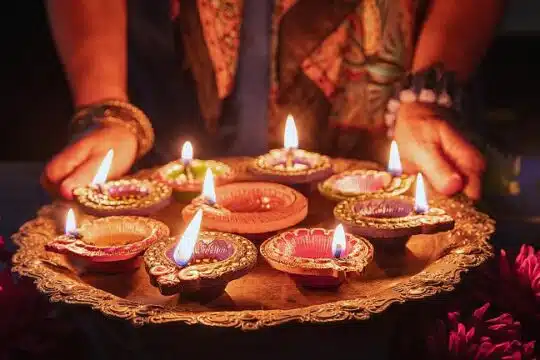
- Yama Deepdaan: After sunset, light an earthen diya filled with sesame or mustard oil and place it outside the main door facing south. This simple act seeks protection and long life.
- Set up the altar: Place idols or images of Lord Dhanvantari, Goddess Lakshmi, Lord Kubera, and Lord Ganesha on a clean chowki covered with a red or yellow cloth. Keep newly purchased items nearby.
- Offerings: Light a ghee lamp, incense, and offer flowers, fruits, sweets, coins, and the new purchases. Chant mantras dedicated to each deity.
- Family prayer: Sit together, recite aarti, and pray for health, prosperity, and harmony. Many families also perform a short Kubera or Lakshmi mantra japa.
The atmosphere is filled with the fragrance of incense, the glow of lamps, and a sense of shared hope. Children often participate by helping with rangoli or placing diyas, keeping traditions alive across generations.
What to Buy on Dhanteras 2026 – And What to Avoid
Buying something new is one of the most visible and joyful traditions of Dhanteras. Gold and silver jewellery, coins, or bars remain the most popular choices because they are considered lasting stores of value and auspicious symbols. Many families also buy silver or brass utensils, copper vessels, or even a new broom—the latter linked to cleanliness and the sweeping away of poverty.
Modern options include gold or silver coins, digital gold, or modest household items within budget. The emphasis is on intention rather than extravagance; even a small coin or steel utensil purchased with faith carries spiritual meaning.
Items often avoided by traditional households include iron objects, sharp tools in certain contexts, or anything associated with mourning or negativity. Some prefer not to buy leather goods or broken/used items. Always shop within your means—overspending contradicts the spirit of balanced prosperity that Dhanteras promotes.
Auspicious shopping can occur throughout the Trayodashi period, though many prefer daytime or specific chaughadiya slots listed in local panchangs. The evening puja muhurat itself is also considered favorable for final purchases.
Dos and Don’ts for a Meaningful Celebration
Dos:
- Clean the home thoroughly in advance.
- Light the Yama Deepam after sunset.
- Perform puja during the recommended muhurat if possible.
- Buy at least one new item, however modest.
- Involve the entire family and maintain a positive, grateful mindset.
- Offer prayers for both health (Dhanvantari) and wealth (Lakshmi-Kubera).
Don’ts:
- Do not leave the house dark or unclean.
- Avoid arguments, negative talk, or wasteful spending.
- Refrain from buying items associated with sadness or incompleteness.
- Do not ignore local timing variations—confirm with a reliable source.
Why Dhanteras 2026 Matters in Today’s World
In an era of economic uncertainty, health concerns, and fast-paced living, Dhanteras 2026 serves as a timely reminder to pause, cleanse, and realign priorities. The festival blends ancient wisdom with practical action: physical cleaning mirrors mental decluttering; purchasing gold or utensils encourages thoughtful investment; lighting lamps symbolizes the triumph of light over darkness.
For businesses, jewellery markets and utensil sellers see heightened activity. For families, it is a chance to teach children about gratitude, health consciousness through Ayurveda’s divine origin, and the value of shared rituals. Diaspora communities worldwide adapt the celebrations while preserving core elements, making Dhanteras a truly global yet deeply rooted Indian festival.
Looking Ahead to the Full Diwali Season
Dhanteras sets the tone for the days that follow. After the prosperity-focused rituals of November 6, Naraka Chaturdashi on the 7th focuses on purification, and the main Lakshmi Puja on November 8 brings the peak of light and devotion. By beginning with clear intention on Dhanteras, families create a foundation of positivity that carries through the entire festive period.
Whether you are performing a full traditional puja, simply lighting a diya, or making a modest purchase, the essence remains the same: invite health, welcome abundance, and express gratitude. Dhanteras 2026 on November 6 offers every household an opportunity to start the Diwali season with hope, discipline, and divine blessings.
Plan your muhurat, prepare your home, and step into the festival with an open heart. May Lord Dhanvantari grant robust health, Goddess Lakshmi bestow lasting prosperity, and Lord Kubera safeguard your resources this Dhanteras and beyond.