Rabindra Jayanti 2026: Celebrating the 165th Birth Anniversary of Rabindranath Tagore – Legacy, Quotes & Cultural Events
Rabindra Jayanti 2026: Honoring the Timeless Legacy of Gurudev Rabindranath Tagore on His 165th Birth Anniversary
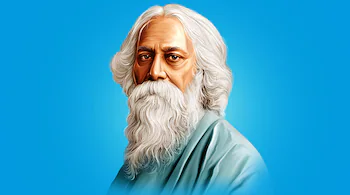
As India and the Bengali diaspora come together in cultural reverence, Rabindra Jayanti 2026 celebrates the 165th birth anniversary of one of the greatest literary figures in history — Rabindranath Tagore. Observed with immense enthusiasm, this occasion pays tribute to a polymath whose contributions to literature, music, art, education, and philosophy continue to inspire millions worldwide.
Rabindra Jayanti, also known as Rabindranath Tagore Jayanti, is more than a birthday commemoration. It is a vibrant festival of poetry, music, dance, and intellectual reflection that highlights the enduring relevance of Tagore’s humanistic vision in today’s world.
When is Rabindra Jayanti Celebrated in 2026?
In 2026, Rabindra Jayanti holds special significance with dual observances reflecting India’s cultural diversity:
- May 7, 2026 (Gregorian calendar): Widely celebrated across India as the official birth anniversary.
- May 9, 2026 (25th Boishakh in Bengali calendar): Grand celebrations in West Bengal, Bangladesh, and among Bengali communities, known as Poncheeshe Boishakh.
This dual celebration stems from Tagore’s birth on May 7, 1861, in the Gregorian calendar and the corresponding date in the Bengali lunar calendar. Schools, colleges, cultural institutions, and communities organize programs featuring Rabindra Sangeet, poetry recitations, dance dramas, and theatrical performances.
Who Was Rabindranath Tagore? A Complete Biography
Rabindranath Tagore was born on May 7, 1861, in Kolkata (then Calcutta) into a prominent Brahmin family. His father, Debendranath Tagore, was a revered philosopher and religious reformer, and his mother, Sarada Devi, passed away when he was young. Growing up in the culturally rich Jorasanko Thakurbari, young Rabindranath was exposed early to literature, music, and arts.
Tagore began writing poetry at a tender age. He briefly studied law in England but returned without completing his degree, choosing instead to immerse himself in creative pursuits. He reshaped Bengali literature and music while introducing contextual modernism to Indian art. Often called Gurudev, Kobiguru, or Biswakobi (Poet of the World), Tagore was a visionary who believed in the unity of humanity beyond borders.
In 1901, he founded Visva-Bharati University at Santiniketan, an experimental open-air school emphasizing holistic education in harmony with nature. This institution later became a central hub for Rabindra Jayanti celebrations and a UNESCO World Heritage Site.
Tagore’s literary output was staggering — over 50 volumes of poetry, novels, short stories, plays, essays, and more than 2,000 songs (Rabindra Sangeet). His painting career began later in life, producing thousands of works that showcased his artistic genius.
Historic Achievement: Nobel Prize and Global Recognition
In 1913, Rabindranath Tagore became the first non-European and first Asian to win the Nobel Prize in Literature for his iconic collection Gitanjali (Song Offerings). The English translation of these profoundly sensitive verses captivated the Western world, earning praise for their spiritual depth and lyrical beauty.
He was knighted by the British Crown in 1915 but renounced the title in 1919 as a protest against the Jallianwala Bagh massacre, demonstrating his strong nationalistic yet universal outlook. Tagore composed the national anthems of both India (Jana Gana Mana) and Bangladesh (Amar Shonar Bangla), a unique distinction.
Major Works of Rabindranath Tagore That Define His Legacy
Tagore’s literary repertoire spans multiple genres:
- Poetry: Gitanjali, Manasi, Sonar Tari, Chitra, Naivedya
- Novels: Gora, Ghare-Baire (The Home and the World), Chokher Bali
- Short Stories: Over 200, including classics like Kabuliwala and Postmaster
- Plays: Raktakarabi, Dakghar, Chandalika
- Songs: Gitabitan — a vast collection of Rabindra Sangeet
His works explore themes of love, nature, spirituality, nationalism, and humanism. Gitanjali remains his most celebrated work, blending devotional and philosophical elements.
Timeless Quotes by Rabindranath Tagore
Tagore’s words continue to resonate deeply. Here are some of his most inspiring quotes often shared during Rabindra Jayanti:
- “Clouds come floating into my life, no longer to carry rain or usher storm, but to add color to my sunset sky.”
- “If you cry because the sun has gone out of your life, your tears will prevent you from seeing the stars.”
- “I slept and dreamt that life was joy. I awoke and saw that life was service. I acted and behold, service was joy.”
- “Let me not pray to be sheltered from dangers, but to be fearless in facing them.”
- “Faith is the bird that feels the light and sings when the dawn is still dark.”
These quotes are frequently recited in schools and cultural programs, emphasizing hope, resilience, and service.
How Rabindra Jayanti 2026 is Being Celebrated
Celebrations during Rabindra Jayanti 2026 are grand and multifaceted:
- Santiniketan & Kolkata: Cultural programs at Visva-Bharati, Jorasanko Thakurbari, and Rabindra Sadan feature dance dramas like Chitrangada and Shapmochan, Rabindra Sangeet performances, and poetry recitals.
- Schools & Colleges: Students organize processions, enact plays, sing songs, and participate in art competitions.
- Cultural Institutions: Seminars, exhibitions of Tagore’s paintings, and discussions on his philosophy.
- Global Events: Indian embassies and Bengali associations worldwide host virtual and physical tributes.
The atmosphere is filled with the soulful melodies of Rabindra Sangeet, reflecting Tagore’s belief in the power of art to unite people.
Tagore’s Philosophy and Relevance Today
Tagore was a strong advocate of universal humanism. He envisioned a world where education nurtures creativity rather than rote learning. His critique of nationalism without humanism remains pertinent amid global conflicts.
In an era of environmental challenges, his deep connection with nature in poems and songs offers valuable lessons. His emphasis on harmony between East and West promotes cultural exchange in our globalized world.
The Enduring Impact on Indian Culture and Education
Tagore profoundly influenced modern Bengali literature and music. Rabindra Sangeet is a distinct genre that continues to evolve while preserving its essence. Visva-Bharati stands as a living testament to his educational ideals, attracting students from across the globe.
His writings played a subtle yet significant role in India’s freedom struggle, inspiring leaders like Mahatma Gandhi, with whom he shared a deep friendship.
Conclusion: Why Rabindra Jayanti Matters in 2026 and Beyond
On Rabindra Jayanti 2026, as we celebrate the 165th birth anniversary of this literary titan, we recommit to the values he championed — creativity, compassion, unity in diversity, and fearless pursuit of truth.
Whether through the soul-stirring strains of Jana Gana Mana, the profound verses of Gitanjali, or the simple joy of his nature poems, Rabindranath Tagore’s voice remains alive, guiding generations toward a more enlightened world.
Let this Rabindra Jayanti inspire us to read his works, sing his songs, and live by his ideals. As Gurudev himself wrote, “The butterfly counts not months but moments, and has time enough.” May we too live fully in every moment, enriched by his timeless wisdom.