Hantavirus Outbreak on MV Hondius Cruise Ship: 3 Dead, 2 Indian Crew Members Among 149 Stranded in Atlantic – Latest Updates 2026
Hantavirus Outbreak on MV Hondius: Deadly Virus Strikes Luxury Expedition Cruise in the Atlantic
A rare and highly lethal hantavirus outbreak has turned a dream Antarctic expedition cruise into a floating health crisis. The Dutch-operated MV Hondius, carrying nearly 150 passengers and crew from multiple countries, is now at the center of international concern after three deaths and several confirmed or suspected infections linked to the Andes strain of hantavirus.
This hantavirus outbreak on MV Hondius has captured global attention due to the virus’s severity, potential for limited human-to-human transmission, and the ship’s remote location in the Atlantic Ocean. Health authorities, including the World Health Organization (WHO), are closely monitoring the situation as the vessel heads toward Spain’s Canary Islands.
Two Indian nationals serving as crew members remain aboard the ship amid the crisis. Their presence has added a personal dimension for many in India following developments in this hantavirus cruise ship incident.
What Happened on the MV Hondius? Timeline of the Hantavirus Outbreak
The MV Hondius, an ice-breaking expedition vessel operated by Oceanwide Expeditions, departed from Ushuaia, Argentina, on April 1, 2026. It was on a multi-week polar and South Atlantic itinerary, visiting remote wildlife areas in Antarctica and various isolated islands.
The first symptoms appeared around April 6, with a Dutch passenger falling ill. He died on April 11. His wife, who shared a cabin with him, later died after disembarking at St. Helena on April 24. A third passenger, reported as a German national, also succumbed to the illness.
As of the latest updates, the WHO reports eight cases linked to the ship: three confirmed and five suspected hantavirus infections. Four passengers have been medically evacuated for treatment. The ship, with around 146-149 people still aboard from over 20 countries, was anchored off Cape Verde before proceeding toward the Canary Islands, expected around May 10.
Nationalities on board included significant numbers from the Philippines (crew), UK, US, Netherlands, Spain, Germany, Canada, and two crew members from India, among others from 23-28 countries total.
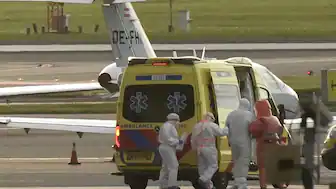
Passengers and crew are under strict isolation and precautionary measures. The ship features deserted decks in footage, with medical teams in protective gear visible.
Understanding Hantavirus: The Andes Strain and Why It’s So Dangerous
Hantavirus refers to a group of viruses typically carried by rodents. Humans usually contract it by inhaling aerosolized particles from rodent urine, droppings, or saliva. Most strains do not spread person-to-person, but the Andes strain—implicated in this MV Hondius hantavirus outbreak—is different. It is one of the rarest and most lethal, with documented cases of human-to-human transmission through very close contact.
The Andes hantavirus has a high mortality rate, often causing hantavirus pulmonary syndrome (HPS), which leads to severe respiratory distress. Symptoms typically appear 2-4 weeks after exposure (sometimes longer), including fever, headache, muscle aches, abdominal pain, and later, coughing and shortness of breath as the lungs fill with fluid.
Dr. Maria Van Kerkhove from the WHO has emphasized: “This is not Covid, this is not influenza, it spreads very, very differently.” Global risk remains low, but vigilance is high for contacts, including those who flew home to the UK, South Africa, Netherlands, US, Switzerland, and other countries.
Unlike common respiratory viruses, hantavirus requires specific exposure to infected rodents or close contact in rare cases. Investigators suspect the index case(s) may have encountered the virus in Argentina—possibly during a bird-watching trip near a landfill with rodents—before boarding or early in the voyage. Some onboard spread via close contact is also under investigation.
Impact on Passengers and Crew: The Human Story, Including Indian Nationals
Life aboard the stranded MV Hondius has been described as calm but tense, with passengers in isolation protocols. One American travel vlogger shared experiences of the dream voyage turning into a nightmare. Crew members, including the large Filipino contingent and the two Indians, continue essential operations under pressure.
The two Indian crew members’ status has not been publicly detailed as symptomatic, but all aboard are being monitored. This has sparked concern in India, with reports highlighting the need for updates from authorities. Crew from various nations, including the Philippines (38 members), face prolonged uncertainty as the ship sails under precautions.
Dozens of passengers who disembarked earlier, such as at St. Helena, are being traced and monitored. Health officials in multiple countries are testing contacts and advising quarantine where necessary, with symptoms possibly emerging weeks later.
Response by Health Authorities and the Cruise Operator
Oceanwide Expeditions has issued regular updates, including a detailed timeline. The company is cooperating with WHO, national health bodies, and governments. Strict measures include masking, hygiene protocols, and isolation.
The WHO is actively involved, with contact tracing for over 80 individuals who left the ship. Spain is preparing to handle the vessel’s arrival in the Canary Islands for further investigation and disinfection. Cape Verde previously restricted docking for safety.
Evacuations have occurred via medical flights, with some patients transferred to the Netherlands. A British man was among recent evacuees.
Experts note this could influence future cruise screening, especially for expeditions to remote areas with potential rodent exposure.
Symptoms, Prevention, and What to Know About Hantavirus
Key hantavirus symptoms to watch for:
- Early: Fever, chills, muscle aches, headache, dizziness, fatigue, abdominal issues.
- Later: Cough, shortness of breath, fluid in lungs (HPS).
No specific antiviral treatment exists; care is supportive, often in ICU. Prevention focuses on avoiding rodent habitats, proper cleaning, and masks in high-risk settings. For the Andes strain, close contact precautions are critical.
This outbreak highlights risks in adventure travel to pristine but wildlife-rich areas. Rodent populations in parts of South America can carry the virus.
Global Risk and Comparisons to Other Outbreaks
WHO officials stress the global risk of hantavirus from this event remains low. Unlike COVID-19 or flu, it does not transmit easily through casual contact or aerosols over distance. No widespread community transmission has been reported outside the ship.
However, the high lethality and incubation period mean monitoring will continue for weeks. Authorities in affected countries are on alert for any secondary cases.
SEO Context: Why This Hantavirus Cruise Ship Story Matters
Searches for “hantavirus outbreak“, “MV Hondius“, and related terms are surging. This incident combines rare disease fears, cruise industry implications, international travel, and human interest (including the Indian crew angle). Expedition cruises to polar regions have grown in popularity, making safety and health protocols a key discussion point.
The story also raises questions about pre-boarding screenings, rodent control on ships, and rapid response in remote maritime environments.
Latest Developments and What to Expect Next
As the MV Hondius approaches the Canary Islands, focus shifts to disembarkation, full testing, and ship sanitization. Passengers and crew may face extended quarantine or monitoring periods of up to 8 weeks in some recommendations due to incubation.
Investigations continue into the exact source—likely rodent exposure in Argentina—and any chains of transmission onboard. Genetic sequencing of the virus will clarify the strain and transmissibility.
For the two Indian crew members and others, safe return home remains the priority. Families and diplomatic channels are engaged.
This hantavirus outbreak on the MV Hondius serves as a reminder of nature’s unpredictability even in modern luxury travel. While contained so far, it underscores the importance of preparedness in global health.
Stay tuned for updates on this evolving story. Follow reliable sources like WHO, national health ministries, and Oceanwide Expeditions for the latest on the hantavirus cruise ship situation.