PM Modi Calls for Massive Har Ghar Tiranga Participation to Build Viksit Bharat
Prime Minister Narendra Modi has called upon every Indian citizen to take part with full enthusiasm in the Har Ghar Tiranga campaign, describing the national flag as the country’s pride and a constant source of inspiration to give one’s best for the nation. In a message posted on X, the Prime Minister said the Tricolour continues to motivate Indians to contribute towards building a Viksit Bharat. The 2026 edition of Har Ghar Tiranga was launched on August 6 and is being observed across the country from August 9 to 17.
The Har Ghar Tiranga campaign first began in 2022 as part of the Azadi Ka Amrit Mahotsav celebrations marking 75 years of Independence. What started as a special initiative has now become an annual national tradition. Every year, crores of citizens voluntarily hoist the national flag at their homes, workplaces, schools and public places in the days leading up to and around Independence Day. The campaign has grown into one of India’s largest public participation movements, uniting people across regions, languages and communities under the single symbol of the Tiranga.
This year’s Har Ghar Tiranga holds special significance. The Prime Minister expressed happiness that the 2026 efforts are dedicated to the national song Vande Mataram at a time when the nation is marking its 150th anniversary. The song, which has inspired generations of freedom fighters and continues to evoke deep patriotic feelings, provides a powerful theme for the campaign. By linking Har Ghar Tiranga with the sesquicentennial of Vande Mataram, the government has given citizens an additional reason to connect personally with the spirit of the freedom struggle and the idea of national unity.
The campaign is simple yet deeply meaningful. Citizens are encouraged to hoist the national flag at their homes during the designated period and to participate in a range of activities that celebrate patriotism and national unity. Schools organise special assemblies, housing societies hold flag-hoisting ceremonies, and local administrations facilitate the distribution of flags so that every household can take part. Social media is filled with photographs and videos of families standing under the Tiranga, children saluting the flag, and communities coming together in collective pride.
Prime Minister Modi’s appeal carries particular weight because it comes from the highest office and is framed in the language of collective responsibility. He described the Tricolour not merely as a piece of cloth but as a living source of inspiration. Every time an Indian looks at the saffron, white and green with the Ashoka Chakra, the flag reminds them of the sacrifices made for freedom and the unfinished task of building a developed nation. The call to renew the collective resolve to contribute towards Viksit Bharat places the Har Ghar Tiranga campaign within the larger national vision of progress, self-reliance and inclusive growth.
The evolution of Har Ghar Tiranga from a one-time celebration into an annual tradition shows how a simple idea can take root in the public imagination. In 2022, the campaign generated unprecedented enthusiasm. People who had never before hoisted the national flag at home did so for the first time. The practice continued in subsequent years, and by 2026 it has become a familiar and much-awaited part of the Independence Day calendar. The continuity itself is a measure of success. When citizens voluntarily keep a tradition alive year after year, it ceases to be a government programme and becomes a people’s movement.
The dedication of the 2026 edition to Vande Mataram adds emotional depth. Written by Bankim Chandra Chatterjee and first published in 1875, the song became the rallying cry of the freedom movement. Its 150th anniversary offers a moment to revisit the ideas of motherland, sacrifice and unity that it embodies. By aligning Har Ghar Tiranga with this milestone, the campaign invites citizens not only to display the flag but also to reflect on the values that the flag and the song together represent.
Participation in Har Ghar Tiranga is open to every Indian, regardless of age, profession or location. Families can hoist the flag together in the morning, take photographs, and share them online with the campaign hashtag. Educational institutions can organise essay competitions, quiz programmes and cultural events centred on the national flag and Vande Mataram. Resident welfare associations can plan neighbourhood flag-hoisting ceremonies. Even individuals living alone can display the Tiranga at their windows or balconies and feel part of a nationwide wave of pride.
The campaign also serves as a gentle reminder of the proper respect due to the national flag. Citizens are encouraged to follow the Flag Code of India, ensure the flag is clean and undamaged, and hoist it with dignity. Many local administrations and voluntary organisations have set up distribution points so that good-quality flags are easily available. The emphasis remains on voluntary and heartfelt participation rather than compulsion.
In his message, the Prime Minister linked the act of hoisting the flag with the larger national goal of Viksit Bharat. The idea is that every small act of patriotism strengthens the collective resolve needed for national progress. When millions of homes display the Tiranga at the same time, the visual impact itself becomes a powerful statement of unity. It tells the world that India’s diversity is held together by a shared commitment to the nation and its future.
The timing of the campaign, running from August 9 to 17, allows citizens to keep the flag flying through Independence Day on August 15 and beyond. This extended window gives families flexibility and ensures that the spirit of the occasion is not limited to a single day. It also creates opportunities for continuous engagement—flag-hoisting in the morning, discussions about the freedom struggle in the evening, and social media sharing throughout the period.
Observers note that Har Ghar Tiranga has succeeded because it is inclusive and non-partisan. People from all political backgrounds, regions and communities have taken part. The campaign does not require any special resources beyond a national flag and a sense of belonging. That accessibility has helped it reach remote villages as well as metropolitan cities. In many rural areas, the sight of the Tiranga fluttering from thatched roofs and community centres has become a common and uplifting sight during mid-August.
The Prime Minister’s latest appeal is expected to further boost participation in 2026. Coming at a time when the nation is also reflecting on 150 years of Vande Mataram, the message carries both emotional and motivational force. It asks citizens not only to hoist the flag but to renew their personal commitment to the country’s progress. In doing so, it turns a symbolic act into a meaningful contribution towards the shared goal of a developed India.
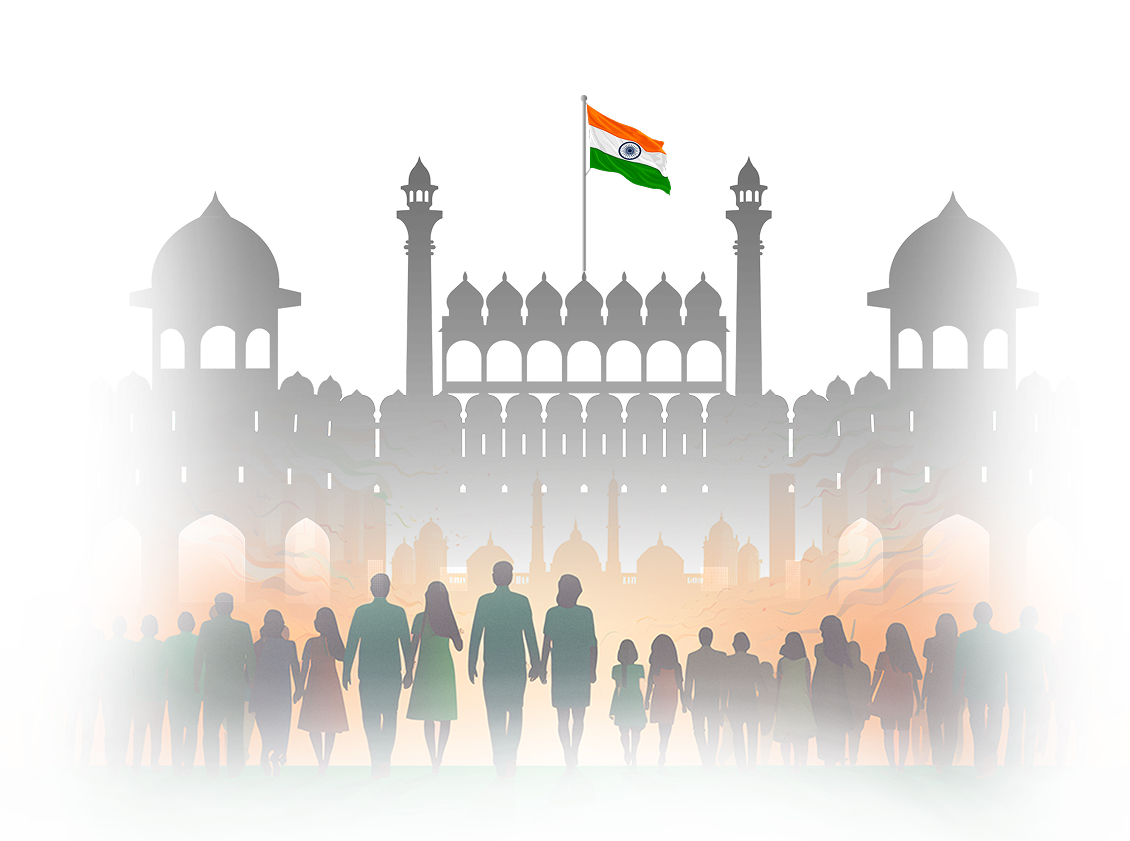
As the Har Ghar Tiranga campaign unfolds this year, the streets, balconies and rooftops of India will once again turn into a sea of saffron, white and green. The sight will reaffirm that the national flag continues to inspire, unite and motivate. Prime Minister Modi’s call is clear: let every home proudly display the Tiranga, let every citizen feel the pride it represents, and let the collective resolve to build Viksit Bharat grow stronger with every flag that is hoisted.
The 2026 edition of Har Ghar Tiranga is more than a campaign. It is a living expression of national sentiment, a bridge between the freedom struggle of the past and the development aspirations of the present, and an invitation to every Indian to stand under the same flag and move forward together.