Indian Passport Not Proof of Citizenship: MEA Statement Sparks Massive Controversy in 2026
MEA Shock: Indian Passport Not Citizenship Proof – What This 2026 Controversy Means for Every Indian
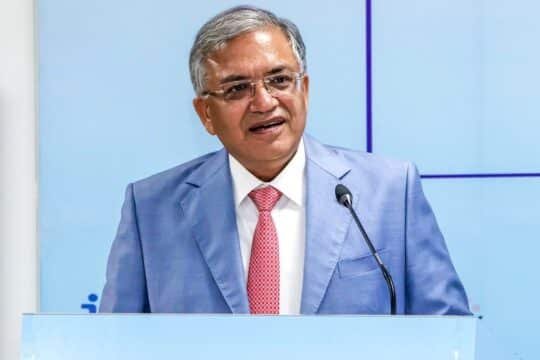
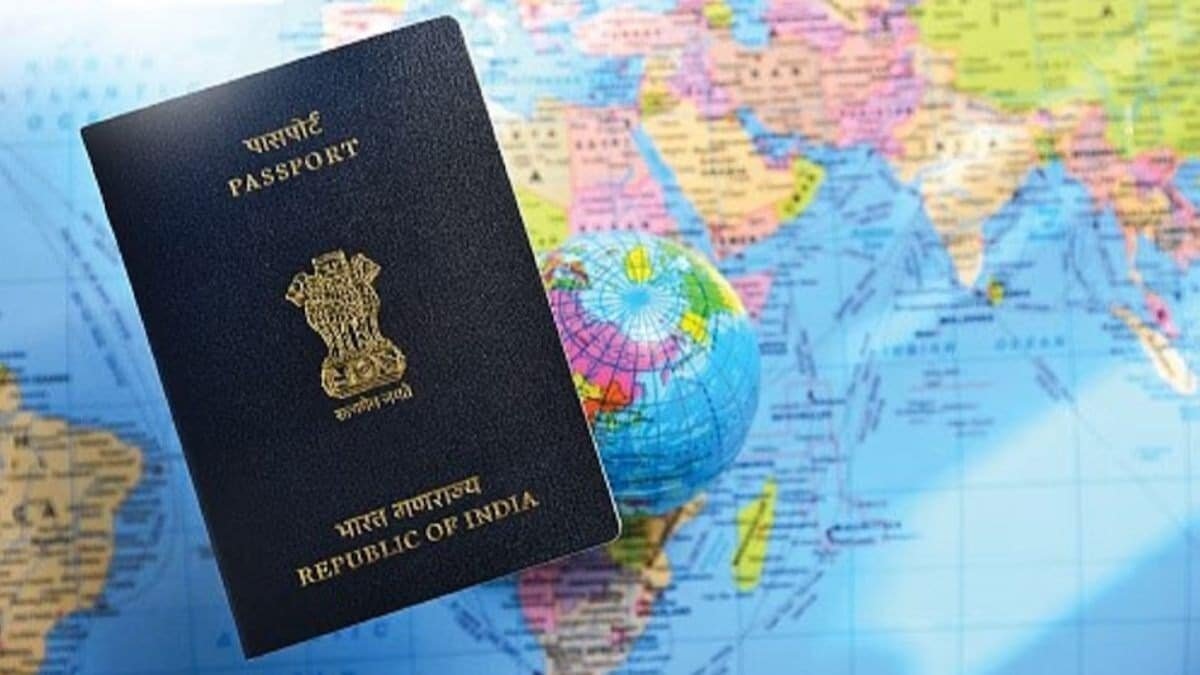
New Delhi, June 25, 2026: In a development that has ignited heated debates across social media and political circles, the Ministry of External Affairs (MEA) has clarified that an Indian passport serves primarily as a travel document and not as definitive proof of citizenship. This statement, made during the 14th Passport Seva Divas celebrations on June 24, 2026, has triggered widespread confusion, criticism, and questions about India’s citizenship verification system.
The announcement comes at a time when millions of Indians rely on their Indian passport for international travel, jobs, and establishing identity abroad. With India’s global footprint expanding rapidly under initiatives like Vishwa Bandhu, this clarification has raised serious concerns about the document’s perceived strength and international credibility.
Background of the MEA Statement on Indian Passport
According to reports, a senior MEA official emphasized that while passports undergo rigorous verification involving multiple government agencies and police checks, their core legal purpose under Indian law is to facilitate international travel and affirm nationality overseas. The official highlighted ongoing modernization efforts, including the rollout of secure chip-based e-passports.
This stance aligns with long-standing government guidelines. The MEA has consistently maintained that an Indian passport is an identity and travel document, and under specific provisions, it can even be issued to non-citizens in the public interest.
Section 20 of the Passports Act, 1967 explicitly states: “Notwithstanding anything contained in the foregoing provisions relating to issue of a passport or travel document, the Central Government may issue, or cause to be issued, a passport or travel document to a person who is not a citizen of India if that Government is of the opinion that it is necessary so to do in the public interest.”
This provision has now come under intense scrutiny, with many wondering how it impacts the sanctity of the Indian passport.
Strong Reactions from Opposition Leaders and Celebrities
The statement has not gone unnoticed. Shiv Sena (UBT) leader Aaditya Thackeray launched a sharp critique, questioning the logic behind the clarification:
“If the MEA believes Passport is not a document of citizenship: 1) What do the police verify before granting a passport? 2) Does our country give passports as travel documents to non-Indians as well? 3) Wouldn’t this announcement create doubts in the minds of other countries, of whether non-Indians get Indian Passports as a travel document?”
Thackeray further slammed the government’s foreign policy approach, calling the MEA’s position “absurd” and likely to create unnecessary international confusion.
Renowned screenwriter and lyricist Javed Akhtar echoed similar sentiments on X (formerly Twitter). He questioned whether the MEA issues Indian passports without full conviction about the holder’s citizenship status, terming the entire clarification “absurd.”
These reactions highlight a deeper public anxiety: If the most scrutinized document like a passport isn’t conclusive proof, what exactly establishes Indian citizenship beyond doubt?
Legal Realities: No Single Universal Citizenship Document in India
Legal experts point out that India does not have a single, universal document that serves as absolute proof of citizenship for those who acquire it by birth. Documents such as:
- Aadhaar cards
- PAN cards
- Voter ID cards
- Ration cards
serve specific administrative purposes but are not definitive evidence of citizenship on their own. Courts have repeatedly upheld this position, often requiring additional documents like parental proofs, especially for individuals born after 1987.
The Indian passport issuance process itself is stringent. It involves police verification reports (PVR), cross-checking with multiple databases, and submission of supporting documents proving citizenship by birth, descent, registration, or naturalization. Despite this, the law treats it primarily as a travel instrument rather than an ironclad citizenship certificate.
This distinction is not unique to India. Many countries worldwide view passports as travel documents while maintaining separate citizenship registries or naturalization processes.
EAM S Jaishankar’s Earlier Positive Outlook on Indian Passports
Interestingly, just days before this controversy, External Affairs Minister S Jaishankar painted a much more empowering picture of the Indian passport. Addressing the Annual Regional Passport Officers’ Conference on June 19, 2026, he described it as:
“A powerful tool, a vital tool, of economic mobility, of international trade… of national identity. As our foreign policy establishes India as a Vishwa Bandhu, the Indian passport is treated with respect and with confidence internationally.”
Jaishankar also celebrated the success of the Passport Seva Programme (PSP V2.0), Global Passport Seva Programme, and the introduction of chip-enabled e-passports that meet global security standards. He credited Prime Minister Narendra Modi’s vision of “Minimum Government, Maximum Governance” for these advancements.
The contrast between Jaishankar’s optimistic remarks and the subsequent technical clarification has only added fuel to the debate.
Why This Matters: Implications for Indians at Home and Abroad
The controversy arrives amid India’s ambitious push to enhance passport services. Passport issuance has been significantly streamlined with more Passport Seva Kendras, online applications, and faster processing times. Millions of Indians, especially the diaspora and aspiring overseas workers, depend on a strong Indian passport for opportunities.
Potential concerns include:
- International Perception: Could other countries question the validity or holder status of Indian passports?
- Citizenship Verification Gaps: In the absence of a comprehensive National Register of Citizens (NRC), everyday documents may face greater scrutiny in legal or administrative matters.
- Public Confidence: Ordinary citizens might worry about the strength of their identity documents during travel, banking, or property transactions.
- Policy Push: The episode has renewed calls for clearer citizenship documentation frameworks.
Broader Context of Indian Citizenship Laws
Indian citizenship is governed primarily by the Citizenship Act, 1955 (as amended). Citizenship by birth, descent, registration, naturalization, or incorporation of territory follows specific rules. Passports are issued based on these but remain distinct legal instruments under the Passports Act, 1967.
The MEA’s clarification serves as a reminder of this legal separation, even as the government continues investing heavily in passport infrastructure. The rollout of e-passports with enhanced security features aims to boost global acceptance and reduce fraud risks.
Public and Social Media Storm
Social media platforms erupted with mixed reactions. While some users appreciated the legal transparency, many expressed confusion and demanded clearer guidelines on citizenship proofs. Hashtags related to “Indian passport not proof of citizenship” trended rapidly, reflecting the issue’s resonance among the youth and diaspora.
Experts suggest this could be an opportunity for the government to educate citizens on proper documentation and perhaps accelerate efforts toward a more robust national identity and citizenship framework.
Conclusion: Balancing Clarity and Confidence
The MEA’s statement on the Indian passport being primarily a travel document underscores an important legal reality but has undeniably sparked legitimate questions. As India positions itself as a global leader, ensuring that its citizens’ key documents command respect and clarity both domestically and internationally remains crucial.
For now, Indians are advised to maintain all supporting documents alongside their passports. The government continues to expand and modernize passport services, promising easier access while upholding rigorous standards.
This controversy, though disruptive, highlights the evolving nature of identity documentation in a digital and globally mobile India. Staying informed about citizenship laws and passport guidelines will be essential for every passport holder in the coming years.