Venezuela Earthquake 2026: 7.5 Magnitude Twin Quakes Collapse Buildings in Caracas, State of Emergency Declared
Venezuela Earthquake 2026: Powerful 7.5 Magnitude Twin Quakes Trigger Chaos in Caracas, State of Emergency Declared
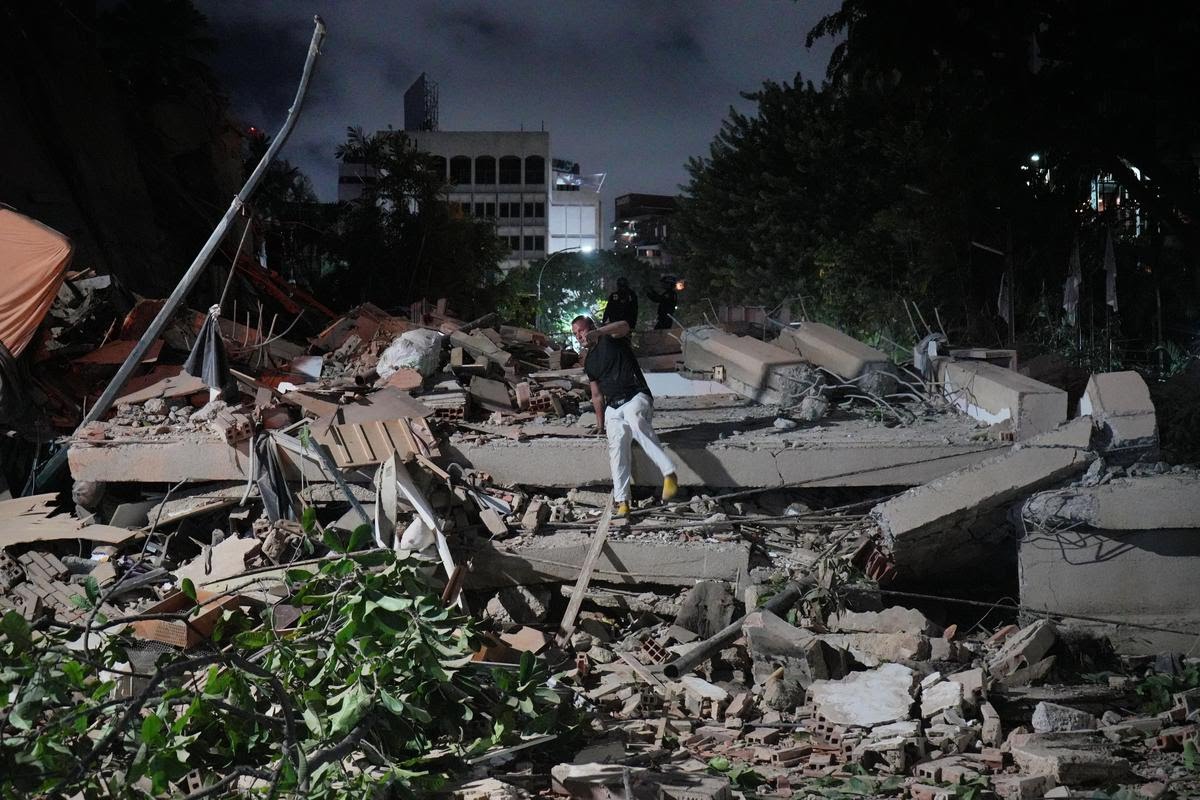
In a catastrophic natural disaster that has shaken the nation, a devastating Venezuela Earthquake struck on Wednesday evening, June 24, 2026. Two powerful back-to-back earthquakes, measuring 7.2 and 7.5 in magnitude, slammed the country, with epicenters near Morón along the Caribbean coast. The tremors caused widespread panic, building collapses in the capital Caracas, and significant infrastructure damage, prompting authorities to declare a state of emergency.
The U.S. Geological Survey (USGS) confirmed the first Venezuela Earthquake hit with a magnitude of 7.1 to 7.2, centered west of Morón, approximately 168 kilometers (104 miles) west of Caracas, at a depth of about 22 kilometers. Just 39 seconds later, a stronger 7.5 magnitude mainshock followed, with a shallower depth of 10 kilometers and an epicenter only 16 kilometers southwest of Morón. These events were classified by the USGS as a “foreshock” and “mainshock” doublet — a rare seismic occurrence that amplified the destruction.
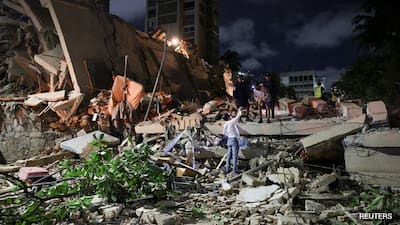
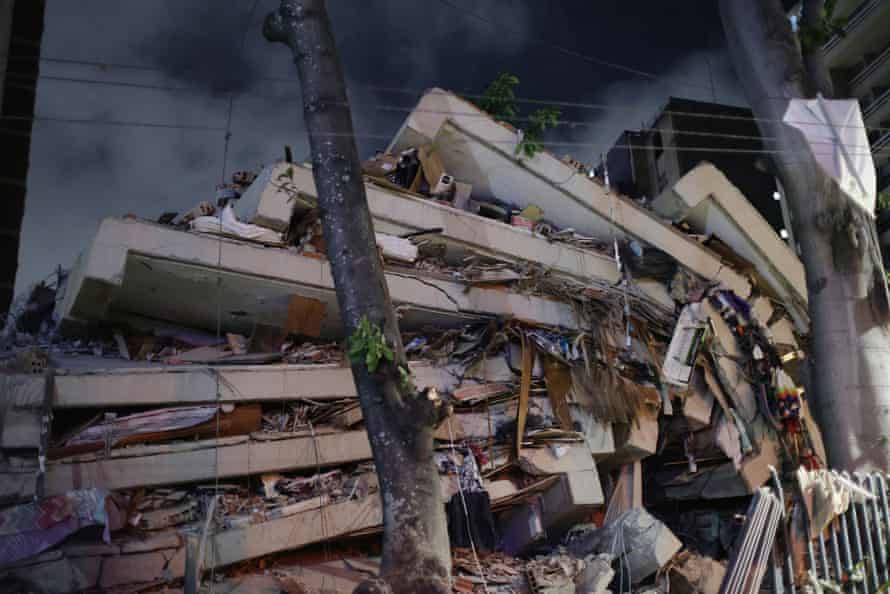
Residents in Caracas described the terrifying moments as buildings swayed violently. “It started off gently and then gradually grew, and in the end, we all had to leave our houses,” said local Hector Ricci. Another resident, Roberto Gamas, recounted: “The building really shook from side to side. Unreal. The force was incredibly strong. We were walking and it was tossing us around. Everything in the apartment fell.” Videos circulating on social media captured scenes of dust rising from collapsed structures, with furniture visible from the streets in affected neighborhoods like Altamira.
Interior Minister Diosdado Cabello reported that the Venezuela Earthquake was felt across several states. He highlighted “alarming situations” in Altamira with collapsed homes and buildings, confirming injuries and calling for emergency vehicles to have priority on roads. “We understand that some people may be desperate, but we are acting according to protocols to activate aid and rescue efforts,” Cabello stated on state television. He urged citizens to remain outdoors due to the risk of aftershocks, which have already numbered over 20.
Venezuela’s interim president, Delcy Rodríguez, addressed the nation swiftly, declaring a state of emergency. “We urge our population to remain calm. We urge unity,” she said. Rodríguez announced the closure of Simon Bolivar International Airport (CCS) after a section of the roof crumbled, causing “serious damage.” The metro and train systems were also halted. She called on all healthcare professionals to report to hospitals immediately to treat the injured and cancelled classes for several days.
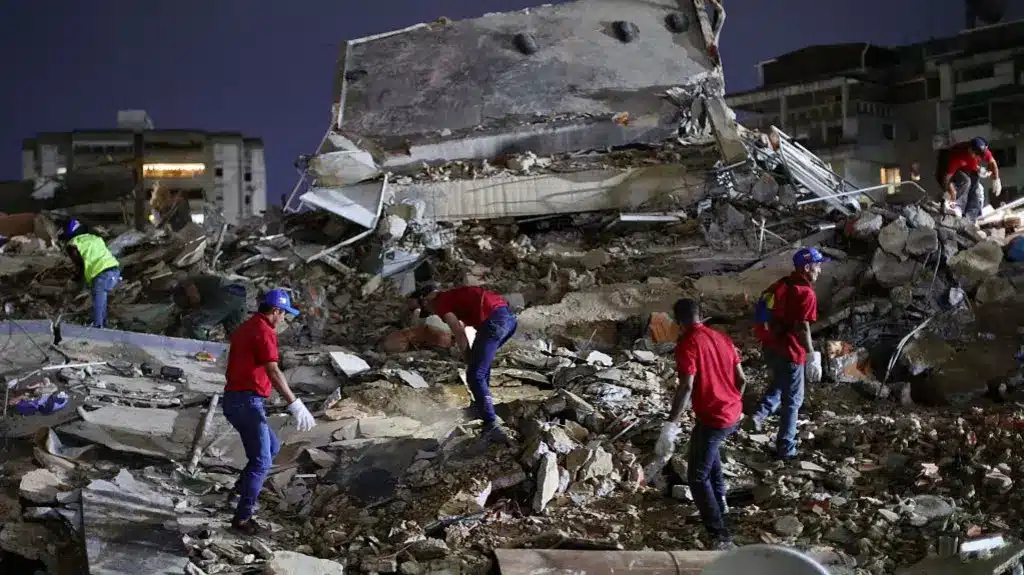
The Venezuela Earthquake has led to significant casualties and damage. While exact figures are still emerging, the USGS estimates suggest potential deaths could range from 10,000 to 100,000 depending on the extent of structural failures. In Falcon state, Governor Victor Clark reported 32 people hospitalized and 15 still trapped hours after the event. In Chacao municipality, Mayor Gustavo Duque confirmed multiple building collapses, with rescue teams extracting 18 survivors from one structure alone. Citizens were advised to seek shelter in public plazas to avoid further risks from aftershocks.
This Venezuela Earthquake event is unusual for the country. Although Venezuela lies near multiple fault lines due to its position between the South American and Caribbean tectonic plates, strong quakes are less frequent compared to Pacific Ring of Fire nations like Mexico and Chile. The doublet quakes struck shortly after 6 p.m. local time, catching many residents off guard during a busy evening hour when restaurants and businesses were active.
The U.S. Pacific Tsunami Warning Center initially issued alerts for the Virgin Islands, Dominican Republic, and Puerto Rico, though some were quickly lifted. No major tsunami impacts have been reported so far. The international community has responded with support. The United States extended assistance, with Deputy Secretary of State Christopher Landau stating on X: “We stand with the Venezuelan people… We’re in touch with the authorities and mobilising assistance. May God bless our Venezuelan friends at this difficult moment.”
As rescue operations continue, the focus remains on saving lives and assessing damage. Dust columns were visible in multiple Caracas neighborhoods, and people remained on streets hugging pets and loved ones well after sunset. The psychological impact is profound, with residents expressing shock and gratitude for surviving the initial jolts.
Detailed Timeline of the Venezuela Earthquake Events
- 6:00 PM Local Time: First 7.2 magnitude foreshock strikes.
- 39 Seconds Later: 7.5 magnitude mainshock hits.
- Immediate Aftermath: Building collapses reported in Caracas; airport damaged.
- Evening Hours: State of emergency declared; aftershocks continue.
- Ongoing: Rescue efforts in Falcon and Caracas; international aid mobilized.
Experts note that the shallow depths of these quakes — especially the 10 km mainshock — contributed to the intense surface shaking, explaining the severe structural damage in urban areas.
Impact on Infrastructure and Daily Life
The Venezuela Earthquake has disrupted critical services. Simon Bolivar International Airport’s closure affects international travel, while halted public transport leaves many stranded. Power outages and communication challenges have compounded difficulties in coordinating relief. In hard-hit areas, entire walls collapsed, exposing interiors and creating dangerous debris fields.
Local authorities are prioritizing search-and-rescue. Teams are working to free those trapped, with calls for motorists to yield to ambulances. Public health officials worry about secondary risks, including injuries from falling objects and potential disease outbreaks in crowded evacuation zones.
Economically, the disaster comes at a challenging time for Venezuela. Rebuilding efforts will likely require substantial resources, with appeals expected to the international community for humanitarian aid, medical supplies, and engineering expertise.
Historical Context of Seismic Activity in Venezuela
While not as seismically active as neighboring regions on the Pacific coast, Venezuela has experienced notable earthquakes in its history. The 1812 Caracas earthquake, for instance, was devastating. However, modern monitoring and building codes have improved resilience — though the rapid doublet in 2026 tested even well-constructed structures.
The Caribbean plate interactions make the northern coastal areas, including near Morón, more vulnerable than previously assumed. Seismologists are now studying this event closely to better understand fault dynamics in the region.
Personal Stories from the Ground
Beyond official reports, individual accounts highlight the human toll. Families gathered in open spaces, checking on relatives via calls. Elderly residents and children required special attention, as urged by Minister Cabello. One survivor described the ground moving like “waves under our feet,” a vivid illustration of the quake’s power.
Social media played a key role in real-time information sharing, with videos showing passengers at Maiquetía airport running for cover as debris fell. These images have gone viral, drawing global attention to the crisis.
Government Response and Future Precautions
Interim President Rodríguez’s call for unity and calm is crucial to prevent disorder. The government has activated emergency protocols, including aid distribution and temporary shelters. Long-term, experts recommend reviewing building standards in seismic zones and enhancing early warning systems.
International seismologists praise the quick USGS analysis, which helped contextualize the doublet nature of the event. Understanding foreshocks versus mainshocks can inform future preparedness strategies.
How to Help and Stay Informed
For those wishing to support, reputable organizations are coordinating relief. Follow official channels from the Venezuelan government and USGS for accurate updates on the Venezuela Earthquake. Avoid spreading unverified casualty figures, as confirmed numbers are still being determined.
This Venezuela Earthquake serves as a stark reminder of nature’s power and the importance of resilience. As the nation recovers, stories of heroism in rescues and community solidarity are emerging amid the tragedy.
The coming days will bring more clarity on the full extent of damage and loss. For now, the priority is saving lives, treating the injured, and ensuring safety from aftershocks. Stay tuned to our live updates on this developing Venezuela Earthquake story for the latest on response efforts, international aid, and recovery updates.