Bhai Dooj 2026 Date, Tilak Muhurat, Rituals & Significance: Complete Guide to Celebrate the Sacred Sibling Bond
Bhai Dooj 2026 arrives as the heartfelt conclusion to the five-day Diwali festivities, bringing families together to honour one of the most cherished relationships in Indian culture — the pure, protective and lifelong bond between brothers and sisters. Celebrated on Wednesday, 11 November 2026, this festival, also known as Yama Dwitiya, Bhaiya Dooj, Bhau Beej or Bhai Phonta depending on the region, transforms ordinary homes into spaces filled with tilak, aarti, sweets, gifts and emotional reunions.
With the Dwitiya Tithi of Kartik Shukla Paksha beginning at 2:00 PM on 10 November and ending at approximately 3:53 PM on 11 November, classical Hindu calendar rules place the main observance on 11 November. The auspicious Aparahna period — the preferred window for the tilak ceremony — falls fully on that day. In New Delhi the recommended tilak muhurat runs from 1:10 PM to 3:20 PM, lasting about two hours and ten minutes. Families across India and the diaspora are finalising plans so that sisters can apply the sacred mark, perform aarti and pray for their brothers’ long life, health and prosperity while brothers respond with gifts and a renewed promise of protection.
Why Bhai Dooj Holds Special Meaning in 2026
Bhai Dooj is far more than a ritual calendar event. It is a living reminder that sibling love transcends distance, marriage, career pressures and the passage of years. In an era when many brothers and sisters live in different cities or countries, the festival offers a structured, sacred reason to reconnect. The core message remains timeless: a sister’s prayer for her brother’s longevity and a brother’s pledge to stand by his sister through every season of life.
The festival also carries a protective dimension. According to tradition, performing the rites on this day is believed to free brothers from the fear of untimely death and to invite lasting happiness into the family. That spiritual assurance, combined with the simple joy of shared meals and gifts, explains why Bhai Dooj continues to rank among the most emotionally resonant days of the Hindu year.
The Mythological Roots: Yama, Yamuna and Krishna
Two powerful stories underpin Bhai Dooj. The primary legend centres on Yama, the god of death, and his twin sister Yamuna (also called Yami). Yamuna repeatedly invited her busy brother to visit her. When Yama finally arrived on Kartik Shukla Dwitiya, she welcomed him with a tilak, aarti and a lovingly prepared meal. Deeply moved, Yama granted her a boon: any brother who receives a tilak from his sister and shares a meal at her home on this day will be blessed with long life and protection from Yamadootas. This is why the day is also called Yama Dwitiya.
A second popular narrative involves Lord Krishna and his sister Subhadra. After Krishna’s victory over the demon Narakasura, he visited Subhadra. She greeted him with sweets, flowers and a tilak, establishing a custom that sisters continue to this day. Both stories emphasise hospitality, affection and the protective power of a sister’s blessing.
In Nepal the day forms the climax of Tihar and is known as Bhai Tika, featuring a distinctive seven-coloured tika. In West Bengal it is Bhai Phonta, where the mark is often prepared with sandal paste, ghee and kajal. Maharashtra and Goa call it Bhau Beej, while many North Indian homes simply say Bhaiya Dooj. Despite regional variations, the emotional core remains identical.
Exact Timings for Bhai Dooj 2026
- Festival date: Wednesday, 11 November 2026
- Dwitiya Tithi begins: 2:00 PM, 10 November 2026
- Dwitiya Tithi ends: approximately 3:53 PM, 11 November 2026
- Recommended Aparahna tilak muhurat (New Delhi): 1:10 PM – 3:20 PM
Local panchangs may show minor variations, so families are advised to consult the muhurat for their specific city. The key principle is that the tilak should be applied while Dwitiya prevails during the afternoon Aparahna period.
Step-by-Step Bhai Dooj Rituals for a Meaningful Celebration
Preparation begins the night before or early on the morning of 11 November. Sisters often observe a partial fast until the tilak is complete. Both siblings bathe and wear fresh or traditional clothes. The puja area is cleaned and decorated with rangoli, flowers and diyas.
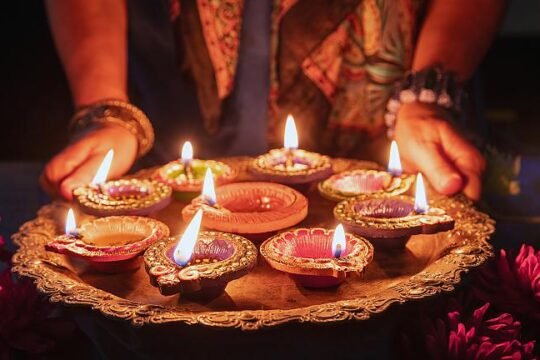
- Prepare the thali: Arrange roli or kumkum, unbroken rice (akshat), a small ghee diya, sweets, dry fruits or a coconut, flowers and, in some families, a sacred red thread (mauli). Some households also keep curd or sandal paste.
- Seat the brother: The brother sits facing east or north on a clean mat or asana.
- Apply the tilak: The sister applies a tilak of roli mixed with rice grains on the brother’s forehead while silently or softly praying for his long life, good health, success and happiness.
- Perform aarti: Circling the lit diya, the sister performs aarti, often accompanied by traditional songs or simple mantras seeking divine protection.
- Offer sweets: She feeds her brother a sweet with her own hand, symbolising the sweetness she wishes for his life.
- Exchange gifts and blessings: The brother presents a gift — anything from clothes and jewellery to practical items or even a heartfelt handwritten note — and offers his blessings and promise of lifelong support.
- Share a festive meal: The day culminates in a special lunch or dinner prepared by the sister, reinforcing the Yamuna-Yama tradition of hospitality.
Many families also light a four-wick lamp outside the house in honour of Yama or perform a brief Chitragupta Puja on the same afternoon, especially in certain communities.
Regional Flavours Across India and Beyond
In Bengal the phonta is applied with a specific rhyme meant to keep Yama away. In Maharashtra the brother is often given a special gift after the aarti. Nepali Bhai Tika involves an elaborate multi-coloured tika and longer ceremonies. South Indian families may emphasise different local customs while retaining the tilak and meal. Abroad, Indian diaspora communities adapt the timings to local sunrise and sunset yet keep the emotional sequence intact. The festival’s flexibility allows every household to make it personal while remaining rooted in tradition.
Practical Tips for a Stress-Free and Joyful Bhai Dooj 2026
Plan the menu a day ahead so cooking does not overshadow the emotional moments. Keep gifts ready but meaningful rather than extravagant. If siblings live far apart, schedule a video call during the muhurat so the tilak and aarti can still be performed virtually. For sisters without a biological brother, traditional guidance permits applying tilak to a cousin, a close male relative, or even offering the rites to Lord Krishna or another deity as a symbolic act. The spirit of the day is love and protection, not rigid bloodlines.
Document the celebration with photographs or a short family video. These memories become treasures in later years. Encourage younger children to participate so the tradition passes naturally to the next generation. Most importantly, create space for conversation — stories of childhood, current challenges and future hopes — because the true power of Bhai Dooj lies in strengthening the relationship beyond the formal rituals.
The Deeper Significance in Modern Life
In 2026, when digital connections often replace physical presence, Bhai Dooj serves as a powerful counterbalance. It reminds families that some bonds require intentional nurturing. The act of a sister applying tilak is both a blessing and a subtle assertion of care; the brother’s gift is both appreciation and a public recommitment. Together these gestures reinforce emotional security in an uncertain world.
The festival also carries social value. It provides an occasion for married sisters to return to their parental or marital homes, renewing ties with extended family. It encourages brothers to express gratitude that everyday life sometimes overlooks. And it offers a culturally sanctioned pause after the intensity of Diwali shopping, lights and socialising — a quieter, more intimate celebration focused on two people who share a unique history.
Looking Ahead
As the sun sets on 11 November 2026, homes across the country will glow with the quiet satisfaction that comes from having honoured a sacred relationship. The tilak will fade, the sweets will be eaten, and the gifts will find their places, but the sense of being protected and valued will linger. That is the enduring gift of Bhai Dooj.
Whether this is your first celebration or your fiftieth, approach the day with presence and sincerity. Prepare the thali with care, speak the prayers from the heart, and let the simple acts of tilak, aarti and shared food reaffirm what matters most. In doing so, you not only keep an ancient tradition alive but also weave stronger threads of love into the fabric of your own family story.
Bhai Dooj 2026 is more than a date on the calendar. It is an invitation to pause, bless and be blessed — a beautiful reminder that the strongest bonds are those we choose to celebrate, year after year.