Manuh Bihu 2026: Joyful Celebration of Assamese New Year on First Day of Bohag – Traditions, Rituals & Significance
Guwahati, April 15, 2026: Today marks Manuh Bihu, the heartwarming second day of Rongali Bihu (also known as Bohag Bihu), celebrated across Assam as the official Assamese New Year. Following the energetic Goru Bihu dedicated to cattle, Manuh Bihu brings families together in a beautiful display of respect, love, harmony, and cultural pride.
In Assamese society, Manuh Bihu (literally “People’s Bihu”) holds deep emotional and social significance. It is the day when the new year truly begins for the people, filled with rituals that strengthen family bonds and renew hope for the coming year.
What is Manuh Bihu and Why is it Special?
Manuh Bihu 2026 falls on Wednesday, April 15, the first day of the Assamese month of Bohag. While Goru Bihu on April 14 honours the vital role of cattle in Assam’s agrarian life, Manuh Bihu shifts focus to human relationships, respect for elders, and collective joy.
This day is not just about celebration — it embodies the core values of Assamese culture: humility, gratitude, and togetherness. From the bustling streets of Guwahati to the serene villages of Upper and Lower Assam, the vibrant spirit of Rongali Bihu has painted the entire state in colourful hues of happiness and optimism.
Traditional Rituals of Manuh Bihu
The celebrations of Manuh Bihu begin early in the morning with purifying rituals that cleanse both body and soul:
- Maah Halodhi Bath: People wake up before sunrise and take a holy bath using a paste of maah (black gram) and halodhi (turmeric). This traditional bath is believed to purify the body and prepare individuals for the new year with freshness and positivity.
- New Clothes and Cultural Attire: Families wear new traditional clothes. Women don elegant Mekhela Chador, while men wear Dhoti and Kurta or Chadar. The iconic red-and-white Gamusa (gamosa) takes centre stage as a symbol of Assamese identity and respect.
One of the most touching customs is the younger generation offering sewa (respectful obeisance) to elders. Children and youth touch the feet of their parents, grandparents, and other senior family members, seeking blessings for health, prosperity, and success in the new year.
In return, elders lovingly bless the younger ones and present them with Bihuwan — special Bihu gifts that often include a beautifully woven Gamusa, new clothes, or other thoughtful items. This exchange of gifts and blessings reinforces intergenerational respect and love, a cornerstone of Assamese family values.
Gamusa Exchange: Symbol of Love and Respect
The humble yet powerful Gamusa plays a central role in Manuh Bihu. Families and friends exchange these traditional handwoven towels not merely as gifts but as tokens of affection, respect, and cultural pride. The Gamusa, with its distinctive motifs, is an integral part of Assamese life — used in daily rituals, as a mark of honour, and even presented to guests.
Households buzz with activity as people visit relatives, neighbours, and friends. They share warm greetings, exchange Bihuwan, and enjoy traditional delicacies together. This door-to-door visiting strengthens community bonds and spreads the festive cheer far and wide.
Festive Atmosphere Across Assam
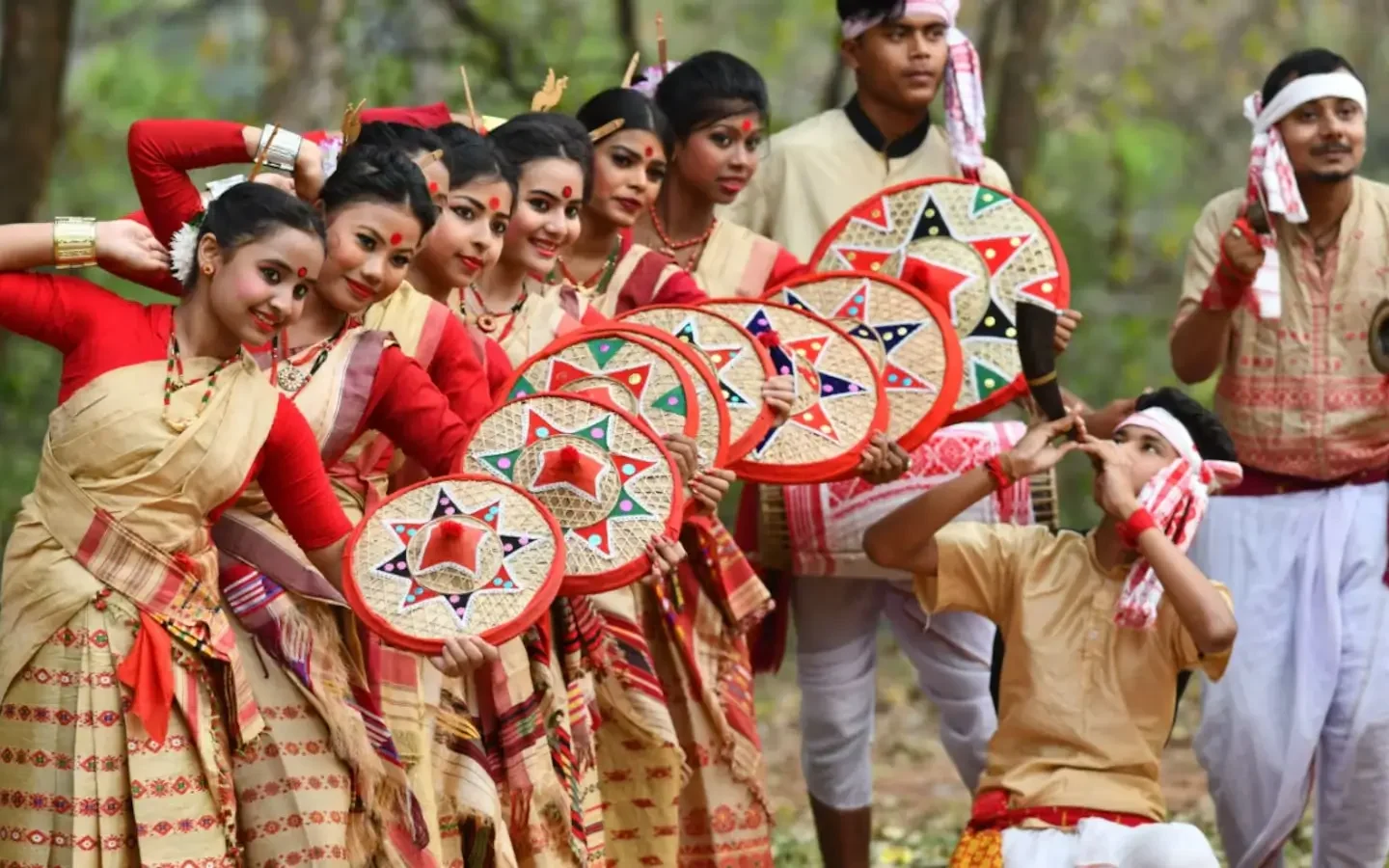
From the hills of Upper Assam to the plains of Lower Assam and Barak Valley, Manuh Bihu 2026 has created a joyous, festive environment throughout the state. The air resonates with the beats of dhol, pepa, and gagana as Bihu songs and dances begin in earnest.
Young boys and girls, dressed in their finest traditional attire, display infectious enthusiasm. Husori groups — bands of singers and dancers — move from house to house, performing lively Bihu songs and receiving blessings and gifts in return.
In rural areas, the celebrations retain their pure traditional flavour, while urban centres like Guwahati, Dibrugarh, Jorhat, and Silchar blend modernity with heritage through cultural programmes, Bihu competitions, and community events.
Significance of Manuh Bihu in Assamese Culture
Manuh Bihu carries profound cultural and social importance:
- It marks the official beginning of the Assamese New Year according to the traditional calendar.
- It emphasises respect for elders and the wisdom they pass down through generations.
- It promotes family harmony, social unity, and communal bonding in a diverse society.
- It renews hope and enthusiasm as people step into the agricultural sowing season with fresh energy and optimism.
In the seven-day span of Bohag Bihu (Chot Bihu, Goru Bihu, Manuh Bihu, Kutum Bihu, Senehi Bihu, Mela Bihu, and Chera Bihu), Manuh Bihu stands out as the emotional core where the focus shifts from nature and cattle to human relationships.
This day reminds every Assamese person of their roots — the rich agrarian heritage, the importance of community, and the timeless values that define their identity even in a fast-changing world.
Delicious Traditions: Food and Feasting
No Bihu celebration is complete without mouth-watering traditional delicacies. On Manuh Bihu, families prepare and share a variety of pitha (rice cakes), laru (sweets made with sesame, coconut, and jaggery), jalpan (a light breakfast of rice, curd, and sweets), and other festive dishes.
These culinary delights are not just food — they represent abundance, hospitality, and the joy of sharing with loved ones. Neighbours and relatives often exchange plates of freshly prepared pithas, strengthening social ties through the universal language of food.
Modern Celebrations While Preserving Heritage
While the core rituals of Manuh Bihu remain unchanged, modern Assam has added new dimensions to the festival. Cultural organisations, educational institutions, and social clubs organise Bihu competitions, fashion shows featuring traditional attire, photography exhibitions, and online live sessions to reach the global Assamese diaspora.
Many young Assamese living in metros like Bengaluru, Delhi, Mumbai, and abroad also observe Manuh Bihu by organising virtual family gatherings, exchanging digital Gamusa greetings, and sharing photos of their celebrations.
Despite these adaptations, the essence remains the same — honouring elders, wearing new clothes, exchanging blessings, and celebrating the arrival of a hopeful new year.
Manuh Bihu 2026: A Message of Hope and Unity
As Assam celebrates Manuh Bihu 2026, the festival brings a powerful message: no matter how modern life becomes, the values of respect, love, and togetherness will always guide us forward.
This special day fills every heart with new energy, fresh dreams, and unwavering hope for a prosperous and harmonious year ahead. The colourful Rongali Bihu spirit continues to unite the people of Assam, keeping their rich cultural heritage alive and vibrant for future generations.
Whether you are in a remote village by the Brahmaputra or in a bustling city, the joy of Manuh Bihu reminds us that the true essence of the Assamese New Year lies in the warmth of family, the respect for tradition, and the shared happiness of community.
Happy Manuh Bihu 2026 to all!
May the blessings of elders, the colours of Rongali Bihu, and the spirit of Assam bring peace, prosperity, and endless joy to every home.