Bohag Bihu 2026: 7 Days of Rongali Bihu Celebrations, Dates, Rituals, Bihu Dance & Traditional Food in Assam
Bohag Bihu 2026: Embracing the 7 Days of Joy in Rongali Bihu Celebrations Across Assam
As spring blossoms across the Brahmaputra Valley with the iconic kopou phul orchids and fresh green fields, Assam gears up for its most vibrant festival — Bohag Bihu, popularly known as Rongali Bihu. In 2026, Bohag Bihu begins on Tuesday, April 14, and continues with full enthusiasm through Monday, April 20, spanning the traditional seven days often referred to as Saat Bihu or Shat Bihu.
This comprehensive guide on Bohag Bihu 2026 and the 7 days of Bohag Bihu is designed for anyone searching for authentic details on dates, day-wise rituals, Bihu dance, traditional foods, and cultural significance. Whether you are in Guwahati, planning a visit to Assam, or celebrating from afar, discover how Rongali Bihu marks the Assamese New Year with music, dance, feasting, and community bonding.
Bohag Bihu (Rongali Bihu) is the festival of color, joy, and renewal. It aligns with the start of the seeding season and the Assamese solar calendar’s Bohag month. Rooted in ancient agrarian traditions, it celebrates gratitude to nature, cattle, deities, family, and the community while looking forward to a prosperous year. The seven days each carry unique significance, blending folk rituals with later cultural influences, making Bohag Bihu a living heritage of Assam’s diverse ethnic groups.
Bohag Bihu 2026 Dates and Overview of the 7 Days
Bohag Bihu 2026 runs from April 14 to April 20, 2026. Public holidays in Assam typically include April 14 (Bohag Bihu), April 15 (Bohag Bihu Holiday), and often April 16, with variations by district or institution.
Here is the detailed breakdown of the 7 days of Bohag Bihu (Shat Bihu) in 2026, along with key rituals, significance, and how celebrations unfold in rural villages and urban centers like Guwahati:
Day 1: Goru Bihu (April 14, 2026 – Tuesday) – Cattle Worship Day
The festival opens with Goru Bihu, dedicated to livestock that sustain Assam’s agriculture. Families lead cows and bulls to rivers, ponds, or fields for a thorough bath using mah halodhi (a paste of black gram and turmeric). Horns and hooves are sometimes painted, and animals receive special treats like gourds (lao), brinjals (bengena), and new ropes. Prayers seek their health and productivity for the coming year. In the evening, rice bran is burned to create protective smoke against insects. This day honors the vital bond between farmers and their cattle. In Guwahati and towns, people with pets or access to community cattle perform symbolic rituals.
Day 2: Manuh Bihu (April 15, 2026 – Wednesday) – Human/New Year Day
Manuh Bihu marks the official Assamese New Year. Families wake early for a purifying bath with mah halodhi, wear new clothes (often muga or pat silk mekhela chador for women and dhoti-gamusa for men), and offer prayers at the household altar. Elders bless the younger ones, and people exchange gamusa (traditional woven scarves) as tokens of respect and affection. Homes are cleaned, and lavish feasts with various pitha (rice cakes) begin. This is the core day of merriment, family visits, and the start of Bihu dance and music performances. Government offices and schools are usually closed, turning it into a major public holiday.
Day 3: Gosai/Guxai Bihu or Gossain Bihu (April 16, 2026 – Thursday) – Deities Worship Day
On the third day, focus shifts to spirituality. People worship household deities (Gosai) and visit naamghors (community prayer halls) for hymns, prayers, and offerings seeking prosperity, harmony, and a good harvest. Traditional songs and naam (devotional chanting) fill the air. This day reinforces gratitude to spiritual guides and ancestors, blending Vaishnavite influences with folk beliefs. In many areas, it is also a time for quieter family introspection before the more social days ahead.
Day 4: Kutum Bihu or Tator Bihu (April 17, 2026 – Friday) – Family/Relatives Day
Kutum Bihu emphasizes family and relatives (kutum). People visit extended family members, exchange gifts, share homemade pitha and sweets, and strengthen bonds. In some regions, it is called Tator Bihu, focusing on weaving or household chores with cultural significance. Husori groups (singing troupes of young men) begin door-to-door visits, performing Bihu songs and dances in exchange for gamusa and treats. This day deepens social ties across communities.
Day 5: Nangolor Bihu or Senehi Bihu (April 18, 2026 – Saturday) – Plough/Friendship Day
Nangolor Bihu (sometimes linked to the plough or agricultural tools) or Senehi Bihu (love/friendship day) highlights community and youthful energy. Traditional games, egg fights (koni juj), and more energetic Bihu dance performances take center stage. Young people express joy through flirtatious Bihu geet (songs). In villages, fields become venues for open mukoli bihu dances. Urban celebrations in Guwahati feature cultural programs and Bihu competitions.
Day 6: Mela Bihu or Jiyori/Senehi Bihu (April 19, 2026 – Sunday) – Fair/Community Gathering Day
The sixth day often turns into Mela Bihu, with fairs, large gatherings, and grand Bihu dance shows. People attend Bihu melas, enjoy food stalls offering authentic Assamese delicacies, and participate in or watch performances. It is a day of collective joy, where the entire community comes together. In Guwahati, expect big events at venues like Sarusajai Stadium or Srimanta Sankardev Kalakshetra with live music, dance, and exhibitions promoting local artisans.
Day 7: Sera Bihu or Chera Bihu (April 20, 2026 – Monday) – Final/Closing Day
Sera Bihu (or Chera Bihu) marks the conclusion with reflective and festive elements. Final Husori rounds, community feasts, and wrapping up of celebrations occur. Some traditions involve symbolic “sweeping away” of the old or prayers for the year’s remainder. It is a time to cherish memories, share last pitha batches, and look forward to the agricultural season. In many places, the spirit of Rongali continues informally for days afterward.
These 7 days of Bohag Bihu flow seamlessly, with Bihu dance, music, and food weaving through all phases, though the intensity peaks from Day 2 onward.
The Heart of Rongali Bihu: Bihu Dance and Music
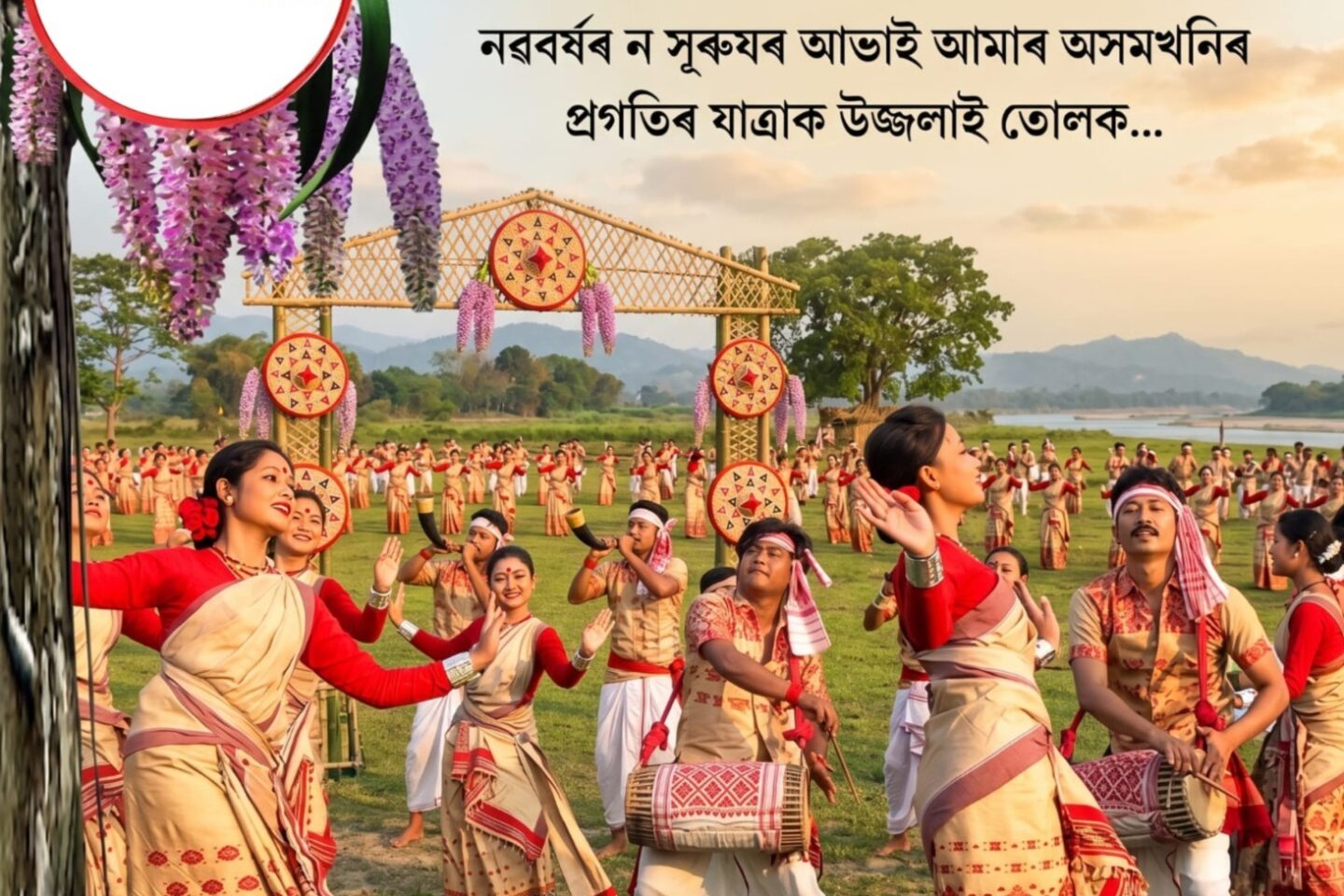
Bihu dance is the pulsating soul of Bohag Bihu 2026. Young performers in traditional attire showcase brisk steps, graceful hand gestures, and vibrant expressions accompanied by dhol (drum), pepa (horn flute), gogona (jaw harp), and taal. Themes revolve around love, nature, and spring. Women perform Jeng Bihu, while mixed groups dance in open fields (mukoli bihu). Husori processions add a door-to-door interactive charm. In 2026, expect grand stage shows, youth competitions, and live streams that help preserve this UNESCO-recognized intangible heritage element.
Bihu songs (Bihu geet) are witty, romantic, and poetic, often improvised, reflecting everyday life and emotions.
Traditional Bohag Bihu Food: Pitha, Laru, and Feasts
Food is integral across the 7 days. Women prepare rice-based delicacies days in advance:
- Pitha varieties: Ghila Pitha, Til Pitha, Narikol Pitha, Sunga Pitha, and more — made from sticky rice, coconut, sesame, and jaggery.
- Laru and sweets: Til Laru, Narikol Laru, Murir Laru.
- Savory items: Fresh xaak (greens), fish curries, and meat dishes during feasts.
- Goru Bihu specials: Gourds and brinjals for cattle, plus family treats.
Community sharing and Bihu mela food stalls make the cuisine accessible. For 2026, many promote organic, traditional recipes to support sustainability.
Modern Celebrations in Guwahati and Tips for Bohag Bihu 2026
In Guwahati, Bohag Bihu 2026 features large-scale events, cultural programs, and neighborhood Husori. Visit riverfront areas, Kalakshetra, or local melas for authentic vibes. Villages offer more traditional experiences with cattle rituals and open dances.
Tips to celebrate:
- Prepare mah halodhi and pitha at home.
- Wear traditional clothes and carry gamusa.
- Respect local customs during photography or participation.
- Support local artists and eco-friendly practices.
- For outsiders: Join virtual events or cook Assamese recipes.
Cultural Significance and Preservation of Bohag Bihu
Bohag Bihu transcends religion, uniting diverse communities in Assam. It symbolizes renewal, fertility, and harmony with nature. In 2026, amid urbanization, efforts focus on preserving instruments, passing down dances to youth, and promoting responsible tourism.
This festival reminds us of Assam’s agrarian roots and resilient spirit. As dhol beats echo and pepa melodies float, Rongali Bihu fills hearts with hope.
Happy Bohag Bihu 2026! May the 7 days bring joy, prosperity, and togetherness. Xoroni (best wishes) to all Axomiya and friends of Assam.