US-Israel Joint Strikes on Iran Escalate Middle East Conflict: Helpline for Indian Nationals in Region Amid Rising Tensions
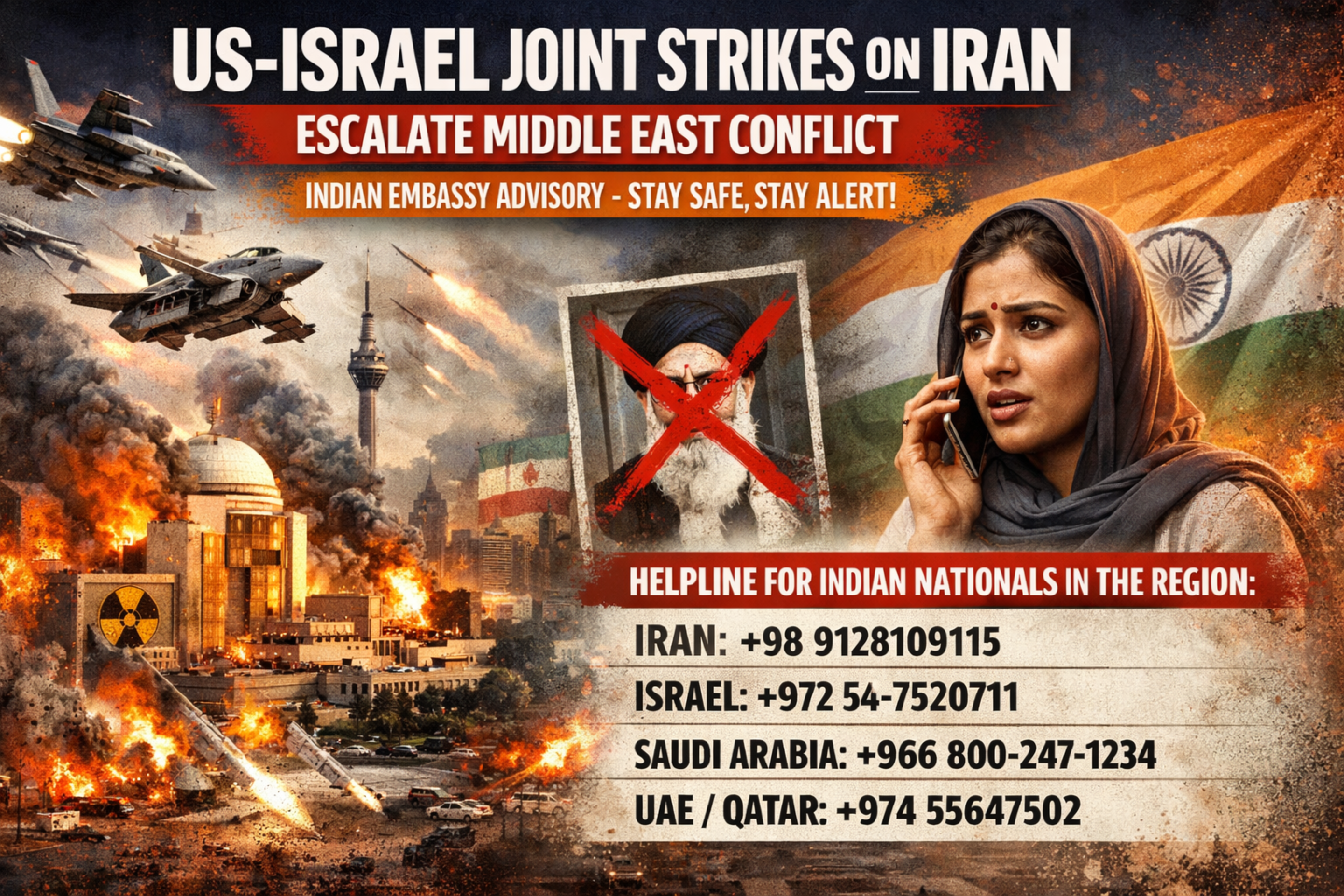
The Middle East has plunged into one of its most severe crises in decades following a massive joint military operation by the United States and Israel against Iran on February 28, 2026. Codenamed “Operation Epic Fury” by the US Department of Defense and “Operation Roaring Lion” by Israel, the strikes marked a dramatic escalation aimed at dismantling Iran’s military capabilities, neutralizing its nuclear program remnants, and potentially triggering regime change in Tehran.
US President Donald Trump announced the commencement of “major combat operations” in a video message released early Saturday, describing the campaign as a necessary response to Iran’s ongoing threats via nuclear ambitions and ballistic missiles. In his address, Trump directly appealed to the Iranian people: “The hour of your freedom is at hand. When we are finished, take over your government. It will be yours to take.” He emphasized that the strikes sought to “raze” Iran’s missile program, annihilate its naval forces, and prevent further threats to US interests and allies in the region.
Israeli officials, including Prime Minister Benjamin Netanyahu, framed the action as a “pre-emptive strike” to eliminate existential threats, particularly after intelligence indicated accelerated Iranian ballistic missile development and rebuilding of nuclear facilities following prior exchanges in 2025.
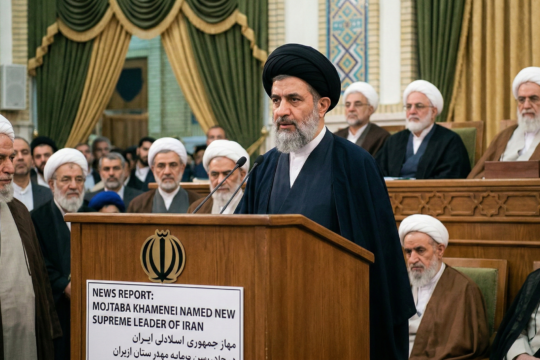
The operation began with coordinated airstrikes and missile barrages targeting key sites across Iran, including Tehran. Reports confirmed multiple explosions in the capital, with plumes of smoke rising over government districts and military installations. Israeli sources described the initial salvo as a “decapitation strike,” timed to hit leadership compounds during meetings. Among the high-profile casualties was Iran’s Supreme Leader Ayatollah Ali Khamenei, whose death was first announced by Trump on Truth Social and later confirmed by Iranian state media. The regime declared 40 days of national mourning, while the Islamic Revolutionary Guard Corps (IRGC) vowed swift revenge.
Iranian state television and officials initially claimed the Supreme Leader remained “steadfast,” but confirmation of his death—along with top aides, family members, and approximately 40 senior officials—sent shockwaves through the country and the broader region. The strikes also hit missile production sites, nuclear-related facilities (remnants from earlier 2025 US bombings), IRGC bases, and political leadership hubs in cities like Tehran and beyond.
In retaliation, Iran launched waves of ballistic missiles and drones targeting Israel and US military assets across the Middle East. Air raid sirens blared in Israeli cities including Tel Aviv and Haifa, with some intercepts reported but debris causing limited damage. Iran claimed to have struck 27 US bases in the region, including facilities in Qatar, Bahrain, the United Arab Emirates (UAE), Kuwait, Saudi Arabia, and Jordan. Reports emerged of missile impacts in these Gulf states, with at least one fatality from debris in the UAE and injuries in Kuwait.
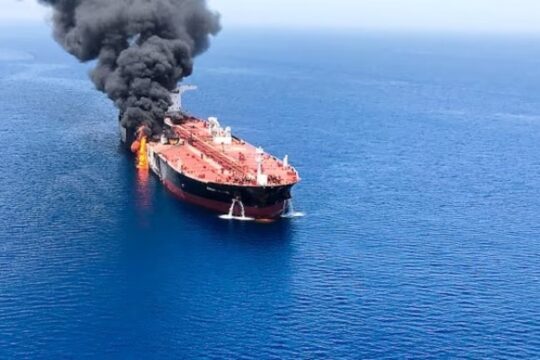
The conflict has disrupted regional stability, halting air traffic, slowing shipping through the Strait of Hormuz, and raising fears of a protracted war involving Iran’s “Axis of Resistance” proxies. The United Nations Secretary-General António Guterres condemned the escalation as a “grave threat to international peace,” urging all parties to return to negotiations. The UN Security Council held an emergency session, with Russia and China criticizing the US-Israel actions as “unprovoked aggression,” while Western allies emphasized Iran’s prior provocations.
For Indian nationals in the region—estimated in large numbers due to migrant workers, students, and professionals—the situation has prompted immediate action from the Government of India and its embassies. The Ministry of External Affairs (MEA) expressed deep concern and called for restraint from all sides, while diplomatic missions issued urgent advisories.
The Indian Embassy in Tehran advised citizens to exercise “utmost caution,” avoid unnecessary movements, remain indoors as much as possible, monitor news closely, and await further instructions. Similar warnings came from embassies in Israel (Tel Aviv), urging vigilance amid retaliatory threats, and in Gulf countries hosting US bases.
In Jordan, the embassy explicitly urged citizens and tourists to leave as soon as possible via available commercial flights, warning of potential disruptions. Advisories in the UAE, Saudi Arabia, Qatar, Bahrain, and Kuwait echoed calls for caution, urging reliance on official sources and avoiding rumors.
Helpline for Indian nationals has become a critical resource amid the chaos. These emergency contacts provide 24/7 support for assistance, evacuation queries, or emergencies:
- Qatar: +974-55647502 (24×7), Email: cons.doha@mea.gov.in
- Jordan: +962-770422276
- Saudi Arabia: +966-11-4884697 and Toll-Free: 800-247-1234
- Iran (Tehran): +989128109115, +989128109109, +989128109102, +989932179359
- Israel (Tel Aviv): +972-54-7520711, Email: cons1.telaviv@mea.gov.in
Citizens are encouraged to register on the MADAD portal for consular support and keep travel documents ready. Airlines like IndiGo have issued notices of potential schedule changes due to airspace restrictions.
The broader implications are profound. Analysts note this as Trump’s boldest foreign policy move since returning to office, shifting from diplomacy (recent failed nuclear talks in Geneva) to military action coordinated closely with Israel. Critics argue it risks a wider regional war, economic shocks from oil disruptions, and unintended consequences like power vacuums in Iran.
As strikes continue—with Trump stating operations will persist “uninterrupted” as needed—the region braces for further escalation. Indian nationals are urged to stay informed via official MEA channels and helplines.
For the latest updates on the helpline for Indian nationals and safety measures in the Middle East conflict, bookmark this page and follow reliable sources. The situation remains fluid, with potential for rapid changes affecting travel, security, and regional stability.