Arunachal Flood 2026: 5 Missing, 17 Injured as Devastating Flash Floods and Landslides Cut Off Six Districts
Arunachal Flood 2026: Devastating Flash Floods and Landslides Trigger Massive Crisis in Six Districts – 5 Still Missing, 17 Injured
In a tragic turn of events amid the ongoing monsoon season, Arunachal Pradesh flood situation has escalated dramatically, leaving residents and authorities grappling with widespread destruction. Heavy incessant rainfall has triggered catastrophic flash floods and multiple landslides, severely impacting western parts of the state. As of June 25, 2026, five individuals remain missing, while 17 people have sustained injuries, some in critical condition. This Arunachal flood crisis has cut off vital road connectivity to at least six districts, disrupting lives and highlighting the vulnerability of the region’s hilly terrain.
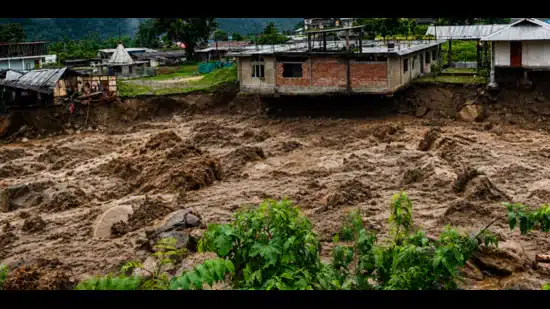
The worst-hit area is Keyi Panyor district, particularly the NEEPCO Colony in the Possa region near Yazali. Torrential rains on June 23-24, 2026, caused a sudden surge in water levels, leading to flash floods that damaged around 20 houses and inundated residential quarters. Rescue teams are working tirelessly, but the full scale of the Arunachal Pradesh flood 2026 is still being assessed due to inaccessible zones.
Detailed Account of the Arunachal Flood Tragedy
According to reports from local authorities and the Keyi Panyor Superintendent of Police, the flash floods struck with little warning after days of heavy downpour. In the NEEPCO Colony, 17 individuals were injured, with three reported in critical condition. The injured were initially shifted to a hospital in Ziro, but due to road blockades at Pitapool, critical patients had to be manually carried across damaged stretches before ambulance transport.
The five missing persons have been identified as Elesh Marak (13), Balari Marak (30), Tao Anjina (46), Nirmala Gupta (35), and Sourav Kumar. Search and rescue operations continue in full swing, involving district police, State Disaster Response Force (SDRF), National Disaster Response Force (NDRF), and other agencies. Teams have already rescued several stranded individuals, including a man from the Yazali reservoir and a Geological Survey of India (GSI) scientist.
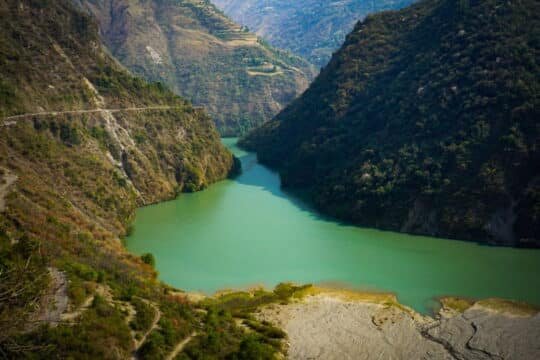
A heart-wrenching video of a Class XII student from Manipur, studying in Arunachal Pradesh, and a dog stranded in the reservoir of the Panyor Lower Hydro Electric Project (HEP) due to rising water levels has gone viral on social media. Efforts to rescue both safely were underway at the time of reporting, showcasing the human and emotional toll of this Arunachal flood.
Beyond Keyi Panyor, five other districts — Upper Subansiri, Kamle, Lower Subansiri, Kurung Kumey, and Kra Daadi — have been severely affected. Major landslides have blocked key routes, including the Kimin route at KM 15, KM 21, and KM 23. Several stretches of the ICR-Hoj-Yazali National Highway are damaged, and the vital Hoj bridge and junction, connecting Pakke Kessang and East Kameng districts, remain cut off.
Impact on Infrastructure and Connectivity in Arunachal Flood
The Arunachal Pradesh flood 2026 has not only claimed lives and injured people but has also crippled infrastructure. Multiple landslides along the Potin-Possa road have halted vehicular movement, isolating villages and towns. The Border Roads Organisation (BRO) and the Highway Department are working round the clock to restore connectivity. Authorities expect partial restoration of key routes by Thursday afternoon or evening.
This disruption affects daily life, supply chains, and emergency services. Residents have been advised to avoid unnecessary travel, especially on landslide-prone stretches like the Potin-Possa route. Weather forecasts predict more rainfall in the coming days, raising fears of further landslides and flooding in this already vulnerable Arunachal flood zone.
The administration has issued a strong appeal against panic or hoarding of essential commodities, fuel, or LPG. With restoration efforts in progress, normalcy is expected to return gradually, but the economic impact on local communities could be significant.
Rescue and Relief Operations Underway Amid Arunachal Flood Crisis
Heroic efforts by multiple agencies are underway. SDRF, NDRF, police, and local volunteers have been instrumental in saving lives. The focus remains on locating the five missing persons and providing medical aid to the injured. Assessment of overall damage is ongoing, as many affected areas remain inaccessible due to the rugged terrain and continued weather challenges.
Experts note that Arunachal Pradesh’s geography — with steep slopes, fragile ecology, and heavy monsoon rains — makes it highly susceptible to such disasters. The Arunachal flood events underscore the need for better early warning systems, resilient infrastructure, and community preparedness in the Himalayan region.
Broader Context: Monsoon Challenges in Northeast India
While this article focuses on the Arunachal Pradesh flood, similar incidents have been reported across the Northeast. Heavy rains have also impacted Assam and other states, causing landslides and flooding. Climate patterns and deforestation are often cited as contributing factors, though immediate relief remains the priority.
For residents in the affected districts, the message is clear: stay alert, follow official advisories, and support rescue teams. Tourists and travelers are urged to postpone plans until routes are declared safe.
What Lies Ahead for Arunachal After This Flood?
As recovery begins, long-term questions emerge. How can road networks be made more resilient? What role can technology play in predicting flash floods? Governments and organizations like BRO are expected to accelerate projects for slope stabilization and improved drainage.
Communities in Keyi Panyor and neighboring areas have shown resilience, but the loss of lives and property is a stark reminder of nature’s power. The Arunachal flood 2026 will likely prompt reviews of hydroelectric projects like the Panyor HEP and urban planning in hilly regions.
Safety Tips and Government Advisory During Arunachal Flood
- Avoid low-lying areas and riverbanks.
- Do not travel on blocked or damaged roads.
- Stock essential supplies but avoid hoarding.
- Follow updates from official sources like district administrations and IMD.
- Report any stranded individuals immediately to helplines.
Authorities continue to monitor the situation closely. As more details emerge from inaccessible zones, the true extent of damage in this Arunachal Pradesh flood may increase.
This developing story highlights the urgent need for sustainable development in ecologically sensitive areas. Our thoughts are with the families of the missing and injured. Stay tuned to our website for the latest updates on Arunachal flood developments, rescue progress, and restoration efforts.