Historic Record 19.5 Lakh Devotees as Kedarnath Dham Closes for Winter 2026
Kedarnath Dham, the sacred Himalayan abode of Lord Shiva, witnessed an emotional and historic moment on Wednesday, November 11, 2026. The portals of the revered shrine were ceremonially closed for the winter season at 8:30 AM, marking the end of one of the most successful pilgrimage seasons in recent memory. More than 19.20 lakh (and according to temple committee figures nearly 1.95 million) devotees from across India and the world received the blessings of Baba Kedar during the six-month yatra that began on April 22.
This year’s footfall has set a new record, reflecting the unwavering faith of millions and the improved infrastructure and safety measures put in place by the Uttarakhand administration, Badarinath-Kedarnath Temple Committee (BKTC), National Disaster Response Force (NDRF), State Disaster Response Force (SDRF), and local police.
The Sacred Closing Ceremony on Bhai Dooj
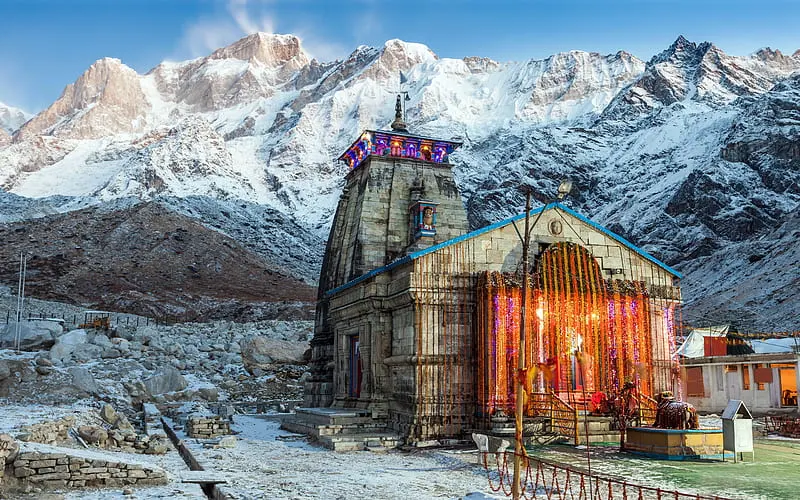
The closing rituals began in the early hours of November 11 at 4:00 AM. Priests, members of the Kedar Sabha, Tirth Purohits, BKTC representatives, and district administration officials gathered inside the ancient stone temple as Vedic mantras filled the crisp mountain air. An Indian Army band played soulful tunes during the aarti, creating a deeply moving atmosphere even as temperatures dropped and light snowfall blanketed the surrounding peaks.
BKTC President Hemant Dwivedi described the occasion with great emotion: “Today has arrived that emotional moment, an ancient tradition where for six months, worship is offered to Nara, and for six months to Narayana. Today, on November 11th, at 8:30 AM, the doors—well, I wouldn’t call it closing the doors, rather this is the ceremony of ‘Mangalam’ for the doors. The first phase of all the rituals has been successfully completed here today.”
Rudraprayag District Magistrate Vishal Mishra confirmed that the portals, which had opened on April 22, were shut after more than 19.20 lakh devotees had paid their respects. The temple, standing at approximately 3,580 metres above sea level in the Garhwal Himalayas, becomes inaccessible during the harsh winter months due to heavy snowfall and extreme cold. The traditional 17-kilometre trek from Gaurikund turns treacherous, making the seasonal migration of the deity both practical and spiritually significant.
Baba Kedar’s Journey to His Winter Abode
Immediately after the closing, the ceremonial Panchmukhi Utsav Doli (palanquin) carrying the idol of Baba Kedar began its journey to the Omkareshwar Temple in Ukhimath. This centuries-old tradition ensures that worship continues uninterrupted even when the main shrine is closed.
According to the schedule, the doli made its first overnight halt at Rampur on November 11. On November 12 it is expected to reach the Vishwanath Temple in Guptkashi, and on November 13 it will be ceremoniously installed at Omkareshwar Temple in Ukhimath, also located in Rudraprayag district. For the next six months, devotees can offer prayers and seek Baba Kedar’s blessings at this winter seat.
Hemant Dwivedi appealed to all those who could not visit Kedarnath this season: “Please come to Ukhimath and seek the blessings of Baba Kedar. The divine presence continues there throughout the winter.”
Why This Year’s Yatra Was Special
Several factors contributed to the record turnout. Improved helicopter services, better road connectivity on the Char Dham route, enhanced medical facilities, and real-time weather and crowd management systems encouraged more pilgrims, including elderly devotees and first-time visitors, to undertake the journey. Despite occasional weather challenges and temporary suspensions due to landslides earlier in the season, the overall yatra remained largely smooth thanks to coordinated efforts by disaster response teams.
The Char Dham Yatra 2026 is now winding down. Gangotri Dham also closed around the same period, while Yamunotri is expected to shut soon. Badrinath will follow later, completing the seasonal cycle of the four sacred abodes.
Spiritual Significance of the Winter Closure
For millions of Hindus, the closing of Kedarnath is not an end but a transformation. The tradition of moving the deity to a lower altitude for six months is rooted in ancient Himalayan practice. It symbolises the continuous presence of the divine and the adaptability of faith to nature’s rhythms. Devotees believe that the same Lord Shiva who resides in the snow-clad peaks also graces the winter temple at Ukhimath with equal grace and power.
Many pilgrims who managed a final darshan on November 10 and 11 described the experience as unforgettable. Chants of “Jai Baba Kedar” and “Har Har Mahadev” echoed through the valley as the temple was decorated with large quantities of flowers for the farewell ceremonies. The emotional intensity of the last aarti on the evening of November 10 had already prepared the ground for the formal closure the next morning.
Looking Ahead: Reopening in 2027
The Kedarnath shrine is expected to reopen around Akshaya Tritiya in 2027. Exact dates will be announced by the temple committee according to the traditional calendar and weather conditions. Until then, the focus shifts to Ukhimath, where winter worship will continue with full rituals.
Authorities have already begun preparations for the next season, including further strengthening of the trek route, additional resting points, and better communication systems. Lessons from the record 2026 season will help make future yatrs even safer and more accessible.
A Message of Faith and Gratitude
In his remarks, Hemant Dwivedi expressed deep gratitude to the Kedar Sabha, Tirth Purohits, NDRF, SDRF, police personnel, district administration, and every devotee who made the pilgrimage possible. The successful management of nearly two million visitors in a high-altitude, sensitive ecological zone stands as a testament to collective dedication.
For those planning a visit next year, early preparation remains key. Registration, physical fitness, proper clothing, and awareness of weather patterns continue to be essential. Meanwhile, the winter months offer a quieter, more introspective way to connect with Baba Kedar at Ukhimath.
The closing of Kedarnath Dham on November 11, 2026, will be remembered not merely for the record numbers but for the deep spiritual energy that filled the Himalayas. As the doli winds its way to Ukhimath and the high temple settles into its winter silence under snow, the faith of millions remains unbroken. Baba Kedar’s blessings continue—now from a different, equally sacred home—until the portals reopen next spring to welcome a new wave of devotees seeking divine grace in the heart of the Garhwal Himalayas.
This historic winter closure of Kedarnath Dham after a record-breaking season reaffirms the living tradition of the Char Dham Yatra and the eternal bond between devotees and Lord Shiva in the mountains of Uttarakhand.