India and US Critical Minerals Deal 2026: Framework Agreement Signed to Secure Rare Earths Supply Chain
India and US Critical Minerals Deal: A Strategic Partnership Reshaping Global Supply Chains
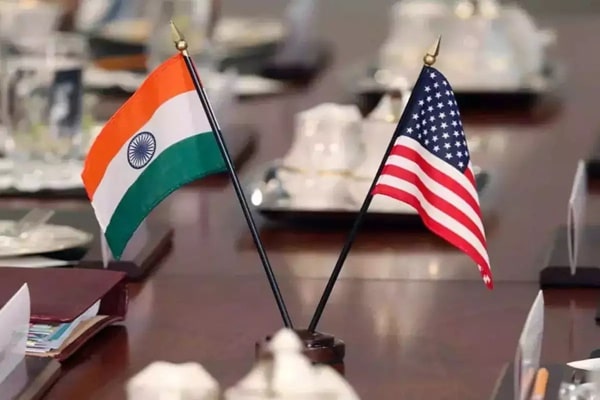
In a significant development for global resource security, India and US have signed a comprehensive framework agreement on critical minerals and rare earths. The deal, finalized on Tuesday in New Delhi, aims to strengthen cooperation across mining, processing, recycling, and investment in this vital sector. External Affairs Minister Subrahmanyam Jaishankar and US Secretary of State Marco Rubio inked the agreement during Rubio’s four-day visit to India.
This India and US critical minerals deal comes at a crucial time as Washington seeks to diversify its supply chains away from China, which currently dominates the global rare earths market. The partnership is expected to play a pivotal role in securing stable supplies for electric vehicles, semiconductors, defense technologies, and renewable energy equipment.
What Does the India-US Critical Minerals Framework Include?
According to statements from the Indian Ministry of External Affairs and the US Embassy in India, the framework focuses on deepening bilateral cooperation throughout the entire critical minerals value chain. Key areas include:
- Exploration and mining of critical minerals
- Processing and refining technologies
- Recycling and recovery of rare earth elements
- Joint investments in infrastructure and technology
- Protection of supply chains from coercive practices
The agreement emphasizes reducing collective vulnerability to single-source monopolies. Both nations aim to build resilient supply chains through coordinated international efforts. The US Embassy highlighted that the deal will help protect sensitive supply chains and promote diversified sourcing.
This is the latest in a series of similar frameworks the United States has signed as part of its broader strategy to secure essential materials for its economic and national security.
Background: Why Critical Minerals Matter
Critical minerals are non-fuel minerals essential for modern technology and national security. They are used in manufacturing batteries, semiconductors, military hardware, wind turbines, electric vehicle motors, and advanced electronics. The United States classifies them as materials with vulnerable supply chains that could disrupt its economy or defense capabilities.
Rare earth elements — a group of 17 metals including 15 lanthanides plus scandium and yttrium — are particularly important. These elements possess unique magnetic and conductive properties that make them irreplaceable in high-performance magnets, defense systems, and AI-related hardware.
China currently controls approximately 60% of global rare earth deposits and processes nearly 90% of the world’s supply. This dominance has raised serious concerns in Washington, especially under President Donald Trump’s administration, which has prioritized reducing reliance on Beijing for strategic materials.
For the US, complete import dependence exists for 12 critical minerals, while over 50% of needs are imported for 29 others. The India and US critical minerals deal directly addresses this strategic vulnerability.
India’s Critical Minerals Potential
India holds substantial reserves that could play a transformative role in the new partnership. In July 2023, the Indian government identified 30 critical minerals, including:
- Lithium, cobalt, nickel, graphite
- Rare earth elements
- Titanium, tungsten, zirconium, gallium, germanium
India possesses an estimated 13.15 million tonnes of monazite sands, which contain 7.23 million tonnes of rare earth oxides (REOs). While China leads with around 44 million tonnes of REO reserves, India’s deposits — particularly along its eastern and southern coasts — offer significant untapped potential.
Currently, India produces only four critical minerals commercially: copper, graphite, phosphorous, and titanium. Limited exploration, infrastructure gaps, and processing technology constraints have held back fuller exploitation. However, the government is taking proactive steps.
In the Union Budget 2026-27, India announced the creation of “rare earth corridors” in Odisha, Kerala, Andhra Pradesh, and Tamil Nadu. These hubs will focus on mining, processing, research, and manufacturing of high-performance rare earth magnets for EVs and wind turbines.
The India and US critical minerals deal is expected to bring American investment, technology transfer, and best practices to accelerate these efforts.
Quad Critical Minerals Framework: A Multilateral Dimension
On the same day, India also announced a broader critical minerals framework among Quad nations (US, India, Japan, Australia). This multilateral initiative aims to mobilize up to $20 billion through a mix of loans, guarantees, subsidies, and long-term purchase agreements.
The Quad partners plan to invest in mining, processing, and recycling projects while sharing regulatory best practices and technical expertise. Emphasis has also been placed on promoting recycling to create circular supply chains among “like-minded” countries.
This development complements the bilateral India and US critical minerals deal and strengthens the Quad’s role in countering China’s dominance in strategic materials.
Rubio’s Visit and Broader Strategic Context
US Secretary of State Marco Rubio’s visit to India focused on repairing and enhancing trade, energy, and defense ties. The critical minerals agreement represents a concrete outcome of these discussions. Rubio’s trip culminated with the Quad foreign ministers’ meeting in New Delhi.
The timing is significant. Global tensions, including recent conflicts involving Iran, have highlighted vulnerabilities in energy and resource supply chains. Countries are actively seeking alternatives and building resilient networks.
Global Implications of the India-US Deal
- Supply Chain Diversification: The agreement directly supports US efforts to reduce dependence on China while helping India develop its domestic industry.
- Economic Opportunities: Joint ventures could create thousands of jobs in India’s mining and processing sectors, particularly in the identified rare earth corridors.
- Technological Collaboration: The US can share advanced processing technologies that minimize environmental impact — critical given the toxic waste generated by rare earth processing.
- Geopolitical Realignment: This deal strengthens the Indo-Pacific strategic partnership and signals growing alignment between the world’s largest democracy and oldest democracy on critical security issues.
- EV and Green Transition: Secure supplies of lithium, nickel, cobalt, and rare earths are essential for the global shift to electric vehicles and renewable energy. India’s ambitious EV targets and US climate goals both benefit from this partnership.
Challenges Ahead
Despite the promise, several challenges remain:
- Environmental concerns related to mining and chemical processing
- Need for sustainable practices and community engagement
- Infrastructure development in remote mining areas
- Skill development and technology adoption in India
- Regulatory harmonization between the two countries
Both sides will need to address these issues to ensure the framework delivers tangible results.
Expert Analysis and Future Outlook
Analysts view this India and US critical minerals deal as a milestone in bilateral relations. It builds upon earlier cooperation, including India’s participation in the US-led Pax Silica initiative on secure semiconductor and AI supply chains earlier this year.
The deal also aligns with India’s “Atmanirbhar Bharat” (Self-Reliant India) vision while integrating the country more deeply into global value chains.
As exploration activities ramp up in India and Quad funding begins to flow, the coming years could see significant new production capacity outside China. This would enhance global supply security and potentially stabilize prices of these strategic materials.
Conclusion
The signing of the India and US critical minerals framework marks a new chapter in strategic cooperation between the two nations. By focusing on rare earths and other critical minerals, India and the United States are not only addressing immediate supply chain vulnerabilities but also laying the foundation for long-term technological and economic partnership.
This agreement underscores the evolving nature of India-US relations — moving beyond traditional defense and trade ties into critical domains that will define the 21st-century global economy.
As implementation begins, stakeholders across industries, governments, and investors will closely watch how this partnership translates into on-ground projects, new mines, processing facilities, and ultimately, more secure supply chains for the world’s most essential materials.