India’s First LNG-Powered Train Flagged Off by Amit Shah from Sabarmati: Historic Dual-Fuel Breakthrough
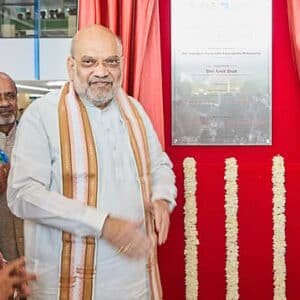
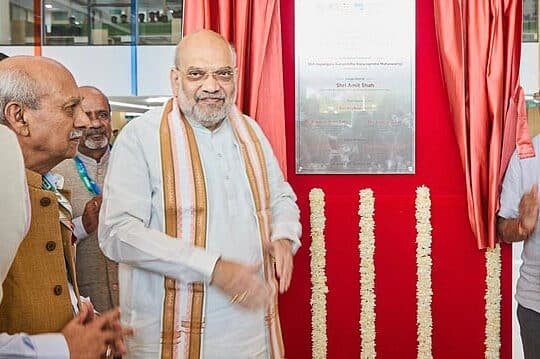
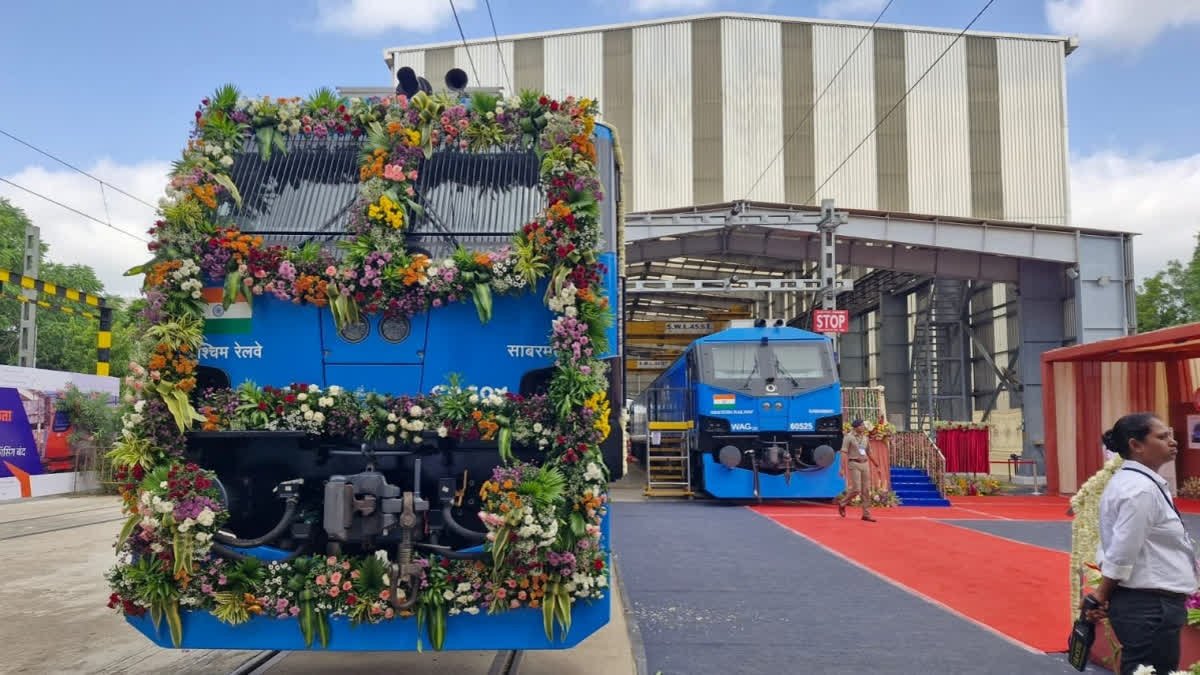
India’s first LNG Train:In a landmark moment for Indian Railways, Union Home Minister Amit Shah on Sunday flagged off India’s First LNG Train from Sabarmati Railway Station in Ahmedabad. The dual-fuel Diesel Electrical Multiple Unit (DEMU) marks a major step toward cleaner, more cost-effective rail transport. Shah also inaugurated multiple railway projects worth over Rs 1,542 crore, including an automatic signalling system, a WAG-12 locomotive maintenance shed, and the foundation for doubling the Sabarmati-Sarkhej line.
The event underscores India’s push for sustainable mobility while strengthening freight and passenger capacity in Gujarat and beyond. India’s First LNG Train uses a dual-fuel system that blends liquefied natural gas with diesel, cutting emissions and fuel costs without compromising performance.
What Makes India’s First LNG Train Special
Unlike conventional diesel trains, India’s First LNG Train stores natural gas in liquid form at extremely low temperatures inside specially designed cryogenic tanks. Each Diesel Power Car (DPC) carries an LNG tank of about 2,200 litres, holding roughly 950 to 1,000 kg of usable LNG. A full tank supports daily operations covering approximately 222 km, reducing the need for frequent refilling.
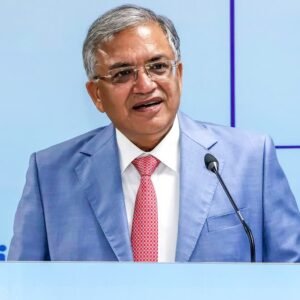
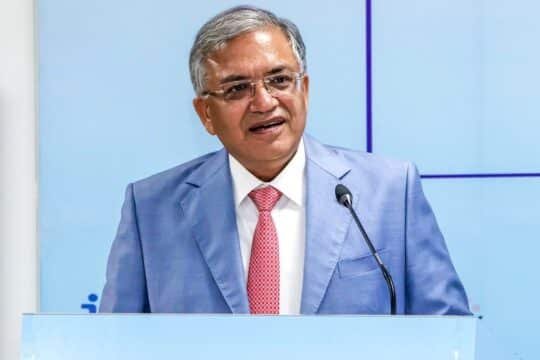
Divisional Railway Manager Ved Prakash explained the core goal: “The aim of this dual-fuel system is to replace some portions of diesel with LNG, thereby reducing fuel costs and emissions while maintaining the operational performance of the train.” The system can substitute up to 40 percent of diesel with LNG. When LNG is available, its share can be increased; when not, the train continues reliably on diesel. This flexibility ensures Indian Railways is never fully dependent on a single fuel source.
Successful field trials covering more than 2,000 km have already validated the dual-fuel technology on converted DPCs. Engineers tested engine power, reliability, and fuel consumption thoroughly before clearing the train for passenger service on the Sabarmati-Patan route. The result is a train that delivers the same power and reliability as a pure diesel unit while delivering measurable environmental and economic benefits.
Major Projects Inaugurated Alongside the Historic Launch
Amit Shah’s visit went far beyond the train flag-off. He inaugurated several key infrastructure upgrades that will transform operations in the Ahmedabad Division.
- Automatic signalling systems were commissioned on the Sabarmati-Kalol-Motigau and Sabarmati-Sanand-Jakhwada sections, improving safety and line capacity.
- A modern WAG-12 locomotive maintenance shed at Sabarmati, built at a cost of Rs 700 crore, was dedicated. By 2027-28, around 300 of these powerful 12,000-horsepower locomotives are expected to be operational, significantly boosting freight movement.
- The foundation stone was laid for doubling the Sabarmati-Sarkhej railway line, a project that will ease congestion and support growing passenger and goods traffic.
- Shah also inaugurated the newly renovated Sabarmati Station, now equipped with modern passenger amenities.
In his address, the Home Minister highlighted rail safety enhancements. The ‘Kavach’ automatic train protection system will be implemented on a 404 km section of the Ahmedabad Division at a cost of Rs 411 crore. This indigenous technology is designed to prevent collisions and enhance operational safety across the network.
Environmental and Economic Impact of India’s First LNG-Powered Train
The dual-fuel technology behind India’s First LNG Train offers a practical pathway to lower the carbon footprint of diesel operations. By replacing up to 40 percent of diesel with cleaner-burning LNG, the railways can cut greenhouse gas emissions and local air pollutants. Fuel cost savings add another strong incentive, especially as global energy prices fluctuate.
LNG is stored and handled through specialised cryogenic systems that keep the gas in liquid state at very low temperatures. This requires careful engineering, but the trials have proven the technology reliable under real operating conditions. Railway officials emphasise that performance remains identical to conventional diesel engines—passengers will notice no difference in speed, acceleration, or comfort.
The Sabarmati-Patan route will serve as the initial commercial testing ground. Success here could pave the way for wider adoption of dual-fuel DEMUs across other sections, particularly in regions where LNG supply chains are well developed.
Broader Context: Modernising Indian Railways
The launch of India’s First LNG Train fits into a larger modernisation drive. High-horsepower WAG-12 locomotives, automatic signalling, Kavach safety systems, and station redevelopment are all part of a coordinated effort to increase capacity, improve punctuality, and reduce environmental impact.
Freight capacity will receive a major boost once the full fleet of 300 WAG-12 locomotives is in service by 2027-28. These 12,000 hp machines are designed for heavy-haul operations and will help Indian Railways capture a larger share of the nation’s goods traffic. Simultaneously, passenger services benefit from safer signalling, better stations, and more efficient rolling stock.
Gujarat, already a hub for industrial and logistics activity, stands to gain significantly. Improved connectivity between Sabarmati, Sarkhej, Kalol, Sanand, and other nodes will support economic growth while offering cleaner transport options.
Looking Ahead
Railway officials remain focused on refining the dual-fuel system and expanding its use. Continuous monitoring of fuel consumption, emissions, and reliability data from the Sabarmati-Patan services will guide future rollouts. The technology’s ability to operate on a flexible mix of LNG and diesel gives it a practical edge over pure alternative-fuel solutions that require extensive new infrastructure.
With India’s First LNG train now in passenger service and supporting infrastructure projects underway, Indian Railways has taken a concrete step toward a more sustainable and efficient future. The combination of innovative propulsion technology, safety upgrades, and capacity enhancement positions the network to meet rising demand while reducing its environmental footprint.
Amit Shah’s flag-off of India’s First LNG Train from Sabarmati is more than a ceremonial event. It signals a practical, scalable approach to greener rail travel that balances operational needs with environmental responsibility. As the dual-fuel DEMUs accumulate kilometres on the tracks and the WAG-12 fleet expands, the benefits of this initiative will become increasingly visible to passengers, freight customers, and the nation as a whole.