Bhai Dooj 2026 Date, Tilak Muhurat & Powerful Rituals Guide
Bhai Dooj 2026 is set to bring families together on Wednesday, 11 November, marking the beautiful close of the five-day Diwali celebrations. This cherished festival, also known as Yama Dwitiya, Bhaiya Dooj, Bhau Beej or Bhai Tika in different regions, celebrates the pure and protective bond between brothers and sisters. Sisters apply a sacred tilak on their brothers’ foreheads, perform aarti and pray for their long life and prosperity, while brothers respond with gifts and a renewed promise of lifelong protection.
In 2026 the Dwitiya tithi of Kartik Shukla Paksha begins at approximately 2:00 PM on 10 November and ends at 3:53 PM on 11 November. Because the traditional tilak ceremony is performed during Aparahna (the afternoon period), the festival is observed on 11 November across most of India. The auspicious tilak muhurat for New Delhi falls roughly between 1:10 PM and 3:20 PM. Families are advised to check local panchang timings for their city, as the exact window can shift by a few minutes.
The emotional core of Bhai Dooj 2026 rests on two ancient legends that continue to inspire millions. The most widely told story is that of Yama, the god of death, and his twin sister Yamuna. After a long absence, Yama visited Yamuna. She welcomed him with great affection, applied a tilak, performed aarti and prepared a special meal. Deeply moved, Yama granted a boon: any brother who receives a tilak and aarti from his sister on this day will be protected from untimely death and blessed with a long, healthy life. This is why the day is also called Yama Dwitiya.
A second popular legend links the festival to Lord Krishna and his sister Subhadra. After defeating the demon Narakasura, Krishna visited Subhadra. Overjoyed at his safe return, she applied a tilak, waved the aarti lamp and offered sweets. Krishna, in turn, blessed her and promised protection. Together these stories underline the mutual care that defines the sibling relationship — the sister’s heartfelt prayer for her brother’s well-being and the brother’s vow to stand by her side.
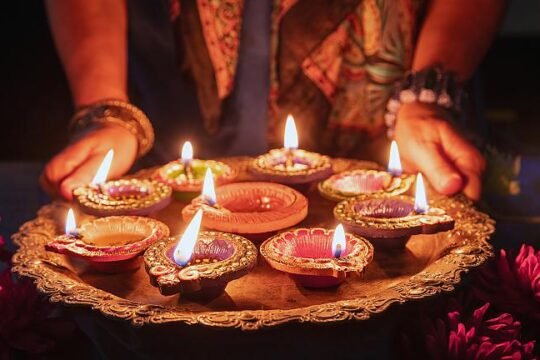
Bhai Dooj rituals remain simple yet deeply meaningful. Sisters usually begin the day by cleaning the house, preparing a puja thali and cooking their brother’s favourite dishes. The thali typically contains roli or kumkum, unbroken rice grains (akshat), a lit diya, sweets, flowers and often a coconut. The brother sits facing east or north. The sister applies the tilak on his forehead, places rice grains on it, performs aarti while praying for his long life, health and success, and then feeds him a sweet with her own hands. In many homes the sister observes a fast until the ceremony is complete.
Brothers traditionally respond with gifts — cash, clothes, jewellery, sweets or modern tokens of affection — and a verbal or silent promise of protection. A shared family meal follows, turning the day into a joyful reunion. In some regions a four-wick lamp is lit in the name of Yama, and the Kayastha community also performs Chitragupta Puja on the same afternoon.
Regional variations add colour to the celebrations. In Maharashtra, Goa and Karnataka the festival is known as Bhau Beej. In Bengal it is Bhai Phonta, while in Nepal it is celebrated as Bhai Tika during Tihar. Despite different names, the essence remains identical: the tilak, the aarti, the sweets and the exchange of love and protection.
Beyond the rituals, Bhai Dooj 2026 carries lasting cultural and emotional significance. In an age of busy schedules and physical distance, the festival creates a deliberate moment for siblings to reconnect. It teaches younger generations the value of gratitude, care and family duty. Many families use the occasion to resolve small misunderstandings and simply enjoy each other’s company after the excitement of Diwali. The shared meal, the laughter and the exchange of gifts reinforce the idea that the sibling bond is one of life’s most reliable sources of support.
Practical preparation helps make the day smooth and memorable. Sisters can prepare the thali a day in advance and choose thoughtful gifts that reflect their brother’s interests. Brothers who live far away often travel home or send gifts in advance so the ritual can still be performed, sometimes over a video call when physical presence is impossible. Traditional sweets such as laddoos, barfi and dry fruits remain popular, though many modern families also include healthier options or the brother’s favourite takeaway.
The positive energy of Bhai Dooj extends beyond the immediate family. Neighbours and friends often exchange greetings, and social media fills with photos of smiling siblings and colourful thalis. Schools and community groups sometimes organise small events that introduce children to the stories of Yama-Yamuna and Krishna-Subhadra, keeping the cultural memory alive.
As 11 November 2026 approaches, the message of Bhai Dooj remains timeless. The tilak is more than a mark of vermilion; it is a sister’s silent prayer for her brother’s safety. The gift is more than an object; it is a brother’s tangible expression of care. In performing these simple acts, families reaffirm that the bond between brother and sister is sacred, protective and enduring.
Whether you follow the exact muhurat, adapt the rituals to modern life, or simply spend quality time with your siblings, Bhai Dooj 2026 offers a precious opportunity to celebrate love, gratitude and togetherness. Light the diya, apply the tilak, share the sweets and let the blessings of Yama Dwitiya fill your home with warmth and joy. This festival reminds us that no matter how far life takes us, the connection forged in childhood and strengthened through tradition continues to protect and nurture us throughout the years.
May every brother receiving the tilak this year enjoy long life, good health and success, and may every sister feel the security of her brother’s lifelong support. Happy Bhai Dooj 2026!