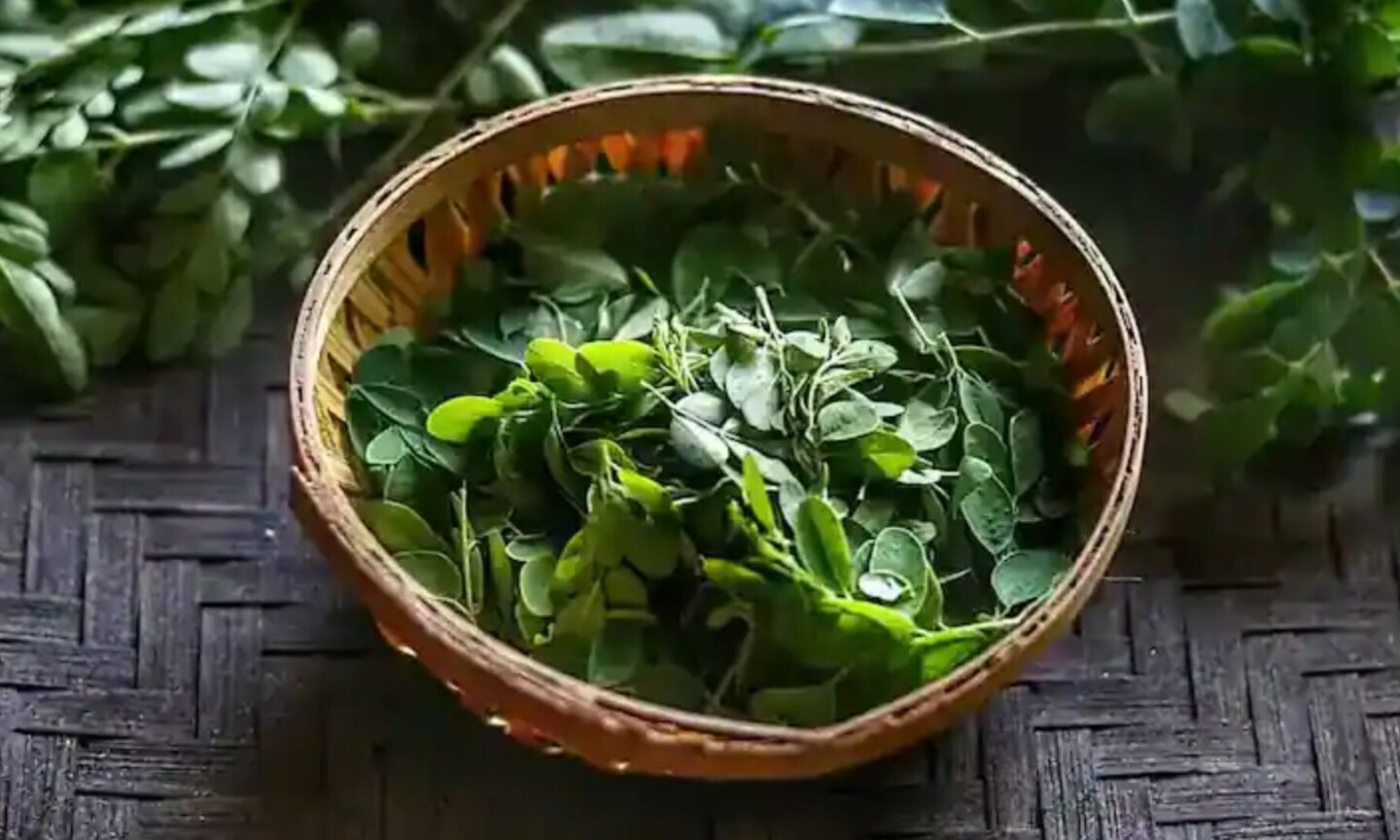
101 Green Leaves of Rongali Bihu: The Legendary Assamese Tradition of 101 Xaak for Health, Immunity & Cultural Renewal
As the much-awaited Bohag Bihu — the vibrant spring festival and Assamese New Year — approaches, households across Assam gear up for joyous celebrations filled with music, dance, colourful attire, and traditional delicacies. Among the many cherished customs, one stands out for its deep connection to nature, agriculture, and holistic wellness: the preparation and consumption of a special dish made with 101 green leaves, locally known as 101 Xaak or Ekho-Ek Bidh Xaak.
This unique culinary ritual, observed especially on Goru Bihu (the first day dedicated to cattle), symbolises renewal, gratitude to nature, and proactive health care. The practice reflects how Assamese folk culture is inseparably linked with the seasons and farming cycles. Just as farmers prepare fields for the new agricultural season, families prepare their bodies by consuming a diverse mix of wild and cultivated leafy greens believed to cleanse the system, strengthen immunity, and protect against seasonal ailments.
The Cultural and Seasonal Significance of 101 Green Leaves in Bihu
Rongali Bihu, also called Bohag Bihu, marks the arrival of spring (Bohag) in the Assamese calendar. It is a time when nature bursts into fresh greenery, flowers bloom, and the air fills with the spirit of rejuvenation. The tradition of eating 101 varieties of xaak (leafy greens and herbs) is more than a festive meal — it is a profound expression of Assamese folk wisdom.
The custom integrates several elements of Assamese life: agricultural preparedness, cultural practices, animal care, and personal health. Elders emphasise keeping both family members and livestock healthy and disease-free during this transitional period, when weather changes can trigger allergies, fevers, digestive issues, and respiratory problems.
Traditional weaving (like gamusa and mekhela chadar), folk music (Bihu naam and husori), beauty rituals, and seasonal cuisine all revolve around the vibrant energy of spring. Interwoven with these is a rare emphasis on health awareness. The 101 green leaves dish embodies this holistic approach — blending joy, playfulness (rong), and spiritual practices into a powerful act of self-care.
Many believe that consuming this special preparation on Bihu ensures good health throughout the year. The bitter, pungent, and astringent tastes of the greens are thought to balance the body’s doshas, purify the blood, improve digestion, and build resistance against common seasonal illnesses.
Why 101 Varieties? A Blend of Tradition, Diversity, and Medicinal Wisdom
The number “101” is symbolic rather than strictly literal in every household. It represents abundance and completeness — gathering as many different edible greens, herbs, flowers, stems, and tender shoots as possible from fields, forests, home gardens, ponds, and riverbanks. In practice, the exact list may vary slightly by region, community, or availability, but the core intent remains the same: to harness nature’s pharmacy at the peak of spring growth.
Scientific interest in this tradition has grown in recent years. Studies document the ethnomedicinal perception behind the practice, noting that many of these plants contain phytochemicals, antioxidants, vitamins, minerals, and bioactive compounds with proven pharmacological activities. Experts from Assam Agricultural University have highlighted that each herb serves a specific purpose — one for skin health, another for the liver, yet another for digestion or immunity.
This seasonal feast acts as a natural detox and immunity booster, helping the body adapt to the shift from winter to spring. The young, tender greens are rich in iron, calcium, magnesium, potassium, vitamins (especially Vitamin C), and fibre. Their collective consumption is believed to cleanse the stomach and blood, improve appetite, strengthen organs, and ward off infections.
The Complete List of 101 Green Leaves (Xaak) and Their Traditional Health Benefits
Here is the detailed list of 101 green leaves traditionally associated with Rongali Bihu, along with their widely recognised benefits in Assamese folk medicine:
- Machandari — Extremely beneficial for diabetes and liver disorders.
- Chirata leaves — Helps cure malaria, diabetes; purifies blood and treats skin diseases.
- Khutura xaak (Green amaranth) — Removes phlegm, relieves pain, and improves digestion.
- Salkuwari (Aloe vera) — Excellent for skin diseases; strengthens digestion, controls diabetes, and relieves constipation.
- Chuka xaak — Cures many vata-related (air-induced) ailments.
- Amita flower (Sour fruit flower) — Anti-carcinogenic properties; improves digestion, strengthens liver, cures ringworm, and heals stomach ulcers.
- Chengmora — Protects against asthma, bronchitis, body pain, and stomach ache.
- Sariyah lati (Mustard creeper) — Removes fever and general pain.
- Kerela leaves (Bitter gourd leaves) — Rich in iron, magnesium, potassium, and Vitamin C; supports liver health, controls diabetes and cholesterol, boosts immunity, reduces body fat, and prevents hair and skin issues.
- Sajina leaves (Drumstick/Moringa leaves) — Strengthens bones, improves digestion, purifies blood, controls diabetes, and helps with sexual weakness.
- Jati lau ar aag (Bottle gourd tips) — Highly nutritious and vitality-enhancing.
- Leheti xaak — Extremely nutritious.
- Jalkia leaves — Increases white blood cells, improves eyesight, lowers blood pressure, prevents infections, and strengthens hair and skin.
- Tengamora — Acts as a remedy for dysentery.
- Jaluk leaves (Black pepper leaves) — Antibacterial; relieves body pain.
- Hati khutura — Effective against dysentery and pain.
- Jika leaves (Ridge gourd leaves) — Highly nutritious; helps with sinus problems.
- Kachu thor (Colocasia stem) — Very rich in iron.
- Gakhirti bon — Cures constipation, nervous disorders, dental problems, and respiratory issues.
- Jilmil xaak — Cures worm problems and increases appetite.
- Changeri (or Tengesi) — Improves memory power.
- Jetulipoka leaves — Helps remove blood deficiency.
- Ronga lau ar aag (Red gourd tips) — Extremely nutritious.
- Jyeshthamadhu leaves — Helpful for heart diseases, phlegm removal, and wound healing.
- Tikoni Borua xaak — Very beneficial for daily consumption by diabetic patients.
- Dhekia (Fiddlehead fern) — Purifies blood and cleanses the stomach.
- Tubuki lota — Highly useful for women with white discharge; anti-carcinogenic and immunity-boosting.
- Dhekia loti — Very useful for rheumatic pain.
- Kachu xaak (Colocasia leaves) — Beneficial for oedema (swelling).
- Kenabon — Useful for skin diseases and diarrhoea; improves digestion.
- Tara gazali — Preventive against intestinal worms.
- Kolmou xaak — Increases breast milk in women and sperm count in men.
- Tita phul — Anthelmintic (worm-destroying).
- Purai xaak — Cures allergies, ringworm, and improves memory.
- Kana shimlu — Filled with medicinal properties.
- Purai xaak — Purifies the blood.
- Bor thekera leaves — Highly nutritious.
- Hachiyati bon — Beneficial for cough, cold, and seasonal diseases.
- Tulsi leaves (Holy basil) — Cures cough, asthma, and phlegm issues.
- Bon jalkia — Acts as an antiseptic.
- Bon jaluk — Can cure numerous skin and stomach diseases.
- Dahi kachu — Cures threadworms and constipation.
- Pani kachu — Removes iron deficiency.
- Chuka xaak — Very beneficial for intestinal health.
- Bor tengesi — Improves memory.
- Mula xaak (Radish leaves) — Cures kidney diseases and asthma.
- Dupor tenga — Preventive against urinary problems, kidney issues, and jaundice.
- Burali bukuwa — Very useful for dysentery and urinary problems.
- Nephaphu — Helps control high blood pressure.
- Dubari bon — Cures menstrual problems and boosts disease resistance.
- Nohoru leaves (Garlic leaves) — Improves digestion and controls high blood pressure.
- Kukura thengiya xaak — Cures dental problems, cancer, diabetes, fever, and itching.
- Doron xaak — Improves digestion and relieves many diseases.
- Goru khich — Beneficial for arthritis, diarrhoea, and skin diseases.
- Keharaj — Used traditionally in hair dye; helps with indigestion and stomach problems.
- Monowa xaak — Strengthens immunity and cures liver diseases, especially piles.
- Til leaves (Sesame leaves) — Possess many medicinal qualities.
- Jogya dimoru leaves — Used in worship; good for nutrition and stomach issues.
- Piralipaleng — Rich source of vitamins.
- Nilaji bon — Helps control diarrhoea, diabetes, and piles.
- Dhania (Coriander) — Cures anaemia, skin diseases, and heart problems.
- Narsingh — Improves eyesight and relieves stomach pain.
- Dupor tenga — Helpful for kidney and urinary diseases.
- Podina (Mint) — Removes stomach problems and purifies blood.
- Ronga lau aag — Strengthens teeth and improves eyesight.
- Bor manimuni — Strengthens nervous system and cures stomach ailments.
- Soru manimuni — Daily use improves memory.
- Pachotiya leaves — Cures cough and skin diseases.
- Moricha — Helps maintain normal bowel movements and has anti-cancer properties.
- Babari xaak — Removes worms and improves eyesight.
- Titabahak xaak — Cures asthma, bronchitis, sore throat, and cough.
- Bilahi leaves (Tomato leaves) — Makes skin smooth and increases blood.
- Dhatura — Beneficial for asthma and nervous disorders.
- Bhedai lota — Useful for any stomach problem.
- Piyaj leaves (Onion leaves) — Antibacterial against tuberculosis and oral infections.
- Bihlongoni — Cures body pain.
- Man dhania (Naga/Bengali coriander) — Enhances food taste and digestion.
- Bhangar aag — Improves mood and appetite.
- Kalmegh leaves — Famous liver medicine; purifies blood and cures malaria and diabetes.
- Sewali flower (Night-flowering jasmine) — Worm-destroying; beneficial during fever.
- Ponounowa — Very useful for goitre patients.
- Nuni leaves — Controls blood sugar and increases vitality.
- Sewali flower leaves — Beneficial for fever and pneumonia.
- Madhusoleng — Solves all stomach-related problems including dysentery.
- Venkuri tita leaves — Purifies blood.
- Borhmothuri — Antibacterial.
- Paleng (Spinach) — Beneficial for blood, bile, children’s ailments, and skin.
- Lai xaak (Mustard greens) — Boosts immunity, strengthens heart, and acts as cancer preventive.
- Bishalyakarani — Medicine for cuts and wounds; relieves pain.
- Lofa xaak — Remedy for kidney stones, asthma, and bronchitis.
- Laijabori — Useful for sinus and removes phlegm.
- Betgach leaves (Bamboo leaves) — Increases blood and useful against worms.
- Majathi xaak — Antibacterial; beneficial for diabetes and kidney stones.
- Mahanim leaves — Purifies blood and effective against malaria and diabetes.
- Madhuri aam leaves — Anti-diarrhoeal properties.
- Mati kanduri — Useful for stomach ailments.
- Morolia xaak — Cleanses stomach and heals ulcers.
- Brahmi xaak — Improves memory and effective against epilepsy.
- Methi xaak (Fenugreek leaves) — Controls diabetes and other ailments.
- Sukloti xaak — Relieves joint pain.
- Kath alu leaves (Yam leaves) — Good source of Vitamin B6, B1, folic acid, and Vitamin C; acts as a strength tonic.
How the 101 Green Leaves Dish is Prepared and Consumed
The greens are carefully cleaned, finely chopped, and cooked together — often with minimal spices to retain their natural medicinal properties. Some families add a bit of salt, turmeric, or mustard oil. The dish is typically eaten on the first or any of the seven days of Bihu. Its slightly bitter and complex taste is embraced as a sign of its healing power.
In modern times, urbanisation and shrinking green spaces have made gathering all 101 varieties challenging. However, many passionate individuals and farmers now collect and deliver packets of these traditional xaak to households, helping preserve the custom.
Modern Relevance and Scientific Backing
Today, this ancient practice aligns remarkably with contemporary wellness trends. The 101 green leaves offer a natural, seasonal multivitamin and detox package. Consuming diverse wild edibles increases microbial diversity in the gut, enhances antioxidant intake, and supports overall resilience — benefits increasingly validated by ethnobotanical research.
As Assam celebrates Rongali Bihu 2026, reviving or adapting this tradition can be a powerful way to honour cultural roots while promoting preventive health in an era of lifestyle diseases.
Whether you gather the full set or a substantial portion, incorporating these nutrient-dense greens during spring can be a meaningful step toward better health. The message from generations of Assamese elders remains clear: nature provides the best medicine at the right time — we only need to recognise and respect it.
This Bihu, let the 101 green leaves not just nourish your body but also reconnect you with Assam’s rich ecological and cultural heritage.