
Shocking Crash: Small Plane Hits Beijing’s Tallest Tower
A small aircraft crashes in Beijing’s tallest building on Friday, sending shockwaves through the Chinese capital and sparking intense global attention. The dramatic incident involving a small plane striking the iconicCITIC Tower, also known as China Zun, has raised serious questions about aviation safety and strict airspace regulations in one of the world’s most controlled skies.
According to the global flight tracking service Flightradar24, the aircraft — a Sunward SA 60L Aurora with registration B-12PP — took off from an airport approximately 50 kilometers (30 miles) east of Beijing. The plane was heading westward before its flight path abruptly ended just east of the East Third Ring Road shortly before 6 p.m. local time. The crash occurred directly into the 108-story CITIC Tower, which stands taller than 1,700 feet (528 meters) and is one of Beijing’s most recognizable landmarks due to its unique shape resembling an ancient Chinese wine vessel.
Details of the Small Aircraft Crashes In Beijing Incident
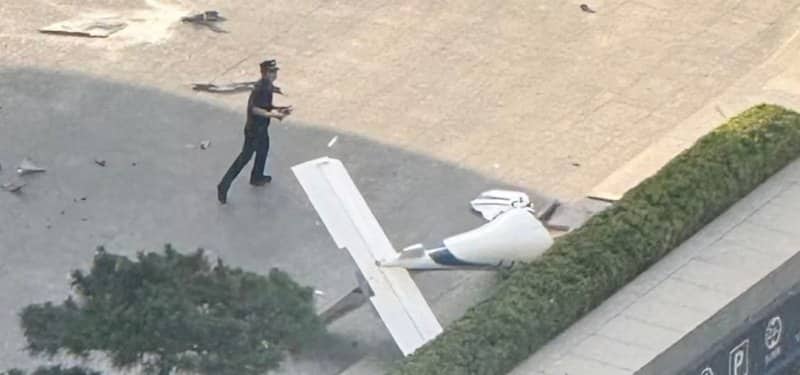
Witnesses reported seeing the small aircraft collide with the skyscraper in the bustling business district. Images and videos circulating on social media (outside China’s firewall) show debris from the plane near the tower and what appears to be a hole in the glass facade. One image reportedly displays a partial registration number “B-12,” matching the full registration B-12PP of the involved aircraft.
A person working inside the building told The Associated Press that an aircraft had crashed into the structure, triggering a fire alarm. The employee spoke anonymously due to fear of retaliation, highlighting the sensitivity of such incidents in China. Heavy police presence, fire engines, and ambulances quickly arrived at the scene. Onlookers gathered to take photos, but authorities promptly asked them to stop and disperse.
As of now, the cause of this small aircraft crashes in Beijing event remains unclear. Chinese authorities have not issued any official statement, and state media has not reported on the crash. Social media posts within China about the incident have reportedly been scrubbed. There is no immediate information on casualties, either onboard the plane or on the ground. Details about the pilot are also unavailable.
Flightradar24’s confirmation and the shared flight path data have been crucial in piecing together the timeline of this China plane crash. The aircraft’s sudden deviation and impact in a city with extremely tight airspace controls — including a recent ban on consumer drones — has left many aviation experts puzzled.
Background on Beijing’s Tallest Building: CITIC Tower
The CITIC Tower, often called China Zun, dominates Beijing’s skyline in a cluster of skyscrapers just east of a major ring road. Its distinctive architectural design pays homage to traditional Chinese culture while representing modern engineering prowess. At 528 meters tall with 108 stories, it serves as a hub for business and finance in the heart of the capital.
Incidents like this small aircraft crashes in Beijing are exceptionally rare due to the country’s stringent aviation regulations. Beijing maintains some of the most restricted airspace in the world, especially around key government and commercial zones. Just last month, authorities enacted new curbs that effectively banned the sale and operation of consumer drones within the capital, further tightening already rigorous controls.
Implications and Reactions to the China Plane Crash
The crash has drawn comparisons to other recent aviation accidents globally, though details specific to this event are still emerging. International observers are closely watching how Chinese officials respond, given the sensitivity surrounding any negative news in the country. The lack of official statements and the apparent censorship on domestic platforms contrast with the rapid spread of footage and images overseas on platforms like X.com.
This incident occurs amid heightened global tensions, as seen in related news such as US strikes on Iran and maritime concerns in the Strait of Hormuz, though no direct connection exists. For Beijing, maintaining an image of control and safety is paramount, making this small aircraft crashes in Beijing story particularly significant.
Emergency services responded swiftly, and the area around the East Third Ring Road was secured. Photos from The Associated Press capture the damage and the immediate aftermath, including a passerby attempting to photograph the scene before being moved along by police.
Aviation Safety in China: Context for the Beijing Crash
China has invested heavily in its aviation infrastructure, boasting one of the largest and fastest-growing air travel markets. However, general aviation — especially small aircraft like the Sunward SA 60L Aurora — operates under very strict oversight. The Sunward SA 60L is a light aircraft often used for training or recreational purposes, making its involvement in a high-profile urban crash all the more unexpected.
Experts speculate on possible factors such as mechanical failure, pilot disorientation, or unauthorized flight paths, though no evidence has been confirmed. The fact that the plane took off from a nearby airport and flew toward the city center before crashing raises questions about air traffic control and monitoring systems.
Global Interest and SEO-Relevant Updates on Small Aircraft Crashes In Beijing
As news of the small aircraft crashes in Beijing spreads, international media outlets are seeking more information. The Associated Press report provides the most credible details currently available. Searches for “Small Aircraft Crashes In Beijing,” “China Plane Crash CITIC Tower,” or “Beijing Tallest Building Incident” are likely to surge in the coming days.
Related global stories include a founder of Ubisoft killed in a plane crash in France and a small plane incident on a Texas highway, illustrating that aviation accidents continue to capture public attention worldwide. However, this Beijing event stands out due to the target — one of China’s most prominent skyscrapers — and the tight information control surrounding it.
What We Know So Far and Ongoing Developments
- Aircraft: Sunward SA 60L Aurora, registration B-12PP
- Time: Shortly before 6 p.m. local time on June 26, 2026
- Location: CITIC Tower (China Zun), Beijing’s tallest building
- Status: Cause unknown; no official casualty figures released
- Response: Emergency services on site, area secured, information restricted domestically
Authorities are expected to investigate thoroughly, though updates may be limited. The international community will watch for any transparency regarding this shocking China plane crash.
This incident serves as a stark reminder of the vulnerabilities that exist even in highly regulated environments. For residents and businesses in Beijing’s central business district, the event has caused temporary disruption and heightened alertness.
As more details emerge about the small aircraft crashes in Beijing, this page will be updated. Stay tuned for the latest on this developing story involving Beijing’s tallest building and the mysterious circumstances of the crash.