Petrol Price Today: Rs 3 Per Litre Hike in Petrol and Diesel Across India – Latest Prices in Delhi, Mumbai, Kolkata, Chennai on May 15, 2026
Petrol Price Today: Major Rs 3 Hike Hits Consumers as Oil Companies Pass on Global Crude Surge
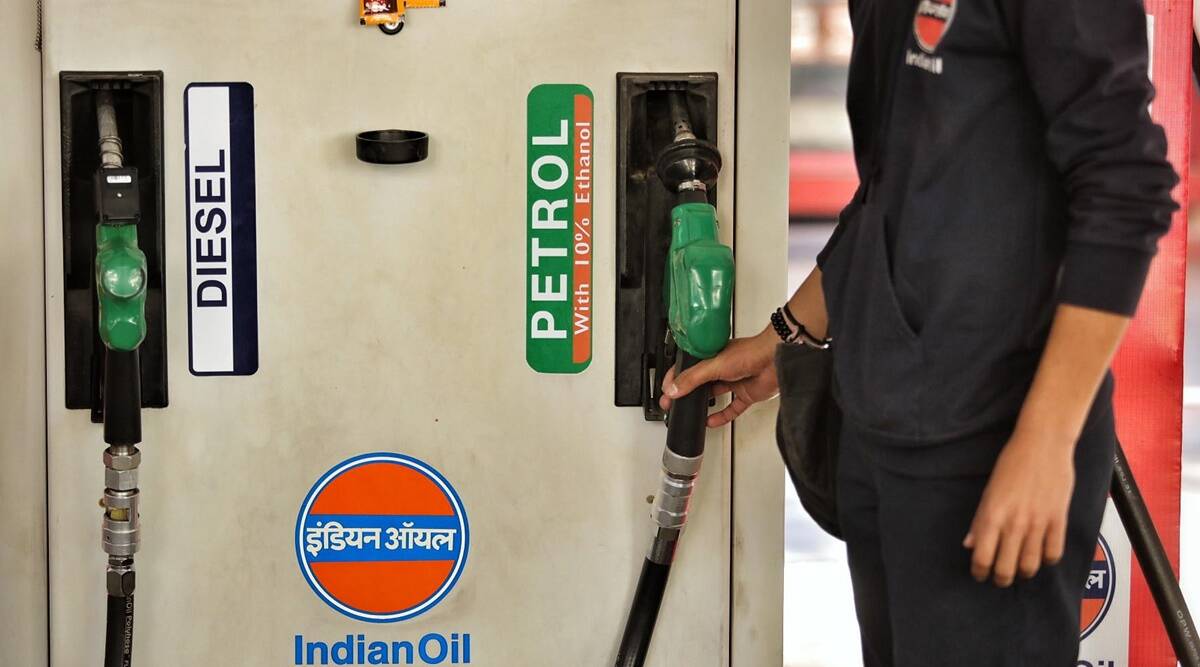
In a significant development on Friday, May 15, 2026, petrol and diesel prices were increased by Rs 3 per litre each across India. Oil marketing companies (OMCs) like IOCL, BPCL, and HPCL passed on part of the sharp rise in global energy prices to consumers, marking the first notable revision in retail fuel rates in years.
This hike comes amid ongoing geopolitical tensions, including the Iran conflict and disruptions in the Strait of Hormuz, which have tightened global oil supplies. Despite the increase, the Centre has firmly stated there is no fuel shortage and no plans for rationing of petrol, diesel, or LPG.
Petrol Price Today in Major Cities (as of May 15, 2026):
- Delhi: Petrol now costs Rs 97.77 per litre (up Rs 3 from Rs 94.77)
- Kolkata: Petrol at Rs 108.74 per litre (up Rs 3.29)
- Mumbai: Petrol at Rs 106.68 per litre (up Rs 3.14)
- Chennai: Petrol at Rs 103.67 per litre (up Rs 2.83)
Diesel Price Today in Major Cities:
- Delhi: Rs 90.67 per litre (up Rs 3)
- Kolkata: Rs 95.13 per litre (up Rs 3.11)
- Mumbai: Rs 93.14 per litre (up Rs 3.11)
- Chennai: Rs 95.25 per litre (up Rs 2.86)
These rates reflect the new prices effective from early morning today. Consumers are advised to check local pump prices as minor variations due to local taxes and dealer commissions may apply.
Why Petrol and Diesel Prices Have Increased: Global Factors at Play
The primary trigger for today’s hike is the sustained spike in international crude oil prices. The ongoing Iran conflict has led to significant disruptions in oil shipments through the Strait of Hormuz, a critical chokepoint responsible for about one-fifth of global seaborne crude oil and LNG trade. This has caused Brent crude to surge well above $100 per barrel levels, putting immense pressure on oil marketing companies’ margins.
Oil companies had been absorbing losses for an extended period to shield consumers, but mounting under-recoveries—reportedly in thousands of crores—necessitated this partial pass-through. Analysts note that OMCs were facing losses of around Rs 14-18 per litre or more on petrol and diesel before the adjustment.
The government and industry sources had been indicating a possible revision around mid-May as geopolitical risks in West Asia escalated. The Strait of Hormuz crisis has amplified supply concerns, with multiple reports highlighting production cuts and shipping disruptions in the Gulf region.
Government Assurance: No Shortage, No Rationing
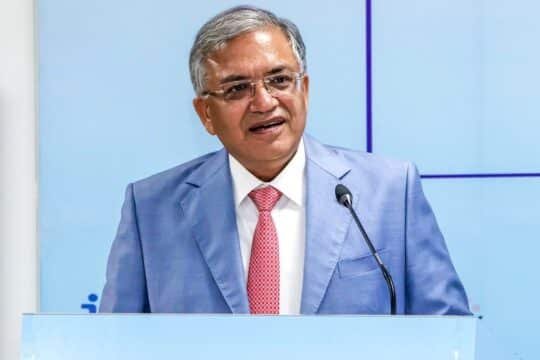
Addressing public concerns, Oil Secretary Neeraj Mittal stated at the recent CII Annual Business Summit: “There is no need to panic. There are sufficient supplies. There is no rationing in place. It’s not going to happen.”
The Centre has repeatedly asserted that India maintains adequate buffer stocks and diversified import sources to handle the current global volatility. Despite the Iran-related disruptions, alternative supply routes and strategic reserves are ensuring uninterrupted availability of petroleum products nationwide.
This message is crucial as rumors of shortages could lead to unnecessary panic buying at fuel stations. Authorities urge citizens to continue normal consumption patterns.
Impact on Common Citizens and Economy
A Rs 3 per litre increase in petrol and diesel will have a cascading effect on the economy. Transportation costs are expected to rise, potentially impacting prices of essential commodities like vegetables, milk, and groceries. For daily commuters and those relying on personal vehicles, monthly fuel expenses could go up by several hundred rupees depending on usage.
Logistics and fleet operators, who run on thin margins, may pass on higher costs to businesses and end consumers. This could contribute to inflationary pressures in the coming weeks, though the government is monitoring the situation closely.
On the positive side, the hike helps stabilize the financial health of public sector OMCs, which play a vital role in India’s energy security. Healthier balance sheets for companies like Indian Oil, Bharat Petroleum, and Hindustan Petroleum could support better infrastructure investments and dividend payouts.
Historical Context of Fuel Price Changes in India
India deregulated petrol prices in 2014 and diesel in 2017, allowing market-linked pricing with daily revisions. However, political and economic considerations have often led to periods of price freezes, especially before elections or during global shocks.
The last major sustained hikes were years ago. The current four-year approximate freeze (with only minor adjustments) amid rising global prices had built up significant under-recoveries. Today’s hike ends that extended pause, aligning domestic rates more closely with international benchmarks.
State-specific taxes (VAT, excise) continue to influence final pump prices, explaining variations across cities like Mumbai (high taxes) and Delhi.
What Consumers Should Do Now
- Track Prices Daily: Fuel rates can change every day at 6 AM. Use official apps or reliable websites for “petrol price today” updates in your city.
- Fuel Efficiency Tips: Opt for carpooling, public transport, or maintain optimal tire pressure and driving habits to minimize consumption.
- Budget Planning: Factor in higher commuting costs. Two-wheeler and four-wheeler owners in metros will feel the pinch immediately.
- CNG/LPG Alternatives: Where available, consider switching to cleaner and relatively stable-priced options, though CNG prices also saw a minor upward revision of around Rs 2 per kg in some areas.
- Monitor Global Cues: Keep an eye on crude oil trends and geopolitical developments for future price movements.
Broader Global Energy Scenario
The 2026 Iran conflict has reshaped energy markets. Disruptions in the Strait of Hormuz have led to one of the largest supply shocks in recent history, with estimates of millions of barrels per day offline. This has ripple effects on inflation, currencies, and growth worldwide.
India, being a major importer, remains vulnerable but benefits from long-term contracts, strategic petroleum reserves (SPR), and increasing domestic production efforts through initiatives like HELP and renewable energy push.
Experts suggest that while short-term pain is inevitable, diversified energy policy—including biofuels, EVs, and solar—will reduce future dependence on imported crude.
Expert Opinions and Analyst Views
Economists note that timely pass-through of costs prevents larger fiscal burdens on the exchequer. The IMF has previously cautioned against excessive shielding of consumers from global price signals, as it distorts markets and affects government finances.
Stock markets may react positively to OMC results due to improved realizations post-hike. However, broader sectoral impacts on transport and logistics need watching.
City-Wise Petrol Diesel Price Tables (Updated May 15, 2026)
Petrol Prices:
- Delhi: Rs 97.77 (+3)
- Kolkata: Rs 108.74 (+3.29)
- Mumbai: Rs 106.68 (+3.14)
- Chennai: Rs 103.67 (+2.83)
Diesel Prices:
- Delhi: Rs 90.67 (+3)
- Kolkata: Rs 95.13 (+3.11)
- Mumbai: Rs 93.14 (+3.11)
- Chennai: Rs 95.25 (+2.86)
Prices in smaller cities and rural areas follow similar trends with local adjustments.
Conclusion: Stay Informed on Petrol Price Today
Today’s petrol price today hike of Rs 3 per litre reflects global realities rather than domestic policy failure. While it increases the burden on the aam aadmi, government assurances on supply stability are comforting amid international uncertainties.
For the latest “petrol price today” and “diesel price today” updates, bookmark this page or follow reliable news sources. We will continue monitoring developments, including any further revisions or relief measures from the government.
As India navigates this energy challenge, a balanced approach combining prudent pricing, strategic reserves, and long-term energy transition remains key to safeguarding economic growth and consumer interests.