National Voluntary Blood Donation Day 2026: One Drop of Humanity Saves Lives
National Voluntary Blood Donation Day is observed every year on 1 October across India. This important occasion honours voluntary, unpaid blood donors and promotes a culture of regular, safe, and selfless blood donation. In 2026, the day carries special significance with the official theme “One Drop of Humanity. Give Blood. Save Lives.” A nationwide campaign runs from 17 September to 2 October 2026, culminating on Gandhi Jayanti, to strengthen the spirit of Jan Bhagidari and ensure adequate blood supply for patients in need.
History and Origin of National Voluntary Blood Donation Day
The roots of National Voluntary Blood Donation Day go back to 1975. The Indian Society of Blood Transfusion and Immunohaematology (ISBTI), founded in 1971 under the leadership of Dr. J.G. Jolly (widely regarded as the Father of Transfusion Medicine in India) and Mrs. K. Swaroop Krishen, declared 1 October as the day to promote voluntary blood donation. Dr. Jolly chose his own birthday for this purpose, turning a personal milestone into a national call for humanitarian action.
Earlier efforts included the establishment of India’s first blood bank in Kolkata in 1939 and voluntary donation drives initiated by social reformer Leela Moolgaokar in Mumbai from 1954. The HIV crisis of the 1980s and the formation of the National AIDS Control Organisation (NACO) further accelerated the shift from paid and replacement donors to voluntary, non-remunerated donation — the gold standard for blood safety. Today, the National Blood Transfusion Council oversees the observance, and the day continues to inspire awareness campaigns, blood donation camps, and pledges across the country.
Why National Voluntary Blood Donation Day Matters
India faces a persistent gap between blood demand and supply. Estimates indicate the country needs around 14–15 million units of blood annually, yet collections often fall short. While voluntary donations have risen significantly over the years (from roughly 54% in the mid-2000s to over 70–80% in recent periods), replacement donations by patients’ families still account for a substantial share. Voluntary blood from healthy, unpaid donors is safest because it reduces the risk of transfusion-transmissible infections and ensures a steady, predictable supply.
Every two seconds, someone in India needs blood. One unit can be separated into red cells, platelets, and plasma and help up to three patients — trauma victims, women with childbirth complications, cancer patients, children with thalassemia or sickle-cell disease, and those undergoing major surgery. National Voluntary Blood Donation Day highlights this life-saving potential and encourages citizens to move from one-time or family-only donation to regular voluntary contribution.
2026 Theme and Nationwide Campaign
The 2026 theme, “One Drop of Humanity. Give Blood. Save Lives,” aligns with the global World Blood Donor Day message and emphasises compassion, solidarity, and collective responsibility. The Ministry of Health and Family Welfare has urged ministries, departments, autonomous bodies, NGOs, the Indian Red Cross Society, educational institutions, and local bodies to organise awareness programmes, blood donation camps, and pledge-taking ceremonies.
A special focus is placed on rural outreach, youth participation, and dispelling myths about blood donation. Chief Ministers and health authorities in several states have issued public appeals. For example, Uttarakhand CM Pushkar Singh Dhami described voluntary blood donation as “mahadan” — the greatest gift — and urged healthy residents to donate regularly while assuring them that the process is safe and beneficial.
Benefits of Voluntary Blood Donation — For Donors and Recipients
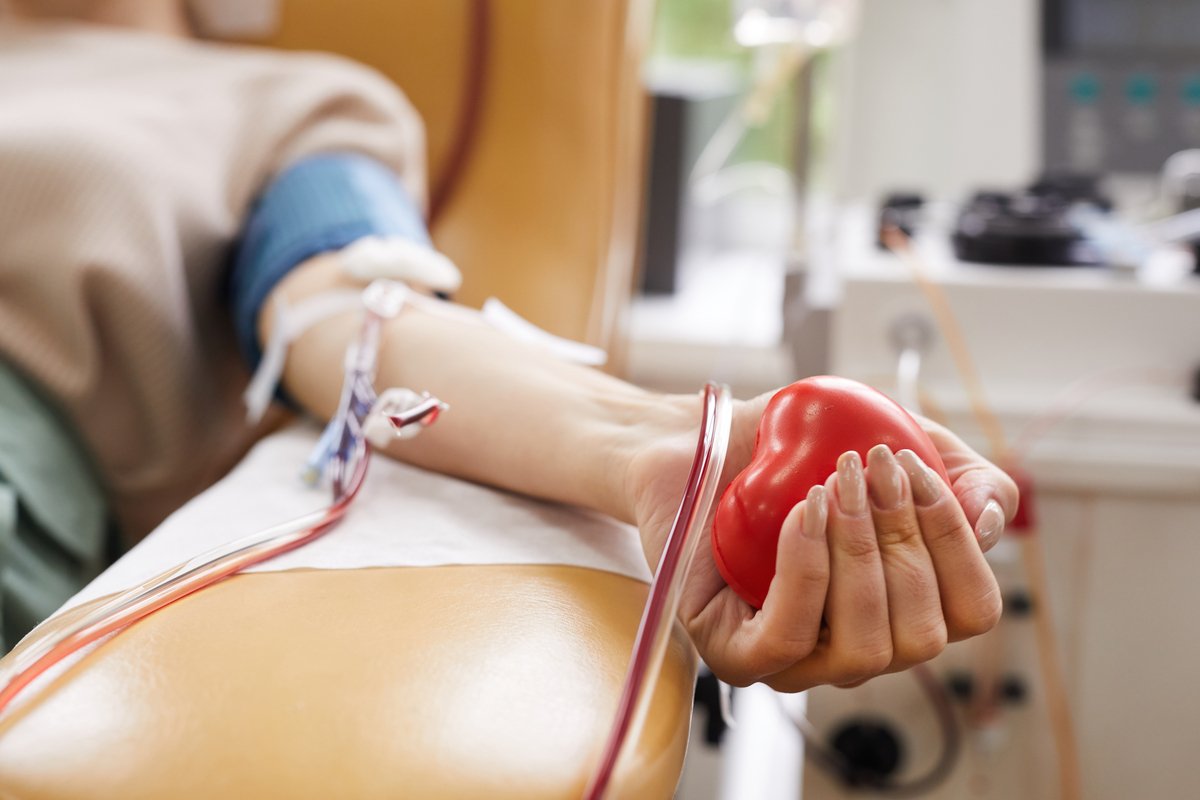
Donating blood is safe for eligible healthy adults. Before donation, donors undergo a brief medical screening that checks haemoglobin, blood pressure, and general fitness. This free mini health check often helps detect issues early.
Scientific evidence shows several benefits for regular donors:
- Lower risk of heart disease and reduced blood viscosity
- Better regulation of iron levels, which may lower certain cancer risks associated with excess iron
- Stimulation of new blood cell production
- Psychological reward and sense of purpose from helping others
Recipients gain immediate life-saving support. Blood components treat anaemia, clotting disorders, burns, organ transplants, and emergency trauma. In a country as large and diverse as India, a robust voluntary donor base is essential for disaster preparedness and routine healthcare.
How to Participate on National Voluntary Blood Donation Day
Anyone aged 18–65 (with some upper limits varying by centre), weighing at least 45–50 kg, and in good health can donate, subject to screening. Key eligibility points include:
- Adequate haemoglobin levels
- No recent illness, surgery, or certain medications
- Sufficient gap between successive donations (usually 3 months for whole blood)
On and around 1 October 2026, blood banks, hospitals, Red Cross branches, colleges, offices, and community centres will host camps. Citizens can:
- Locate the nearest camp through state blood transfusion councils, hospital websites, or apps.
- Take the official pledge to donate regularly.
- Encourage friends, family, and colleagues to join.
- Share accurate information on social media using relevant hashtags.
Myths such as “blood donation weakens the body permanently” or “it is only for relatives” continue to deter potential donors. National Voluntary Blood Donation Day provides the perfect platform to address these misconceptions through education and positive storytelling from regular donors.
The Road Ahead — Building a Culture of Regular Donation
Achieving 100% voluntary blood donation remains a national goal. Progress has been made through policy support (National Blood Policy 2002), better regulation of blood banks, and growing public awareness. Yet sustained effort is required. Young people, especially in colleges and workplaces, represent a huge untapped reservoir of potential donors. Corporate social responsibility programmes, celebrity endorsements, and digital campaigns can amplify the message.
Governments, NGOs, and civil society must continue to improve donor retention, ensure transparent and respectful experiences at donation centres, and maintain the highest safety standards. Every successful camp and every new regular donor brings India closer to self-sufficiency in safe blood.
A Call to Action
On this National Voluntary Blood Donation Day, let us remember that one drop of blood carries the power of humanity. Whether you are a first-time donor or a veteran who has given dozens of times, your contribution matters. Walk into a blood donation camp, register, and become part of a chain that saves lives every single day.
The theme for 2026 — “One Drop of Humanity. Give Blood. Save Lives” — is more than a slogan. It is an invitation to every Indian to turn compassion into concrete action. By donating voluntarily and regularly, we honour the vision of pioneers like Dr. J.G. Jolly and ensure that no patient suffers because blood was unavailable.
Mark 1 October on your calendar. Donate. Encourage others. Save lives. Together, we can make voluntary blood donation a way of life and strengthen the health security of the nation.