PM Modi Urges Citizens to Reduce Fuel Consumption and Avoid Gold Purchases Amid Global Economic Crisis: Full Details from Hyderabad Rally
PM Modi Calls for National Resolve: Reduce Fuel Consumption to Shield India from Global Economic Turmoil
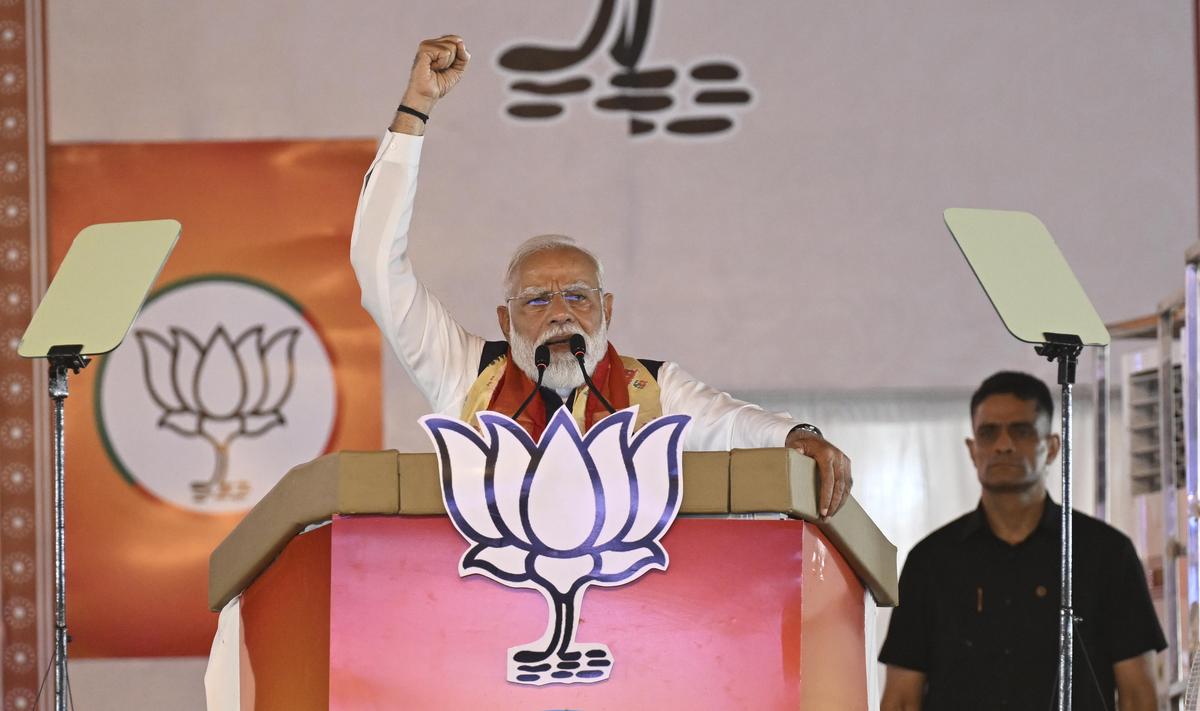
Hyderabad, May 11, 2026: In a powerful address that resonated with thousands of supporters, Prime Minister Narendra Modi on Sunday urged citizens across India to actively reduce fuel consumption as part of a collective effort to strengthen the nation’s economic resilience amid ongoing global crises. Speaking at a massive BJP public meeting at the Secunderabad Parade Grounds in Hyderabad, Telangana, the Prime Minister highlighted the severe disruptions caused by international conflicts, particularly in West Asia, and supply chain issues stemming from the Covid-19 pandemic aftermath.
This rally marked a significant moment for the BJP in Telangana, with Modi expressing confidence in the party’s rising popularity in the state, drawing parallels to the recent developments in West Bengal. The event combined economic appeals with sharp political messaging and announcements of major development projects for the region.
Global Economic Pressures and India’s Proactive Response
Prime Minister Modi painted a detailed picture of the challenges facing the world economy. He pointed to wars and geopolitical tensions that have severely impacted global supply chains, leading to skyrocketing prices of essential commodities like oil and fertilizers in many countries. Neighbouring nations are already feeling the heat, but India, under the NDA government, has worked tirelessly to insulate its citizens from the worst effects.
“Supply chains across the world had been severely affected, leading to rising prices in neighbouring countries as well,” Modi noted. The government has ensured that the burden of rising oil prices does not heavily affect common people in India through careful policy measures and subsidies.
A key highlight of his speech was the direct appeal to citizens: reduce fuel consumption to conserve foreign exchange reserves and build long-term self-reliance. “We will overcome the petrol and diesel problems in the country by talking to various countries. In the long run, we should reduce oil consumption,” he emphasized.
Practical Steps to Reduce Fuel Consumption
Modi outlined several actionable strategies for Indians to reduce fuel consumption in daily life:
- Promote Electric Vehicles (EVs): The government is pushing EV adoption aggressively to decrease dependence on traditional petrol and diesel.
- Railway Sector Reforms: Significant reduction in diesel usage through electrification and other measures.
- Public Transport and Carpooling: In cities with metro services, prioritize metro rail. Where cars are necessary, opt for carpooling.
- Work from Home (WFH): Revive pandemic-era practices of remote work and video conferencing to cut unnecessary travel.
- Freight Movement: Shift more goods transport to railways.
These measures are expected to substantially decrease India’s dependence on petrol and diesel in the near future, saving precious foreign exchange while supporting environmental goals. Experts note that India’s oil import bill is a major component of the current account, and collective citizen action can make a meaningful difference during volatile global prices.
The call to reduce fuel consumption comes at a critical time. With global oil prices elevated due to conflicts in West Asia, including disruptions linked to the US-Iran tensions, conserving fuel has become not just an economic necessity but a patriotic duty, according to the Prime Minister.
Avoid Buying Gold for a Year: Saving Foreign Exchange
Complementing the fuel conservation message, Modi appealed to citizens to pause non-essential gold purchases for one year, especially during festivals and auspicious occasions. “Let’s stop buying gold for a year. If gold imports decrease, foreign exchange will increase,” he said.
Gold imports are a significant drain on India’s foreign reserves. By reducing demand, the country can bolster its economic buffers against external shocks. This appeal aligns with broader advice to avoid non-essential foreign travel and prioritize Made-in-India products.
Shielding Farmers: Massive Urea and Fertilizer Subsidies
Modi highlighted the government’s commitment to agriculture amid rising global fertilizer prices. While a bag of urea costs around Rs. 3,000 in many countries, Indian farmers get it for less than Rs. 300 thanks to heavy subsidies. This support has been crucial as global prices surged due to supply disruptions from conflicts.
The Centre has increased nutrient-based subsidies to protect farmers during the sowing season, ensuring food security for the nation despite international headwinds.
Development Push for Telangana: Zaheerabad and Beyond
Beyond economic appeals, the Prime Minister used the platform to announce key initiatives for Telangana’s growth:
- Zaheerabad Industrial Corridor: Sanctioned to boost industrial development and create thousands of jobs.
- PM MITRA Textile Park: One of seven allotted nationwide has been given to Telangana, with the Kakatiya Textile Park expected to generate employment and enhance the textile sector.
Modi recalled Telangana’s historical contribution to the BJP, noting it elected a BJP MP when the party had only two nationally. He expressed strong confidence that the BJP would form the government in the state, citing public enthusiasm similar to West Bengal, where people rejected “family rule” and dictatorial models.
He sharply criticized the Congress and BRS (now Bharat Rashtra Samithi) as family-run parties, contrasting them with the development-focused NDA. “The Congress policy is to first win votes and then forget about the people,” Modi alleged, referencing issues in Karnataka and drawing parallels to Telangana.
Political and Cultural Connect
The rally began with Modi greeting the crowd in Telugu, eliciting loud cheers. In a personal touch, he instructed SPG personnel to collect paintings from BJP workers and promised to write letters to the artists personally.
The event underscored BJP’s strategy in Telangana: combining national economic messaging with local development promises and anti-family-politics attacks to position itself as the alternative to incumbent parties.
Why This Matters: Broader Context of India’s Economic Strategy
India, as the world’s third-largest oil consumer, faces unique challenges and opportunities. By encouraging citizens to reduce fuel consumption, the government aims to mitigate the impact of high global crude prices without excessively burdening the exchequer through subsidies alone. Long-term shifts towards EVs, renewables, and efficient logistics are central to Atmanirbhar Bharat (Self-Reliant India).
Economists suggest that sustained citizen participation in such campaigns can help stabilize the rupee, improve the current account balance, and free up resources for infrastructure and social welfare. The fertilizer subsidy story similarly illustrates the balancing act between fiscal prudence and protecting vulnerable sectors like agriculture, which employs a large portion of the population.
Modi’s speech also revives elements of pandemic-era behavioral changes—work from home, reduced travel—adapted to current geopolitical realities. With supply chains still fragile, such calls promote not just savings but innovation in lifestyle and consumption patterns.
Public Reaction and Expected Impact
The Secunderabad Parade Grounds witnessed massive turnout, reflecting strong support for the BJP in Telangana. Social media buzzed with discussions on practical ways to reduce fuel consumption, from carpool apps to EV incentives.
For middle-class families, these suggestions offer tangible ways to contribute to national goals while potentially saving on household expenses. Businesses, especially in logistics and transport, may accelerate shifts to greener alternatives with policy backing.
Analysts believe these appeals, if widely adopted, could reduce import dependency, support forex reserves, and position India better against future global shocks. The development announcements for Telangana are likely to boost investor confidence in the region, aligning with the vision of ‘Viksit Telangana’ as part of ‘Viksit Bharat’.
Conclusion: A Call for Collective Action
Prime Minister Narendra Modi’s address in Hyderabad was more than a political rally—it was a nationwide call to action. By urging citizens to reduce fuel consumption, curtail gold imports, and embrace sustainable practices, he emphasized that economic resilience requires partnership between government and people.
As India navigates complex global waters marked by wars, inflation, and disruptions, such leadership in promoting conservation, self-reliance, and development offers a roadmap forward. The coming months will test how effectively these messages translate into action across households, cities, and states.
The BJP’s aggressive push in Telangana, backed by concrete projects like the Zaheerabad Industrial Corridor and PM MITRA Park, signals serious intent to expand its footprint in South India. For now, the focus remains on citizens doing their bit—starting with small changes in fuel use and consumption habits—that can collectively yield big results for the nation.