Zojila Tunnel Breakthrough 2026: Historic All-Weather Connectivity for Ladakh | Nitin Gadkari to Trigger Final Blast
Zojila Tunnel Breakthrough Delivers Massive Victory for India’s Strategic Frontiers
In a monumental achievement for India’s infrastructure prowess, the ambitious Zojila Tunnel is set to witness its final breakthrough blast on Tuesday, June 9, 2026. Union Minister Nitin Gadkari will preside over this historic event at the eastern portal in Kargil, ushering in a new era of unbreakable connectivity for the strategically vital Ladakh region.
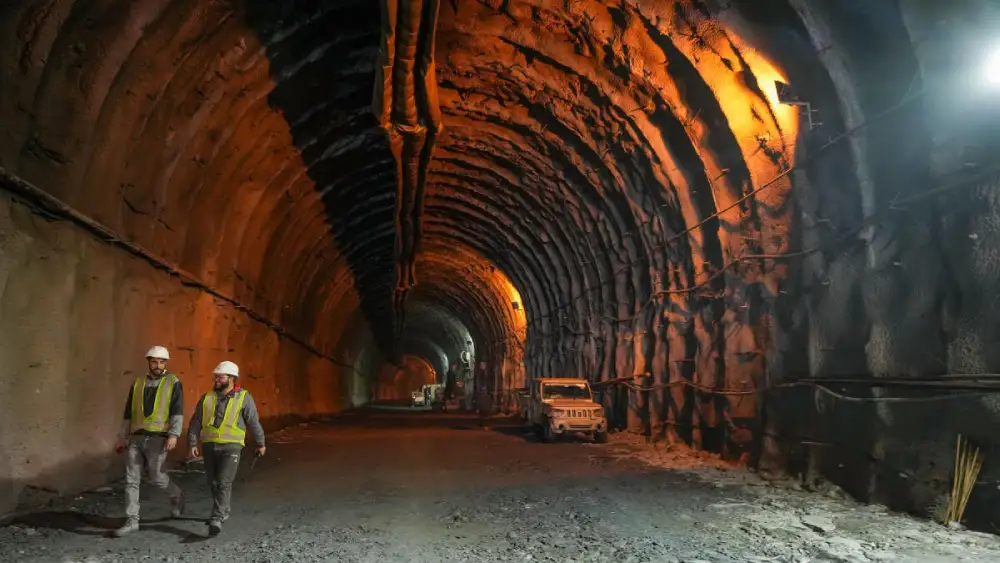
This 13.153-km engineering marvel, touted as the world’s longest single-tube bi-directional road tunnel at a staggering altitude of 11,578 feet, promises to revolutionize travel, trade, tourism, and national security in one of the world’s most challenging terrains.
The Long-Awaited Zojila Tunnel: Overcoming Himalayan Hostility
Nestled in the formidable Himalayas, the Zojila Pass has long been a notorious bottleneck on the Srinagar-Leh National Highway. Harsh winters with heavy snowfall and avalanches routinely cut off Ladakh for up to six months, isolating civilians and military personnel alike. The Zojila Tunnel changes this narrative dramatically.
Construction began in October 2020 by Hyderabad-based Megha Engineering & Infrastructure Limited (MEIL). Using the New Austrian Tunnelling Method (NATM) — ideal for the fragile Himalayan geology — over 1,200 dedicated personnel braved temperatures as low as -30°C and multiple avalanche threats to push the project forward without pause.
The project faced immense challenges: five major snow avalanches, damaged machinery, and extreme conditions. In one dramatic incident on January 12, 2023, the Indian Army rescued 172 stranded workers. Yet, the team’s resilience shone through, logging over 10 million safe man-hours.
Strategic Game-Changer for National Security
Ladakh’s location, bordered by hostile neighbors Pakistan to the west and China to the east, makes the Zojila Tunnel far more than just a road project. It is a critical national security asset.
Following the 2020 Galwan clash and the 1999 Kargil War, accelerating infrastructure in the region became paramount. The tunnel will enable rapid, year-round movement of troops and supplies, reducing vulnerabilities exposed during past conflicts when the highway was susceptible to shelling or blocked by snow.
It forms part of a triangular all-weather corridor strategy alongside the Rohtang Tunnel (connecting to Himachal Pradesh) and the upcoming Shinku La Tunnel (world’s highest at ~15,800 feet, expected 2028). The existing 920-metre Shyok Tunnel on the Darbuk-Shyok-Daulat Beg Oldi Road further bolsters this network.
Officials emphasize that the Zojila Tunnel will resolve inaccessibility issues, enhance military mobility, and ensure logistical preparedness against any provocative advances.
Economic and Tourism Boom Expected
For civilians, the impact is equally transformative. The dangerous Zojila Pass crossing, which currently takes 3 hours, will shrink to just 15-30 minutes inside the safe, modern tunnel. This slashes overall Srinagar-to-Leh travel time significantly and keeps the highway open 365 days a year.
Local economies in Ladakh, reliant on seasonal tourism, will flourish. Year-round access means more visitors to iconic destinations like Leh, Pangong Lake, and the Amarnath route via the connected Z-Morh Tunnel. Trade in perishables, handicrafts, and essential goods will surge, reducing costs previously inflated by winter isolation.
MP Haneefa Jan from Ladakh expressed immense joy: “We have been hearing about the demand for the tunnel since childhood. I can’t express the happiness and excitement among people as the tunnel reaches the breakthrough stage.”
Engineering Marvel in Extreme Conditions
The Zojila Tunnel features a horseshoe-shaped cross-section: 9.5 meters wide and 7.57 meters high, accommodating two-way traffic. It bypasses the high-altitude mountainous road entirely, with approach roads adding to the total project length of around 32.78 km including ancillary works.
MEIL executives hail the final breakthrough as a “defining moment” and “historic milestone” in India’s infrastructure journey, executed in one of the most hostile environments.
“Excavation now completed moves the project closer to seamless all-weather connectivity between Kashmir and Ladakh, delivering long-term benefits in mobility, economic integration, and strategic resilience,” they noted.
Timeline and Future Outlook
While the breakthrough connects the two ends, full operational readiness is targeted for early 2028. This includes finishing lining, ventilation, lighting, safety systems, and approach roads. The project cost is approximately ₹6,809 crore.
Once complete, it will not only be India’s longest road tunnel but Asia’s longest bi-directional single-tube tunnel at such altitude.
Broader Impact on India’s Infrastructure Vision
The Zojila Tunnel exemplifies Prime Minister Narendra Modi’s push for robust border infrastructure and Atmanirbhar Bharat. It joins other iconic projects like the Atal Tunnel (Rohtang) in showcasing India’s capability to conquer nature’s toughest challenges.
Nitin Gadkari’s leadership has been instrumental. His personal oversight and commitment to deadlines have accelerated progress despite global supply chain issues and pandemic disruptions in earlier phases.
Challenges Overcome: A Story of Human Spirit
Workers and engineers endured not just cold but seismic risks, high altitude sickness, and logistical nightmares of transporting heavy machinery to 11,000+ feet. Avalanche protection structures, snow galleries, and advanced safety features were integrated throughout.
The breakthrough represents more than technical success — it symbolizes national unity, engineering excellence, and unwavering determination to secure and develop every corner of India.
What This Means for Travelers and Locals
Imagine driving smoothly through the Himalayas in winter, no more harrowing waits or risky detours. Families in Ladakh will have reliable access to healthcare, education, and markets in Srinagar and beyond. Emergency services can respond faster. The tunnel’s bi-directional design ensures efficient traffic flow for both civilians and strategic movements.
SEO-Optimized Insights: Why Zojila Tunnel Matters in 2026
Searching for “Zojila Tunnel breakthrough” or “Ladakh all-weather road” will highlight this project’s significance. As one of India’s most complex transport infrastructure works, it sets benchmarks for future Himalayan projects.
Experts predict a multiplier effect: increased investment in Ladakh’s tourism infrastructure, hotels, and adventure sports, alongside fortified defense postures that deter adversaries.
Conclusion: A New Chapter for Ladakh
The Zojila Tunnel breakthrough on June 9, 2026, is not just a construction milestone — it is a powerful statement of India’s resolve to connect, protect, and prosper its frontier regions. From reducing travel from 3 hours to 30 minutes, enabling year-round access, and strengthening defenses against Pakistan and China, this project delivers multifaceted victories.
As Union Minister Nitin Gadkari triggers the final blast, millions across India — especially in Ladakh — celebrate a dream realized after decades of anticipation. The future of Kashmir-Ladakh connectivity looks brighter, safer, and more resilient than ever.
This transformative Zojila Tunnel stands as a beacon of progress, proving that with vision, technology, and human perseverance, even the mightiest mountains can be conquered for the greater good of the nation.