Ultimate Guide to Diwali 2026: 5 Days of Joyful Light
As the calendar turns toward early November, millions of people across India and the global diaspora are preparing for one of the most radiant and meaningful celebrations of the year. Diwali 2026, the beloved Festival of Lights, arrives on Sunday, 8 November 2026. This five-day festival promises an outpouring of light, prosperity, family bonds, and spiritual renewal. Whether you are planning traditional rituals, shopping for gifts, or simply seeking to understand the deeper meaning behind the diyas and fireworks, this comprehensive guide covers everything you need to know about Diwali 2026.
Diwali 2026 falls on the Amavasya (new moon) night of the Hindu month of Kartika. The main day of Lakshmi Puja is Sunday, 8 November 2026. The wider five-day festival stretches from Dhanteras on Friday, 6 November, through Bhai Dooj on Wednesday, 11 November. Because the Hindu calendar follows lunar cycles, the Gregorian date shifts each year. In 2025 Diwali fell on 20 October; in 2027 it will arrive on 29 October. The later November date in 2026 gives families a slightly longer runway after the monsoon and Dussehra season to prepare homes, buy new clothes, and stock up on sweets.
The Festival of Lights is far more than a single evening of lamps and crackers. It is a multi-day journey that blends mythology, harvest thanksgiving, family relationships, and the universal human longing for light to overcome darkness. Hindus, Jains, Sikhs, and many others observe the festival, each community adding its own layers of meaning while sharing the central symbolism of illumination.
The Five Days of Diwali 2026: A Day-by-Day Breakdown
Day 1 – Dhanteras (Friday, 6 November 2026)
Dhanteras, also called Dhanatrayodashi, opens the festival. The word “Dhan” means wealth. On this day families clean and decorate their homes thoroughly so that Goddess Lakshmi feels welcome. Many people buy gold, silver, utensils, or new electronics, believing these purchases invite prosperity for the coming year. In the evening, lamps are lit and prayers are offered to Lord Dhanvantari (the physician of the gods) and Kubera (the treasurer of the gods) alongside Lakshmi. Markets across India fill with shoppers looking for the perfect piece of jewelry or a set of gleaming steel vessels.
Day 2 – Naraka Chaturdashi / Choti Diwali (Saturday–Sunday, 7–8 November 2026)
This day commemorates Lord Krishna’s victory over the demon Narakasura. In many parts of South India, Deepavali is celebrated primarily on this day with an early-morning oil bath (abhyanga snan), new clothes, and the first lighting of diyas. In North India it is often called Choti Diwali or Kali Chaudas. Homes begin to glow with the soft light of oil lamps, and rangoli designs start appearing at doorsteps.
Day 3 – Main Diwali and Lakshmi Puja (Sunday, 8 November 2026)
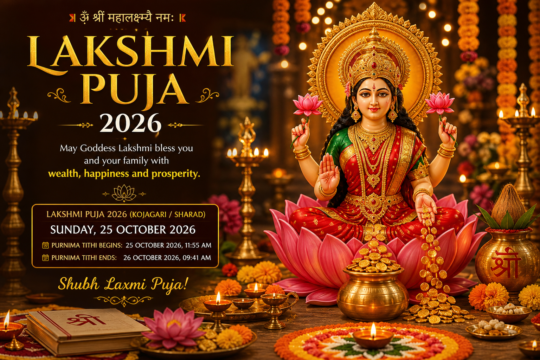
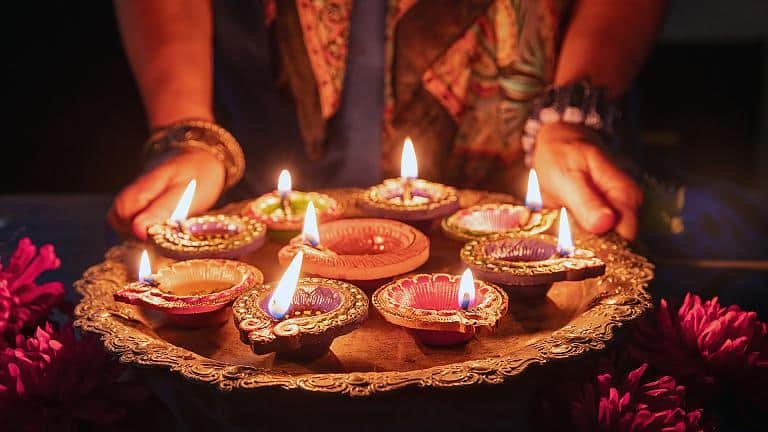
This is the heart of the Festival of Lights. On the darkest night of the lunar month, families light rows of diyas, candles, and electric lights to welcome Goddess Lakshmi and Lord Ganesha into their homes. Lakshmi Puja is performed in the evening during Pradosh Kaal. For New Delhi the auspicious window is roughly 5:31 PM to 7:55 PM or 5:54 PM to 7:50 PM, with slight variations by city according to local sunset. Mumbai’s window shifts later, while Kolkata’s begins earlier. After the puja, families exchange sweets, burst fireworks (where permitted), and share festive meals. The sight of thousands of lamps reflecting in rivers, on rooftops, and along streets creates an unforgettable visual poetry of light conquering darkness.
Day 4 – Govardhan Puja / Bali Pratipada / Annakut (Tuesday, 10 November 2026)
The day after the main Diwali night honors Lord Krishna’s lifting of Govardhan Hill to protect the people of Vrindavan from Indra’s wrath. In many regions, especially Gujarat and among Vaishnava communities, an elaborate Annakut (mountain of food) is prepared and offered to the deity. For Gujaratis this day also marks the traditional New Year. Homes and temples display artistic arrangements of sweets, fruits, and savory dishes.
Day 5 – Bhai Dooj / Bhai Tika / Bhau Beej (Wednesday, 11 November 2026)
The festival concludes with a celebration of the bond between brothers and sisters. Sisters apply a ceremonial tilak on their brothers’ foreheads, pray for their long life and prosperity, and receive gifts in return. The ritual echoes the story of Yama and his sister Yamuna and reinforces the importance of family ties that stretch beyond the festive season.
The Deeper Significance of the Festival of Lights
At its core, Diwali 2026 continues a tradition that is more than 2,500 years old. The name itself comes from the Sanskrit “Deepavali,” meaning “a row of lights.” Across regions the stories differ yet converge on the same powerful message: the victory of good over evil, knowledge over ignorance, and hope over despair.
In North India the festival recalls Lord Rama’s triumphant return to Ayodhya after 14 years of exile and his defeat of the demon king Ravana. The citizens of Ayodhya lit thousands of lamps to welcome their king, creating the visual tradition that still defines the night. In South India the emphasis falls on Krishna’s victory over Narakasura. In western India the story of Vishnu’s Vamana avatar and King Bali is remembered. Jains mark the nirvana of Lord Mahavira, while Sikhs celebrate Bandi Chhor Divas, the release of Guru Hargobind from imprisonment along with 52 other princes.
Beyond mythology, Diwali has always been linked to the agricultural calendar. Coming after the harvest, it is a time of thanksgiving for abundance and a prayer for continued prosperity. Cleaning the home, wearing new clothes, preparing special foods, and giving charity all express gratitude and a readiness to begin anew.
How India and the World Will Celebrate Diwali 2026
From the ghats of Ayodhya, where the state organizes a spectacular Deepotsav, to the illuminated Golden Temple in Amritsar, from the Kali Puja pandals of Kolkata to the oil-bath traditions of Tamil Nadu, every region adds its own color. In Gujarat the New Year begins with Chopda Puja (worship of account books). In Maharashtra and Karnataka, Bali Pratipada receives special attention.
Outside India the Festival of Lights has become a global celebration. In the United States, cities such as New York host large public events, including the annual Diwali at Times Square. California now recognizes Diwali as a state holiday. Similar festivities light up Singapore, Malaysia, the United Kingdom, Canada, Australia, Fiji, Trinidad, and Guyana. Wherever Indian communities have settled, diyas appear on windowsills and rangolis bloom on sidewalks.
Practical Tips for an Auspicious and Joyful Diwali 2026
- Confirm local muhurat timings with a reliable panchang for your city, as sunset times differ.
- Prioritize traditional clay diyas where possible; they create a softer, more authentic glow and support local artisans.
- Practice eco-friendly celebrations: choose green crackers or skip them, use LED lights judiciously, and avoid single-use plastic decorations.
- Include acts of charity—feeding the hungry, donating clothes, or supporting education—as an integral part of the festival.
- For families with children, use the five days to share the stories behind the rituals so the next generation understands both the fun and the meaning.
Diwali 2026 arrives at a moment when the world continues to seek light amid uncertainty. The simple act of placing a diya in a window, of sharing a box of sweets with a neighbor, or of gathering the family for Lakshmi Puja carries a timeless message: darkness is temporary, and the human spirit has always known how to kindle its own light.
As 8 November approaches, markets will hum, homes will sparkle, and the night sky will briefly rival the stars. Whether you celebrate with grand fireworks or quiet lamps, with elaborate feasts or simple prayers, Diwali 2026 invites every person to participate in the oldest and most beautiful human tradition—the deliberate choice of light.
May the five days of this Festival of Lights fill your home with prosperity, your heart with joy, and your path with clarity. Happy Diwali 2026!