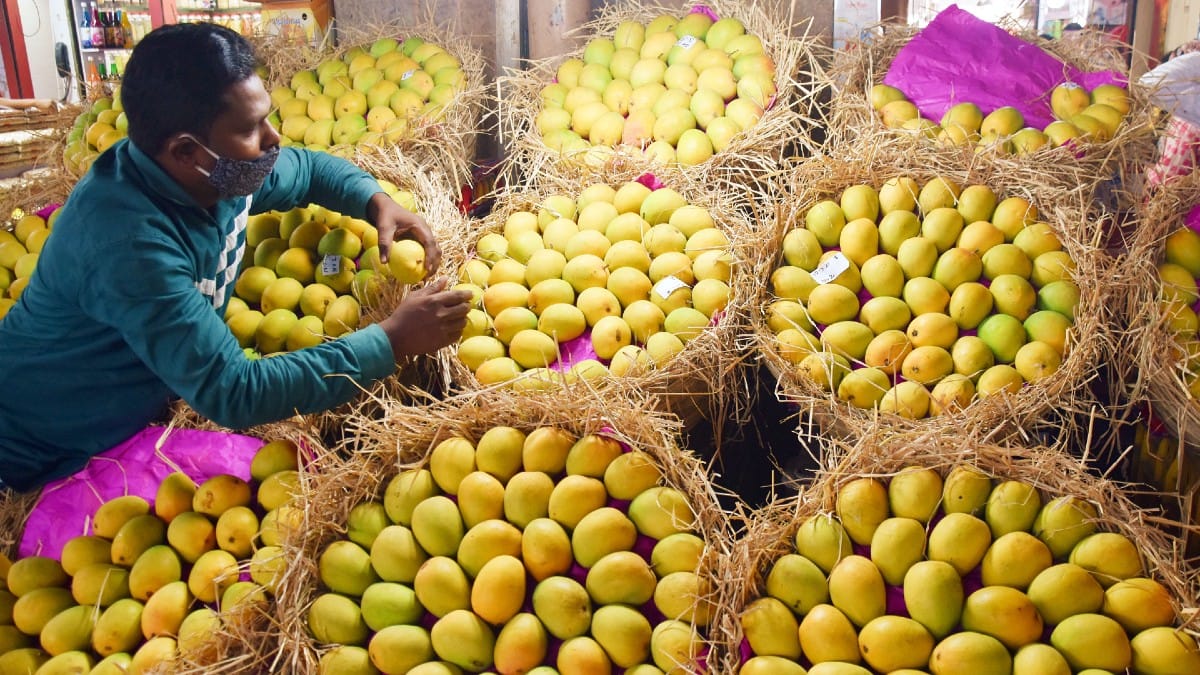
Japan Bans Indian Mangoes 2026: Shocking Suspension Hits Alphonso & Kesar Exports After 20 Years
Japan Bans Indian Mangoes: A Major Setback for Premium Exports in 2026
In a move that has sent shockwaves through India’s agricultural export sector, Japan Bans Indian Mangoes for the 2026 season. This decision comes after Japanese quarantine officials identified critical lapses in pest-control procedures during inspections at Indian treatment facilities earlier this year. The suspension, the first in nearly two decades, threatens to disrupt a high-value trade relationship and exacerbate challenges for mango growers already battling adverse weather conditions.
India, the world’s largest mango producer with an annual output of nearly 28 million metric tonnes, relies on exports to premium markets like Japan for substantial profits. While domestic consumption dominates, shipments to discerning international buyers command premium prices that support farmers and exporters. The sudden ban on popular varieties such as Alphonso, Kesar, Langra, and Banganapalli has raised urgent questions about quality control and phytosanitary standards.
Historical Context: From 20-Year Ban to Renewed Concerns
This is not the first time Japan has imposed restrictions on Indian mangoes. Back in the 1980s, concerns over fruit flies led to a complete ban that lasted until 2006. India worked diligently to strengthen its treatment protocols, particularly implementing Vapour Heat Treatment (VHT) facilities, which eventually led to the resumption of exports.
VHT is a non-chemical disinfection process where mangoes are exposed to precisely controlled hot and humid air to eliminate invasive pests like fruit flies and their larvae. Japan maintains a strict zero-tolerance policy toward such pests to protect its domestic agriculture. Annual pre-season inspections by Japanese officials at Indian VHT centres have been a cornerstone of the bilateral agreement.
The latest inspection occurred in March 2026 at the VHT facility in Rehmanpur, Uttar Pradesh. Japanese authorities reportedly uncovered deficiencies in fumigation and disinfection procedures. Although exact technical details remain undisclosed by both sides, the Yokohama Plant Protection Association swiftly announced that Indian mango shipments with inspection certificates issued after March 25, 2026, would no longer be accepted.
This development marks a significant regression after nearly 20 years of smooth trade, highlighting ongoing vulnerabilities in India’s export infrastructure.
Why Japan Takes Such Strict Measures
Japan’s agricultural sector is highly sensitive to invasive species. Fruit flies pose a severe threat as they can devastate local crops and disrupt ecosystems. The country’s rigorous phytosanitary standards reflect a proactive approach to biosecurity. Even minor lapses in treatment processes can trigger immediate action, as seen in this case.
For Indian exporters, compliance with these standards has always been challenging yet rewarding. Japan pays top dollar for premium Indian mangoes due to their superior taste, aroma, and quality. The suspension therefore represents not just a loss of volume but a blow to the reputation of Indian agricultural produce in high-end markets.
Immediate Impact on Exporters and Farmers
The timing of the Japan Bans Indian Mangoes announcement could not be worse. It coincides with the peak summer mango season (April to June), when exports traditionally surge. Exporters report that while Japan is not India’s largest mango importer—markets like the UAE, UK, and US take bigger shares—the Japanese market offers significantly higher margins.
“Japan values quality above all,” said one Mumbai-based exporter who wished to remain anonymous. “A single container to Japan can fetch prices 2-3 times higher than to some Middle Eastern destinations. This ban will hurt our bottom line severely this year.”
The situation is particularly dire for farmers in Maharashtra’s Alphonso belt. Extreme heat and erratic weather patterns, attributed to the El Nino effect, have already caused crop losses estimated at 85-90% in some areas. With production sharply down, the loss of the Japanese market adds another layer of financial distress.
Small and marginal farmers, who form the backbone of mango cultivation in states like Maharashtra, Uttar Pradesh, Andhra Pradesh, and Gujarat, are the most vulnerable. Many had invested in improved packing and treatment processes expecting strong export returns this season.
Broader Implications for India’s Mango Industry
India produces over 40% of the world’s mangoes, boasting more than 1,000 varieties. However, exports constitute only a small fraction of total production—around 2-3% in recent years. Despite this, the sector generates valuable foreign exchange and supports rural livelihoods.
The current suspension could have ripple effects beyond Japan. Other importing countries might scrutinize Indian mango consignments more closely, fearing similar quality issues. This could damage the hard-earned reputation of brands like Alphonso (also known as Hapus) and Kesar, celebrated globally for their sweetness and flavor.
Experts warn that repeated incidents could hinder India’s ambitions to expand its share in the global fruit export market. The Agricultural and Processed Food Products Export Development Authority (APEDA) plays a crucial role in facilitating such trade, but this episode underscores the need for more robust monitoring of VHT facilities nationwide.
Technical Deep Dive: Understanding Vapour Heat Treatment (VHT)
VHT facilities are sophisticated setups designed to meet international quarantine requirements. The process typically involves:
- Heating mangoes to a core temperature of around 46-47°C
- Maintaining high humidity levels for a specific duration
- Precise monitoring to ensure pest mortality without compromising fruit quality
Any deviation in temperature, humidity, or sanitation protocols can render the treatment ineffective. Japanese inspectors focus on these parameters during their annual visits, along with facility hygiene and documentation standards.
The lapses identified in Rehmanpur reportedly related to fumigation backup systems and disinfection routines. While Indian authorities have not issued a detailed public statement, efforts are reportedly underway to address the concerns and seek an early resolution.
Economic Losses and Stakeholder Reactions
Industry estimates suggest potential losses in the range of several crores for the current season, though exact figures are still being calculated. Beyond direct revenue loss, there are indirect costs: unsold inventory, additional storage, and diversion to lower-paying domestic or alternative export markets.
Mango grower associations in Maharashtra have appealed to the central and state governments for intervention. They demand immediate upgrades to VHT facilities and diplomatic engagement with Japanese authorities to lift the suspension at the earliest.
“This is not just about one market,” noted a representative from the Maharashtra Mango Growers Association. “It affects the confidence of all our international buyers. We need swift corrective action.”
What Lies Ahead: Potential Solutions and Long-Term Strategies
To resolve the issue, India must demonstrate tangible improvements in facility standards. This could involve:
- Comprehensive audits and upgrades of all approved VHT centres
- Enhanced training for technical staff
- Adoption of advanced monitoring technologies
- Closer collaboration between APEDA, state horticulture departments, and exporters
Longer term, diversifying export destinations and investing in domestic value addition (such as pulp, juices, and dried mango products) could reduce dependency on fresh fruit exports to stringent markets.
The incident also highlights the importance of climate-resilient farming practices. With changing weather patterns increasingly threatening production, integrated approaches combining better irrigation, pest management, and post-harvest technologies are essential.
Global Perspective on Mango Trade
While India dominates production, countries like Mexico, Brazil, and Peru have made significant inroads into premium markets through consistent quality and strong logistics. Japan imports mangoes from multiple sources, and any gap left by India could be filled by competitors.
However, Indian mangoes hold a special place due to their unique varietal characteristics. Resolving the current impasse swiftly would help reclaim lost ground and strengthen bilateral trade ties.
Conclusion: Turning Challenge into Opportunity
The Japan Bans Indian Mangoes episode serves as a wake-up call for India’s mango export ecosystem. While the immediate impact is painful—especially for farmers reeling from weather-related losses—it presents an opportunity to elevate standards across the board.
Stakeholders across the value chain must collaborate to restore confidence. With proactive measures, India can not only regain access to the Japanese market but also build a more resilient and reputable export framework for the future.
As the 2026 mango season continues, the eyes of the industry remain fixed on diplomatic and technical efforts to resolve this issue. For now, lovers of Indian mangoes in Japan will have to wait a little longer for their favorite summer treat.