ASTC ISBT Guwahati Outsourcing Controversy: Transport Workers Protest Privatization of Parking, Security & Services
ASTC ISBT Guwahati Outsourcing Controversy: Transport Workers and Bus Operators Stage Strong Protest
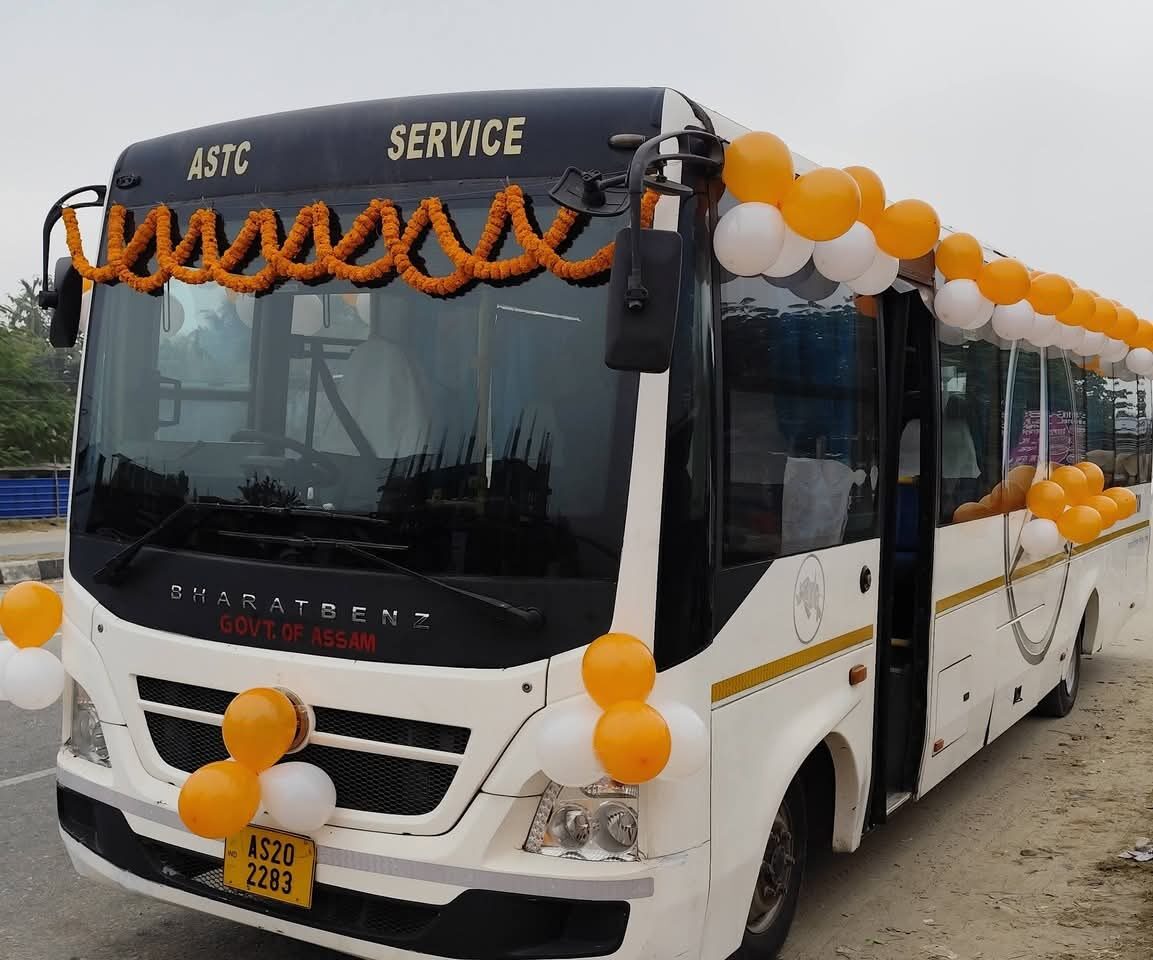
Guwahati, May 26, 2026: In a significant development at the heart of Assam’s public transport network, hundreds of transport workers, bus operators, drivers, handymen, and vehicle owners gathered at the Inter State Bus Terminus (ISBT) in Guwahati to voice their strong opposition to the Assam State Transport Corporation’s (ASTC) reported plan to outsource several critical services to a private agency.
The proposed outsourcing at ASTC ISBT Guwahati, which includes parking fee collection, traffic management, cleanliness, and security services under a three-year licence, has sparked widespread concern among stakeholders who fear it will lead to increased operational costs and severe financial strain on those dependent on the transport sector.
This ASTC ISBT outsourcing move has become a major talking point in Assam’s transport circles, with workers directly appealing to Chief Minister Himanta Biswa Sarma to intervene and keep the terminus under direct government management.
Background of ISBT Guwahati and ASTC’s Role
The Inter State Bus Terminus in Guwahati serves as the primary hub for inter-state and intra-state bus operations in Assam. Managed by the Assam State Transport Corporation (ASTC) for many years, ISBT Guwahati handles thousands of passengers daily, connecting major destinations including Silchar, Shillong, Kohima, Imphal, and other northeastern cities.
ASTC has traditionally overseen day-to-day operations including parking, security, sanitation, and traffic flow inside the terminus. However, recent reports suggesting a shift towards privatization of these services have triggered alarm bells among frontline workers who spend most of their working hours at the busy terminus.
The decision, if implemented, would mark a significant policy shift in how ASTC manages its key infrastructure. While the corporation may see it as a way to improve efficiency and reduce administrative burden, transport workers argue that privatization often translates into higher costs for end users and reduced accountability.
Workers’ Concerns Over Rising Costs and Survival Challenges
One of the primary fears expressed by protesters is the inevitable increase in parking fees, entry charges, and other service-related costs once private agencies take over.
A senior bus driver operating on the popular Guwahati–Silchar route shared his worries during the gathering:
“The transport sector is already struggling with rising fuel prices, vehicle maintenance costs, insurance premiums and permit-related expenses. If parking and other services are handed over to private parties, the charges may increase further. Ultimately, the burden will fall on drivers and passengers. We are somehow managing our daily expenses, and any additional cost will make survival more difficult.”
This sentiment was echoed by many others present at the protest. Drivers and handymen pointed out that the transport business operates on thin margins. Any additional financial load is usually passed on to passengers in the form of higher ticket prices or absorbed by reducing staff wages and benefits.
A handyman working with a night service bus highlighted the precarious nature of their livelihood:
“Many of us earn daily wages and support our families through this work. If operational costs rise, bus owners may cut wages or reduce staff. We request the government to consider the hardships faced by workers before taking such decisions.”
Fear of Stricter Rules and Operational Harassment
Beyond financial implications, transport workers fear that private agencies might introduce stricter enforcement, penalties, and bureaucratic hurdles for minor issues.
Another driver stated:
“We fear that once private agencies take over, there may be stricter rules, penalties and higher fees for even minor issues. The ISBT is a public transport hub and should remain under government control.”
Vehicle owners also expressed apprehension that outsourcing could eventually lead to higher entry fees and multiple layers of service charges inside the terminus.
“One small increase may not seem significant on paper, but for buses operating daily, the costs accumulate over time. It will directly affect small operators who are already under pressure,” said a bus owner who has been running services for over 15 years.
Impact on Small Operators and Daily Wage Earners
The ASTC ISBT Guwahati outsourcing issue highlights the larger challenges faced by small and medium bus operators in Assam. With increasing competition from private cabs, ride-sharing apps, and improving road connectivity, traditional bus operators are finding it difficult to sustain operations.
Irregular passenger flow, seasonal variations in demand, and rising input costs have already created financial uncertainty. Workers argue that privatization of essential services at the main terminus will only worsen the situation.
Many families in and around Guwahati depend entirely on the transport ecosystem for their livelihood — from drivers and cleaners to small tea stall owners and porters operating inside or near ISBT. Any disruption in the current system could have a cascading effect on the local economy.
Demand for Stakeholder Consultation
Protesters have strongly demanded that the state government hold detailed discussions with all stakeholders, including drivers’ associations, transport unions, bus owners, and ASTC employees, before finalizing any decision regarding the management of ISBT Guwahati.
They emphasized that strengthening ASTC’s own infrastructure, manpower, and operational efficiency would be a more sustainable solution than outsourcing to private players.
The gathering on Saturday saw workers displaying placards and raising slogans in support of keeping ISBT under direct ASTC control. Several union representatives also addressed the crowd, reiterating their appeal to Chief Minister Himanta Biswa Sarma to personally look into the matter.
Broader Implications for Assam’s Public Transport System
The ongoing controversy at ASTC ISBT Guwahati comes at a time when the state government is focusing on improving connectivity and modernizing transport infrastructure across Assam. While modernization and efficiency are important goals, ensuring that such changes do not adversely affect the livelihood of thousands of workers remains a critical balancing act.
Public transport hubs like ISBT play a vital role in the socio-economic fabric of the region. They not only facilitate movement of people and goods but also support numerous ancillary services and employment opportunities.
Critics of the outsourcing model argue that private agencies prioritize profit maximization, which could lead to compromised service quality, reduced accessibility for common passengers, and increased chances of corruption at multiple levels.
On the other hand, supporters of privatization often cite better maintenance standards, use of technology for traffic and parking management, and reduced burden on government exchequer as potential benefits. However, in the current context, the voices of those directly affected — the drivers, handymen, and small operators — are demanding careful evaluation.
What Workers Want from the Government
The transport community has put forward several clear demands:
- Immediate halt to the outsourcing process at ISBT Guwahati
- Direct intervention by Chief Minister Himanta Biswa Sarma
- Comprehensive stakeholder consultation involving all transport unions
- Focus on strengthening ASTC’s internal capacity and manpower
- Transparency in any future decisions related to ISBT management
- Protection of livelihood and working conditions of daily wage workers
Many believe that a collaborative approach involving the government, ASTC management, and worker representatives can lead to a solution that addresses efficiency concerns without compromising on affordability and job security.
Current Situation at ISBT Guwahati
As of now, normal bus operations continue at the terminus, but the atmosphere remains tense with workers closely monitoring further developments. The protest has drawn attention from local media and transport circles across the Northeast.
ASTC officials are yet to issue an official statement on the reported outsourcing plan. The corporation’s response in the coming days will be crucial in determining the future course of this controversy.
Why This Issue Matters to Passengers and Assam
For ordinary passengers, any increase in service charges at ISBT could mean higher travel costs, especially for those travelling long distances on a regular basis. Students, government employees, traders, and daily commuters who rely on state transport services may feel the pinch.
Moreover, the issue raises important questions about the future of public sector undertakings in Assam and the extent of private sector involvement in essential services.
As the state pushes for economic growth and infrastructure development, protecting the interests of the working class while embracing modern management practices remains a key governance challenge.
Conclusion and Way Forward
The protest by transport workers at ASTC ISBT Guwahati underscores deep-rooted concerns about privatization and its impact on livelihoods. While the government and ASTC may have valid administrative reasons for considering outsourcing, the voices of those on the ground cannot be ignored.
A balanced, inclusive, and transparent approach that prioritizes both efficiency and equity is the need of the hour. The coming weeks will be critical as all parties involved look towards Chief Minister Himanta Biswa Sarma for guidance on this sensitive matter.
The people of Assam, especially those associated with the transport sector, hope for a resolution that safeguards jobs, keeps travel affordable, and maintains the public character of vital infrastructure like ISBT Guwahati.
This developing story is being closely monitored. Updates will be provided as more information emerges from ASTC and the state government.