Pakistan Train Blast in Balochistan: 24 Killed, 70 Injured in Deadly Suicide Attack Claimed by BLA in Quetta
Pakistan Train Blast in Balochistan: Devastating Suicide Attack Claims 24 Lives in Quetta
In a shocking escalation of violence in Pakistan’s southwestern province, a major Pakistan train blast struck a shuttle train in Quetta, Balochistan on Sunday, May 24, 2026. The explosion, described as a suicide vehicle-borne improvised explosive device (SVBIED) attack, targeted a train carrying Pakistani security personnel and their families. Officials report at least 24 people killed and around 70 injured in this tragic incident.
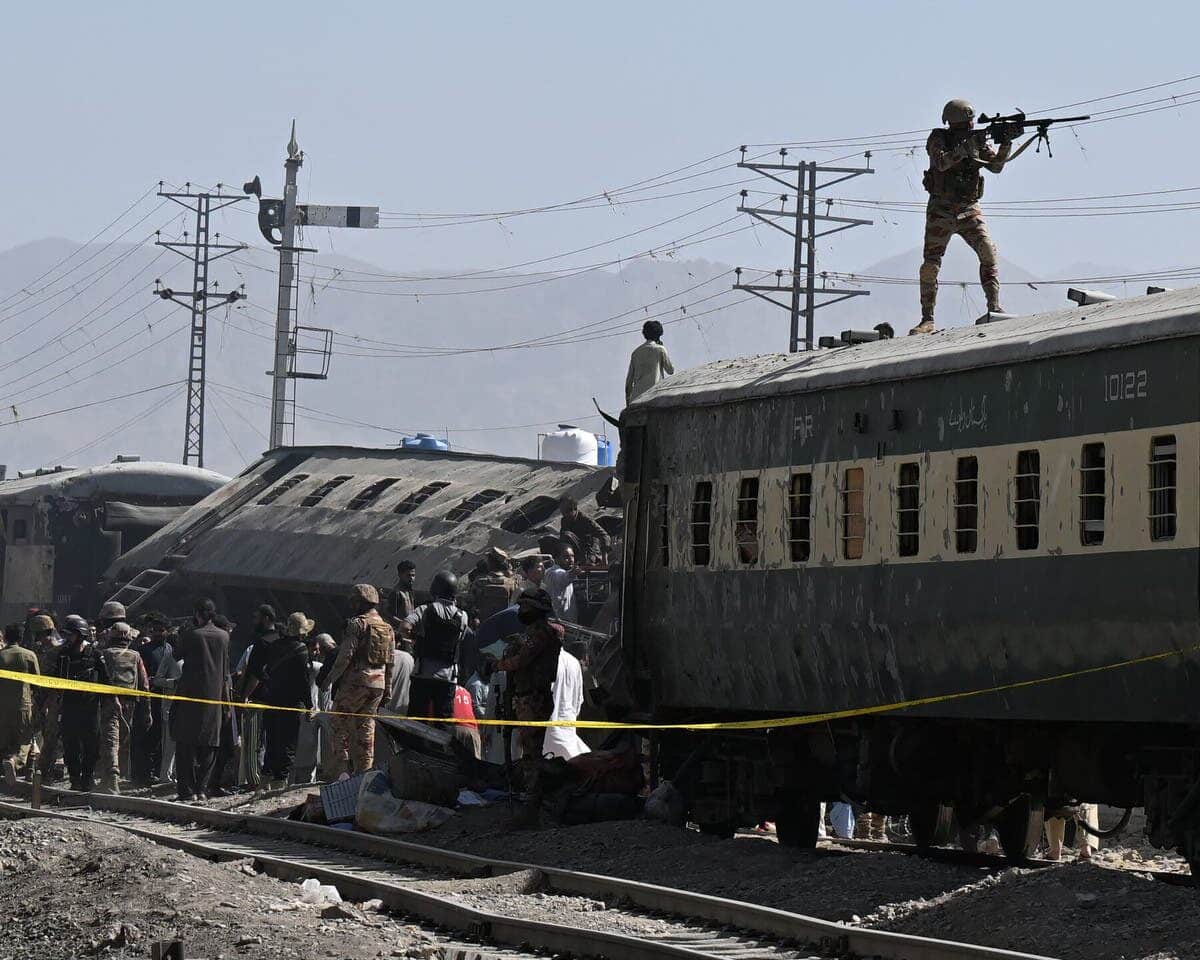
The Pakistan train blast occurred near Chaman Phatak in Quetta as the shuttle train, which had just departed from Quetta’s cantonment area to connect with the long-distance Jaffar Express, was hit. The blast derailed the engine and three coaches, overturned two others, and triggered a fire that engulfed parts of the wreckage. Nearby residential buildings and vehicles also suffered heavy damage, with images from the scene showing twisted metal, debris, and smoke rising from the site.
Details of the Pakistan Train Blast in Quetta
According to provincial government and security officials, who spoke on condition of anonymity, the train was transporting over 300 passengers, primarily military personnel and families. The explosives-laden vehicle rammed into one of the train’s bogies in a residential area, causing massive destruction. One bogie was completely destroyed, and the force of the explosion impacted surrounding apartment buildings.
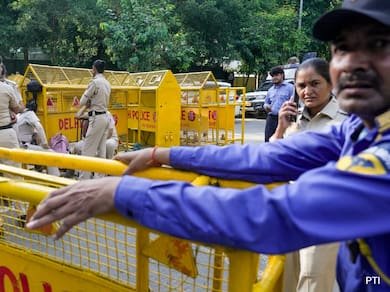
Pakistan’s railways ministry confirmed the incident in an official statement, noting that security forces quickly cordoned off the area and rescue operations were underway. Local YouTubers and eyewitnesses shared footage showing extensive damage, with emergency teams working to extract victims from the derailed coaches.
The Baloch Liberation Army (BLA), a separatist militant group, claimed responsibility for the Pakistan train blast, describing it as a suicide bombing targeting security forces. Reuters and other outlets could not independently verify the claim, but the group’s statement highlighted it as part of their ongoing campaign against Pakistani state presence in the region.
This Balochistan attack adds to a series of strikes on trains, security forces, and infrastructure in the mineral-rich province bordering Iran and Afghanistan. Balochistan has seen heightened counterinsurgency operations following some of the deadliest violence in years.
Background on Balochistan Insurgency and Previous Attacks
The Pakistan train blast in Quetta is not an isolated event but part of a long-standing insurgency in Balochistan. The province, rich in natural resources, has been a hotspot for separatist activities demanding greater autonomy or independence. The BLA has been one of the most active groups, frequently targeting symbols of the Pakistani state, including railways, which they view as facilitating exploitation of local resources.
In March 2025, BLA militants hijacked the Jaffar Express train, taking hundreds of hostages. A military operation eventually ended the standoff, with reports of 21 hostages, four troops, and all 33 attackers killed. That incident drew international attention and underscored the vulnerability of rail networks in the region.
Earlier in 2026, coordinated attacks across Balochistan resulted in nearly 50 deaths, prompting a 40-hour operation where Pakistani forces claimed to have killed 145 militants. These events reflect the persistent challenges in stabilizing the province despite repeated security crackdowns.
The latest Pakistan train blast occurred as the shuttle train carried passengers for what was likely a routine connection, possibly related to Eid travel or regular movements of personnel. The timing and location near a cantonment area suggest a deliberate targeting of military assets.
Immediate Aftermath and Rescue Operations
Rescue teams, including security personnel and medical staff, rushed to the scene of the Balochistan attack. Images circulating online depict burnt-out vehicles, damaged buildings, and chaotic scenes with debris scattered along the railway track. At least two dozen Pakistan personnel were among the casualties, with reports indicating soldiers, women, and children were affected.
Hospitals in Quetta were placed on high alert to treat the injured. Provincial authorities have mobilized additional resources for the ongoing rescue and investigation efforts. The explosion’s impact extended beyond the train, affecting local residents and infrastructure in the densely populated area near Chaman Phatak.
Reactions from Pakistani Leadership
Prime Minister Shehbaz Sharif strongly condemned the “heinous bomb explosion” in a post on X (formerly Twitter). He expressed deep condolences to the victims’ families and stated that the entire nation stands with the people of Balochistan. Sharif reiterated the government’s commitment to combating terrorism and ensuring the safety of citizens.
Security officials have vowed a thorough investigation and intensified operations against militant networks. The incident is likely to prompt further counterinsurgency measures in the province.
Broader Implications of the Pakistan Train Blast
This Pakistan train blast highlights several critical issues facing Pakistan, particularly in Balochistan:
- Security Challenges: Despite ongoing military operations, groups like the BLA continue to execute high-profile attacks. The use of suicide vehicle-borne IEDs demonstrates evolving tactics.
- Impact on Civilians and Infrastructure: Attacks on railways disrupt daily life, connectivity, and economic activities. The Jaffar Express route is a vital lifeline for the region.
- Resource and Grievance Issues: Separatists often cite exploitation of Balochistan’s minerals, forced disappearances, and marginalization as motivations. Addressing root causes through development and dialogue remains a complex challenge.
- Regional Stability: Balochistan borders sensitive areas with Iran and Afghanistan, making instability a concern for broader security dynamics, including trade routes and counter-terrorism efforts.
The mineral-rich province is central to Pakistan’s economic ambitions, including projects like Reko Diq, yet persistent violence hampers progress.
Historical Context of Train Attacks in Balochistan
Railway lines in Balochistan have long been soft targets. From track bombings to hijackings, militants have used them to draw attention. The 2025 Jaffar Express hijacking was particularly audacious, involving explosives in tunnels and a prolonged standoff.
The latest Pakistan train blast echoes these patterns but with added civilian and residential impact due to the urban setting in Quetta.
Experts note that such attacks aim to undermine confidence in state control and provoke heavy-handed responses that could alienate local populations.
Analysis: Why This Pakistan Train Blast Matters
The attack comes amid reports of increasing BLA capabilities, including recruitment and use of sophisticated methods. Recent claims of female militants and coordinated operations signal a hybrid insurgency approach.
For Pakistan, securing Balochistan is crucial for national unity, economic development, and international partnerships. The Balochistan attack may accelerate calls for enhanced intelligence, infrastructure protection, and socio-economic initiatives.
International observers will be watching how authorities balance security needs with human rights concerns in the response.
Conclusion and the Path Forward
The Pakistan train blast in Quetta is a grim reminder of the fragility of peace in Balochistan. As families mourn the loss of loved ones and survivors recover from injuries, the focus shifts to justice for the victims and preventing future tragedies.
Pakistan’s resolve to tackle terrorism must be matched with efforts to address legitimate grievances in Balochistan. Sustainable peace requires a multifaceted strategy combining robust security, inclusive development, and political engagement.
This incident will undoubtedly dominate headlines and policy discussions in the coming days. As rescue operations conclude and investigations progress, the nation hopes for swift action against those responsible.