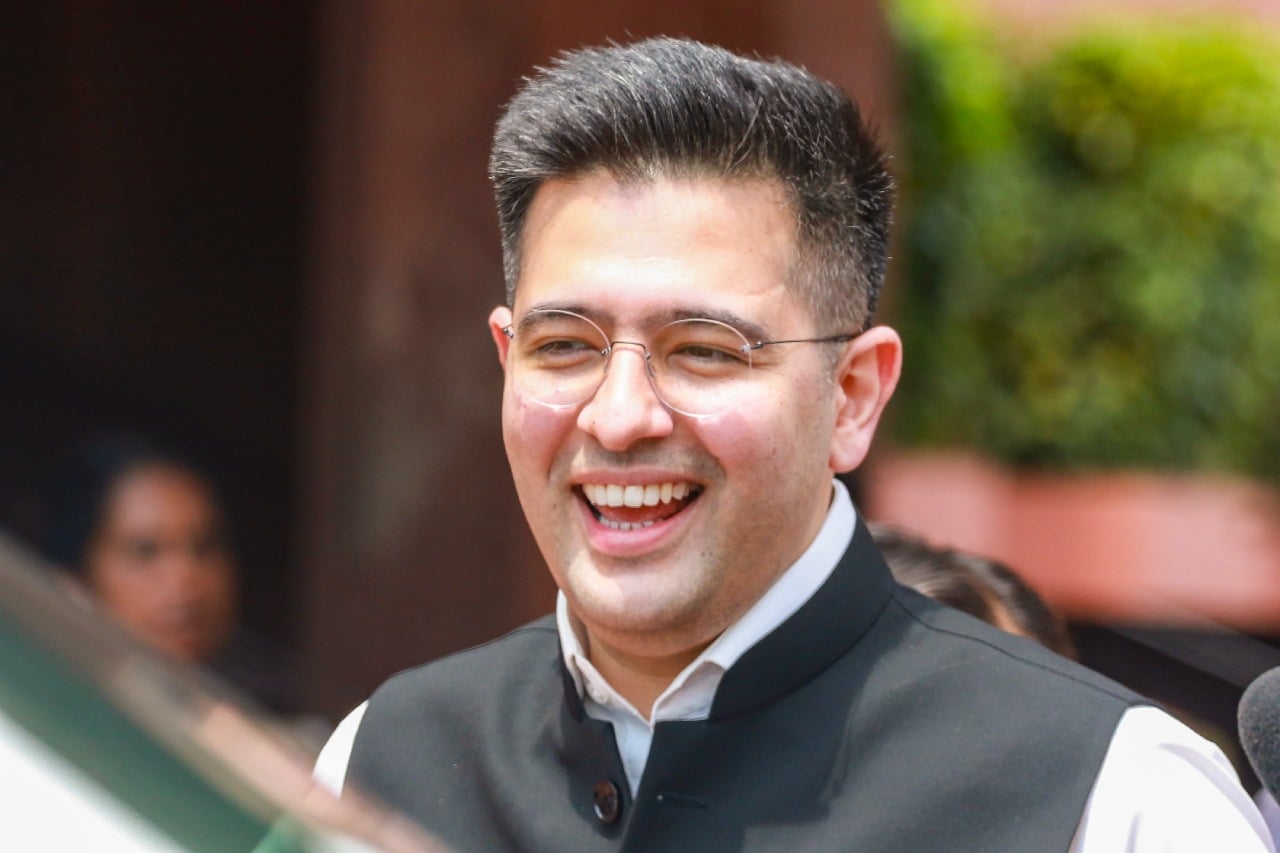
Raghav Chadha Appointed Chairman of Rajya Sabha Committee on Petitions: A New Chapter in His Political Journey After AAP to BJP Switch
Raghav Chadha Takes Charge as Chairman of Rajya Sabha’s Committee on Petitions
In a significant development in Indian parliamentary affairs, Raghav Chadha has been appointed as the new Chairman of the Committee on Petitions in the Rajya Sabha. The announcement came through an official notification from the Rajya Sabha secretariat following the reconstitution of the panel by Chairman C.P. Radhakrishnan, effective from May 20, 2026.
This appointment marks a notable milestone in Raghav Chadha’s evolving political career, especially after his high-profile exit from the Aam Aadmi Party (AAP) and subsequent merger with the Bharatiya Janata Party (BJP) in late April 2026. The move underscores his rising influence in the Upper House and reflects the trust placed in him by the leadership amid shifting political alignments.
Details of the Committee Reconstitution
According to the Rajya Sabha notification, besides Raghav Chadha as Chairman, the 10-member Committee on Petitions includes the following members: Harsh Mahajan, Gulam Ali, Shambhu Sharan Patel, Mayankkumar Nayak, Masthan Rao Yadav Beedha, Jebi Mather Hisham, Subhasish Khuntia, Rwngwra Narzary, and P. Sandosh Kumar (also referred to as Sandosh Kumar P. in some references).
The Committee on Petitions is one of the oldest parliamentary committees, serving as a vital bridge between citizens and the government. It examines public petitions on matters of general importance, grievances against public authorities, and issues related to bills or policies. The panel has the authority to call for evidence, summon officials, and recommend remedial actions, making it a key forum for addressing public concerns directly.
This reconstitution comes at a time when parliamentary committees are playing an increasingly important role in legislative oversight, especially with ongoing discussions on various reform bills.
Additional Nominations in Parliamentary Panels
In related developments, the Rajya Sabha Chairman nominated Dr. Menaka Guruswamy, a Member of Rajya Sabha, to the Joint Committee on the Corporate Laws (Amendment) Bill, 2026, on May 20. Separately, the Lok Sabha Speaker nominated Arvind Ganpat Sawant to the same Joint Committee effective May 21, 2026. These appointments highlight the active restructuring of various parliamentary bodies to handle pending legislative business efficiently.
Raghav Chadha’s Dramatic Political Shift: From AAP to BJP
The appointment of Raghav Chadha gains added significance against the backdrop of his recent departure from the Aam Aadmi Party. On April 26, 2026, Raghav Chadha, along with six other AAP Rajya Sabha MPs, announced their exit from the party and merger with the BJP. This move was executed under the anti-defection law provisions, as it involved two-thirds of the party’s Rajya Sabha strength.
In his statement, Chadha accused the AAP of straying from its core principles of anti-corruption and good governance. He remarked, “The very party that was formed with a solemn vow to eradicate corruption has today fallen disastrously into the hands of corrupt and compromised individuals.” Chadha had reportedly distanced himself from AAP’s internal functioning about a year earlier to avoid complicity in alleged wrongdoings.
The other MPs who joined him in the switch include prominent names such as Ashok Mittal, Sandeep Pathak, Harbhajan Singh, Rajinder Gupta, Vikram Sahney, and Swati Maliwal. This mass shift significantly reduced AAP’s strength in the Rajya Sabha to just three members, dealing a major blow to the party.
Raghav Chadha’s decision was framed as a principled stand. He described himself as the “right man in the wrong party” and expressed support for the broader vision of national development under Prime Minister Narendra Modi. The Rajya Sabha Chairman later approved the merger, solidifying the MPs’ positions.
Background on Raghav Chadha: A Rising Star in Indian Politics
Born on November 11, 1988, Raghav Chadha is a chartered accountant by profession and one of the youngest parliamentarians in recent times. He entered politics during the India Against Corruption movement in 2011 and became a founding member of the AAP in 2012.
His early roles included serving as National Treasurer and National Spokesperson for AAP. He was elected as MLA from Rajinder Nagar in Delhi in 2020 and later became a Rajya Sabha MP from Punjab in 2022, making him one of the youngest members in the Upper House. Chadha has been known for his articulate interventions in Parliament, focus on financial reforms, and advocacy for transparency.
Prior to the switch, he had served as AAP’s leader in Rajya Sabha and was involved in key committees, including the Standing Committee on Finance. His transition to BJP has been viewed by supporters as a strategic alignment with a party better positioned to implement large-scale governance reforms.
Importance of the Committee on Petitions Role
The Committee on Petitions plays a non-partisan role in examining citizen grievances. It receives petitions on diverse issues—from infrastructure deficits to policy implementation failures—and conducts detailed inquiries. The Chairman’s position requires leadership in ensuring impartiality, thorough investigation, and actionable recommendations to the House.
Under Raghav Chadha’s chairmanship, the committee is expected to handle a wide array of public petitions efficiently. Observers note that his background in finance and law could bring a sharper focus on economic grievances, corporate-related complaints, and governance issues. This appointment is seen by many as recognition of his parliamentary experience and ability to engage across party lines.
Political Reactions and Implications
The appointment has elicited mixed reactions. BJP leaders have welcomed it as a step towards strengthening parliamentary processes with capable hands. Critics from AAP have questioned the timing, linking it to the recent defections and alleging political favoritism. However, parliamentary conventions generally support such appointments based on seniority and House dynamics.
This development also strengthens BJP’s position in Rajya Sabha committees following the influx of new members. It reflects the fluid nature of Indian politics, where individual convictions and strategic alliances often reshape power equations.
For the public, an active Committee on Petitions under dynamic leadership like Raghav Chadha’s could mean better redressal of grievances. Citizens are encouraged to utilize this platform for issues of national or regional importance.
What Lies Ahead for Raghav Chadha and Indian Politics
As Raghav Chadha assumes this responsible position, all eyes will be on how he steers the Committee on Petitions. His experience as a chartered accountant and former AAP leader positions him uniquely to address complex issues with both technical expertise and political acumen.
The broader political landscape continues to evolve with such shifts. The AAP, once a formidable force, faces challenges in retaining its ideological base, while the BJP consolidates strength in the Upper House. Developments around the Corporate Laws (Amendment) Bill further indicate a busy legislative calendar ahead.
In conclusion, the appointment of Raghav Chadha as Chairman of the Rajya Sabha Committee on Petitions is more than a routine parliamentary reshuffle. It symbolizes continuity in democratic institutions even amid personal and party-level transformations. As India progresses towards greater transparency and citizen-centric governance, roles like this remain crucial in upholding the spirit of accountability.
This story will continue to develop as the new committee takes up petitions and delivers its reports. Stay tuned for updates on Raghav Chadha’s initiatives in his new capacity and other parliamentary developments.