Mahashivratri 2026 Date, Puja Timings, Nishita Kaal, Fasting Rules & Rituals Guide
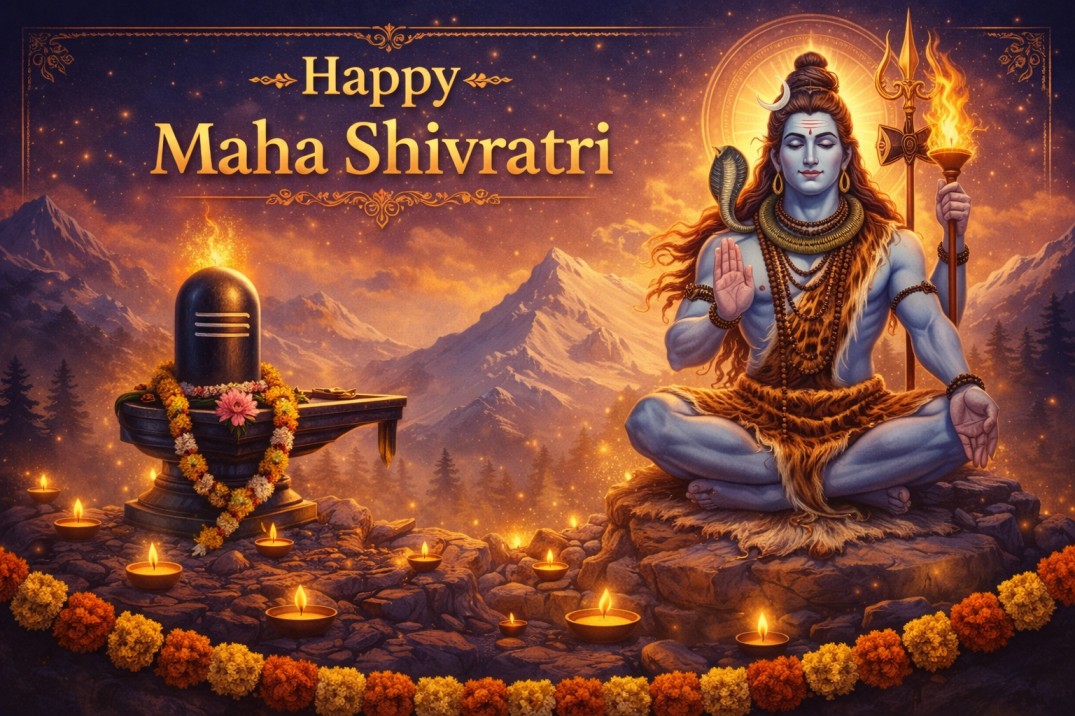
Mahashivratri, revered as the Great Night of Lord Shiva, is among the most spiritually significant festivals in Hinduism. Dedicated to Lord Shiva—the supreme deity of destruction, transformation, and regeneration—this auspicious night celebrates the divine union of Shiva and Goddess Parvati, the triumph of light over darkness, and the awakening of higher consciousness. Devotees across the world observe this sacred occasion through rigorous fasting, all-night vigils (jagran), mantra chanting, meditation, and elaborate worship of the Shiva Linga, seeking blessings for health, prosperity, protection from negativity, removal of sins, and ultimate liberation (moksha).
Mahashivratri 2026 will be celebrated on Sunday, February 15, with the principal rituals and puja performed during the night of February 15 extending into the early morning hours of Monday, February 16. The festival is determined by the Chaturdashi tithi (14th lunar day) of Krishna Paksha in the month of Phalguna according to the North Indian Purnimant calendar. The presence of Chaturdashi tithi throughout the night makes this date exceptionally powerful for Shiva worship.
Mahashivratri 2026 Date and Spiritual Importance
Mahashivratri 2026 Date: Sunday, February 15 (main celebrations)
The core worship continues into the night leading to February 16.
This day holds multiple legendary significances:
- Lord Shiva drank the deadly Halahala poison that emerged during the churning of the ocean (Samudra Manthan) to protect the universe, earning the name Neelkantha (the blue-throated one).
- It marks the celestial marriage of Lord Shiva and Goddess Parvati.
- Shiva performed the cosmic Tandava dance, symbolizing the eternal cycle of creation, preservation, and destruction.
- According to scriptures, sincere worship on this night pleases Lord Shiva immensely, granting boons more readily than on any other day.
For spiritual aspirants, Mahashivratri is considered an ideal time for deep meditation, self-reflection, and connecting with the divine inner self.
Exact Puja Timings for Mahashivratri 2026
Timings are based on standard North Indian panchang calculations (Drik Panchang and similar reliable sources). Slight variations may occur depending on sunrise/sunset in different regions; devotees should confirm with their local panchang or temple.
- Chaturdashi Tithi Begins: February 15, 2026 – approximately 5:04 PM to 5:06 PM
- Chaturdashi Tithi Ends: February 16, 2026 – approximately 5:34 PM to 5:35 PM
- Ratri First Prahar Puja: February 15 evening – ~5:58 PM to 9:09 PM
- Ratri Second Prahar Puja: ~9:09 PM to 12:20 AM (February 16)
- Ratri Third Prahar Puja: ~12:20 AM to 3:31 AM (February 16)
- Ratri Fourth Prahar Puja: ~3:31 AM to sunrise (~6:42 AM on February 16)
- Nishita Kaal Puja (Most Auspicious Midnight Muhurat): February 16, 2026 – 11:55 PM / 12:09 AM to 12:46 AM / 1:01 AM (duration approximately 50–51 minutes)
This midnight window is considered the most powerful time for performing abhishekam and main worship, as Lord Shiva’s divine energy is believed to be at its peak. - Shivaratri Parana (Breaking the Fast): February 16, 2026 – from sunrise (~6:42 AM) to approximately 3:10 PM
Devotees must complete the fast-breaking ritual within this auspicious period after morning prayers.
Mahashivratri 2026 Vrat (Fasting) Rules & Guidelines
Fasting is the most important observance of Mahashivratri, representing detachment, purity, and complete surrender to Lord Shiva. The vrat typically begins at sunrise on February 15 and concludes during the parana time on February 16.
Types of Vrat:
- Nirjala Vrat – Complete fast without food or water (observed by dedicated devotees).
- Phalahar Vrat – Fruit-and-milk-based fast (most popular and manageable).
- Partial Fast – Avoiding all grains while consuming permitted sattvic foods.
Permitted Foods During the Fast:
- Fresh fruits (bananas, apples, pomegranates, oranges, etc.)
- Milk, curd, buttermilk, paneer
- Dry fruits and nuts (almonds, cashews, raisins)
- Sabudana (sago) preparations – khichdi, vada, kheer
- Kuttu (buckwheat) flour roti, paratha, puri
- Singhara (water chestnut) flour items
- Sendha namak (rock salt) for seasoning
- Coconut water, herbal teas (without caffeine)
Foods Strictly Prohibited:
- All grains and cereals (rice, wheat, maize, pulses, lentils)
- Onion, garlic, ginger, tamarind, asafoetida
- Non-vegetarian food, eggs
- Alcohol, tobacco, caffeine
- Regular table salt (only sendha namak allowed)
- Avoid negative emotions, arguments, and impure thoughts
Parana (Breaking the Fast):
Perform morning puja and aarti on February 16, then break the fast within the parana window using light sattvic items such as fruits, milk, or curd to gently restart digestion.
Step-by-Step Puja Vidhi & Rituals for Mahashivratri 2026
- Morning Preparations (February 15) – Wake early, take a bath, wear clean white or light-colored clothes. Clean the puja area and install Shiva Linga, images of Shiva-Parvati, Ganesha, and Nandi.
- Abhishekam – Bathe the Shiva Linga with water, milk, curd, ghee, honey, sugar (panchamrit), and bel patra leaves while chanting “Om Namah Shivaya”.
- Offerings – Bel leaves (in odd numbers: 3, 5, 11), dhatura (symbolic), bhang (traditional & moderate use), fresh fruits, flowers (especially akhada), sandalwood paste, incense sticks, diya, camphor.
- Nishita Kaal Main Puja – Perform elaborate abhishekam, aarti, and mantra recitation during the midnight window.
- Jagran (All-Night Vigil) – Remain awake, read Shiva Purana stories, sing devotional bhajans, recite stotras, or meditate.
- Morning Puja & Parana (February 16) – Sunrise aarti, final offerings, then break the fast.
Powerful Mantras to Chant:
- Basic Mantra: Om Namah Shivaya (minimum 108 times using rudraksha mala)
- Mahamrityunjaya Mantra: Om Tryambakam Yajamahe Sugandhim Pushtivardhanam | Urvarukamiva Bandhanan Mrityor Mukshiya Maamritat ||
- Shiva Tandava Stotra, Rudrashtakam, Shiva Chalisa
Mahashivratri 2026 presents a divine opportunity for inner purification, spiritual growth, and receiving Lord Shiva’s boundless grace. Observe the vrat and rituals with utmost devotion and sincerity.
Har Har Mahadev! 🕉️🚩