Glacial Lake Outburst in Bhutan Triggers Massive Flood Alerts Across West Bengal and Assam
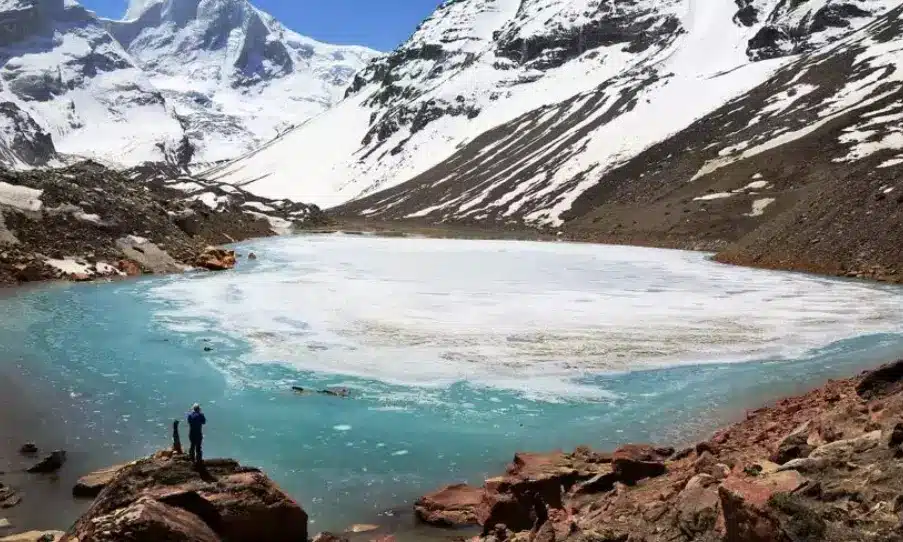
A sudden and powerful glacial lake outburst in Bhutan has triggered widespread flood alerts across northern West Bengal and Assam, forcing more than 10,000 people living along vulnerable riverbanks to move to safer locations. The Glacial Lake Outburst in Bhutan, which originated from Shintaphu Lake in the northern Gasa district, released approximately 7.4 million cubic metres of water that surged downstream through the Mo Chhu (also known as Mofu) river system towards the Sankosh River.
Authorities in both Indian states have placed disaster response teams on high alert, converted schools into relief shelters, and urged residents in low-lying areas to remain vigilant. No injuries or loss of life have been reported so far, but the incident has once again highlighted the growing climate-related threat of Glacial Lake Outburst Floods, or GLOFs, facing the entire Himalayan region.
What Happened at Shintaphu Lake
According to reports from Bhutan, a massive volume of water broke through the natural barrier of Shintaphu Lake. The outburst washed away infrastructure at the popular Gasa Tshachu natural hot springs in Gasa district. Bhutan Broadcasting Service confirmed that the flood caused significant damage to local facilities but resulted in no casualties.
The released water travelled rapidly through the Mo Chhu river system, which feeds into the Punatsangchhu River — known as the Sankosh River once it enters India. The Central Water Commission (CWC) issued a special flood advisory stating that the floodwaters would reach the India-Bhutan border in six to eight hours and could cause a sudden rise in water levels in Alipurduar district of West Bengal and Dhubri district of Assam.
Evacuations and Official Response in India
In West Bengal, more than 10,000 people have already been shifted to relief shelters and safer locations. State Tourism Minister Dr Sankar Ghosh said the administration is closely monitoring developments and has issued precautionary advisories. He noted that no major adverse impact had been reported in Alipurduar district at the time of his statement in Siliguri, but the situation remains under constant watch.
Assam Chief Minister Himanta Biswa Sarma stated that the state government is keeping a close eye on potential impacts in the vulnerable revenue circles of Dhubri and Kokrajhar districts. Disaster response teams have been placed on standby, and continuous coordination is underway with the National Disaster Response Force (NDRF) and other agencies. In a message shared on social media platform X, Sarma urged residents in affected areas to follow official advisories and cooperate with local authorities, emphasising that the administration is fully prepared to act if the situation worsens.
The CWC advisory specifically warned local authorities along the Sankosh River to remain alert, closely monitor water levels, and take all necessary precautionary measures. The Glacial Lake Outburst in Bhutan has demonstrated how a high-altitude disaster can rapidly threaten communities hundreds of kilometres downstream.
Understanding Glacial Lake Outburst Floods
A Glacial Lake Outburst Flood occurs when water stored in a glacial lake is suddenly released. These lakes form as glaciers melt and water accumulates behind natural dams made of ice, rocks and debris known as moraines. Unlike ordinary river floods that build gradually, GLOFs can release enormous volumes of water in a very short time, creating powerful torrents that carry rocks, mud, boulders, trees and other debris.
Such floods are capable of destroying bridges, roads, houses and hydropower infrastructure along their path. The Himalayan region is particularly vulnerable because of its large number of glacial lakes, many of which have expanded due to rising temperatures and accelerated glacier melt linked to climate change. The latest Glacial Lake Outburst in Bhutan is a clear reminder of this escalating risk.
Scientists and disaster management experts have long warned that the frequency and intensity of GLOFs in the Hindu Kush Himalaya are increasing. Lakes that once appeared stable can become unstable as ice cores within moraines melt or as heavy rainfall and seismic activity weaken the natural barriers. When these barriers fail, the resulting floods can travel long distances at high speed, giving downstream communities little time to react.
Broader Implications for the Region
The Sankosh River system is shared between Bhutan and India, making cross-border early warning and coordination essential. The current incident shows both the value and the limitations of existing monitoring systems. While the Indian Embassy in Bhutan promptly reported the outburst to Indian authorities, and the CWC was able to issue an advisory, the speed of the floodwaters still required rapid ground-level response.
Communities living along the riverbanks in Alipurduar and Dhubri face particular risk because many settlements, agricultural fields and infrastructure are located in flood-prone zones. Temporary relocation to schools and relief camps provides immediate safety, but repeated evacuations disrupt livelihoods, education and daily life. Long-term solutions will require better mapping of glacial lakes, strengthened early-warning systems, and careful planning of development in downstream areas.
Hydropower projects, roads and bridges in the eastern Himalaya are also exposed. Past GLOF events in the region have damaged critical infrastructure, leading to economic losses and prolonged recovery periods. The destruction of facilities at Gasa Tshachu underlines how even popular tourist and cultural sites high in the mountains can be affected, with cascading effects on local economies.
Climate Change and Future Risks
The Glacial Lake Outburst in Bhutan fits into a larger pattern of climate-driven hazards across the Himalayas. Rising average temperatures are causing glaciers to retreat and glacial lakes to grow. Studies have identified hundreds of potentially dangerous lakes in the region. While not every lake will burst, the increasing number of unstable water bodies raises the overall probability of future GLOF events.
Experts emphasise the need for continuous satellite monitoring, ground-based sensors, and community-level preparedness. Early warning systems that can detect sudden lake level changes and transmit alerts rapidly to downstream areas are critical. Equally important is public awareness so that residents understand the risks and know how to respond when alerts are issued.
International cooperation between Bhutan, India and other Himalayan nations will play a key role. Sharing real-time data on lake conditions, river flows and weather patterns can improve response times and reduce the impact of future outbursts. The current coordination between Bhutanese authorities, the Indian Embassy, the CWC, state governments and the NDRF offers a useful model that can be strengthened further.
Current Situation and What Comes Next
As of the latest updates, water levels are being closely watched along the Sankosh River. Relief camps remain operational in West Bengal, and Assam continues to maintain heightened preparedness in Dhubri and Kokrajhar. Residents have been advised to stay away from riverbanks, avoid unnecessary travel in vulnerable areas, and follow instructions from local disaster management officials.
The Glacial Lake Outburst in Bhutan has so far been contained without reported loss of life, thanks to timely alerts and rapid evacuation. However, the volume of water released — 7.4 million cubic metres — is substantial, and the full downstream effects may still unfold over the coming hours and days. Continuous monitoring remains essential.
This event serves as a powerful illustration of how climate change is reshaping risk landscapes in the Himalayas. What begins as melting ice high in the mountains can quickly become a threat to lives and livelihoods far below. Strengthening scientific monitoring, improving early-warning networks, and building community resilience will be vital to reducing the human cost of future Glacial Lake Outburst Floods.
Authorities in West Bengal and Assam continue to appeal for public cooperation. By remaining alert and following official guidance, residents can help ensure that this latest Glacial Lake Outburst in Bhutan does not turn into a larger tragedy. The coming days will show whether the preparedness measures put in place are sufficient to manage the surge of water now moving through the Sankosh River system.