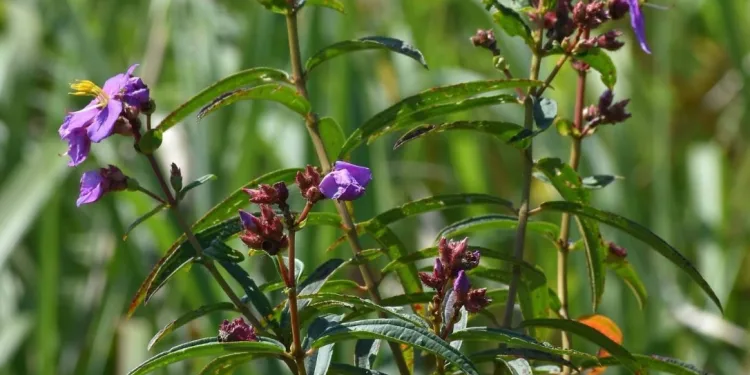
Osbeckia zubeengargiana: New Plant Species Discovered in Assam’s Manas National Park Named After Legendary Singer Zubeen Garg
Osbeckia zubeengargiana: A Botanical Tribute to Zubeen Garg – New Species Discovered in Assam’s Iconic Manas National Park
In a remarkable fusion of science, culture, and environmental appreciation, researchers from Gauhati University have unveiled a new flowering plant species in Assam, naming it Osbeckia zubeengargiana after the beloved Assamese icon Zubeen Garg. This discovery, published on March 13, 2026, in the prestigious international botanical journal Phytotaxa, highlights the rich biodiversity of Northeast India while paying homage to Garg’s enduring contributions to Assamese music, arts, and nature conservation advocacy.
The naming of Osbeckia zubeengargiana is more than a scientific milestone—it’s a heartfelt recognition of how culture and conservation intersect. Zubeen Garg, widely regarded as the “King of Assamese Music,” has long used his platform as a singer, lyricist, filmmaker, poet, and cultural ambassador to promote environmental awareness and preserve Assam’s natural heritage. By immortalizing his name in the genus Osbeckia, the researchers underscore the vital role public figures play in fostering ecological consciousness among the masses.
The Discovery: Years of Dedicated Floristic Surveys
The breakthrough came after extensive fieldwork conducted between 2021 and 2025 by a dedicated team of botanists: Barnali Das (formerly associated with the Department of Botany at Gauhati University and now an Assistant Professor at Pragjyotish College), Prashob Pulpra (from NSS College, Kerala), and Prof. Namita Nath (Gauhati University). Their efforts were part of a doctoral research project focused on the Melastomataceae family in Assam, a diverse group of flowering plants known for their vibrant blooms and ecological importance in tropical and subtropical regions.
During floristic surveys in the grassland ecosystems of Manas National Park—a UNESCO World Heritage Site in Baksa district—the team collected specimens of an unfamiliar Osbeckia shrub. Detailed morphological examinations revealed it as a distinct species, previously undocumented in scientific literature.
Voucher specimens have been deposited at the Gauhati University Herbarium (GUBH), ensuring future researchers can access and verify the findings. The formal description in Phytotaxa confirms Osbeckia zubeengargiana as a valid new species, adding to the global tally of the genus Osbeckia, which comprises around 43 species worldwide, many endemic to biodiversity hotspots like the Eastern Himalayas and Western Ghats.
Morphological Characteristics of Osbeckia zubeengargiana
Osbeckia zubeengargiana is classified as a perennial erect shrub capable of reaching heights of up to 3.5 meters. It thrives in open grassland habitats, where it forms part of the diverse understory vegetation.
Key features include:
- Flowers: Distinctive pink tetramerous (four-parted) blooms, a hallmark of many Osbeckia species. These flowers add a splash of color to the grasslands during the blooming season.
- Flowering and Fruiting Period: Mid-September to January, aligning with Assam’s post-monsoon and winter phases when many grassland plants reach reproductive maturity.
- Associated Flora: Commonly found growing alongside species such as Chrysopogon zizanioides (vetiver grass), Maesa indica, Bombax ceiba (simul tree), and Dillenia pentagyna. This community reflects the typical grassland mosaic of Manas, supporting a wide array of wildlife from herbivores to birds.
The species shows close affinities to Osbeckia rostrata, sharing traits like tetramerous flowers. However, it differs significantly in several diagnostic characters:
- Leaf structure and venation patterns
- Flower arrangement and bract morphology
- Hypanthium (the floral cup) shape
- Intersepalar emergences
- Ciliated style base
- Seed size and morphology
These distinctions were meticulously documented through comparative studies, microscopy, and field observations, ensuring the species’ novelty is irrefutable.
Habitat and Ecological Significance in Manas National Park
Manas National Park, spanning the foothills of the Bhutan Himalayas, is renowned for its exceptional biodiversity. As a Tiger Reserve, Elephant Reserve, and UNESCO site, it harbors grasslands, forests, and wetlands that support endangered species like the Bengal tiger, Indian rhinoceros, pygmy hog, and golden langur.
The grasslands where Osbeckia zubeengargiana was found are critical ecosystems, serving as grazing grounds for herbivores and buffering against erosion. The park has faced challenges from habitat loss, invasive species, and historical anthropogenic pressures, but conservation efforts have restored much of its glory.
A relatively large population of Osbeckia zubeengargiana was observed during surveys, suggesting the species is not immediately threatened. However, ongoing monitoring is essential in this dynamic landscape, where climate change, flooding, and human-wildlife interactions pose risks.
The discovery enriches Assam’s botanical inventory and contributes to understanding the genus Osbeckia‘s diversification in the Eastern Himalayas—a region with high endemism due to its varied topography and climatic gradients.
Zubeen Garg: The Cultural Icon Behind the Name
Zubeen Garg’s influence on Assamese society is profound. With a career spanning decades, he has popularized Assamese folk and modern music, composed timeless songs, directed films, and penned poetry that resonates with cultural pride.
Beyond entertainment, Garg has championed environmental causes, raising awareness about deforestation, wildlife protection, and sustainable living through concerts, social media, and public campaigns. Naming Osbeckia zubeengargiana after him bridges botany and popular culture, inspiring younger generations to value both heritage and nature.
Researchers noted that this eponym celebrates not just Garg’s artistic legacy but his advocacy for conservation—aligning perfectly with the spirit of scientific discovery in a biodiversity-rich state like Assam.
Broader Implications for Biodiversity and Research in Northeast India
This finding underscores the importance of continued taxonomic research in under-explored regions. Northeast India, with its megadiverse ecosystems, remains a frontier for new species descriptions. The Melastomataceae family alone harbors untapped diversity, and projects like this doctoral study pave the way for more discoveries.
Osbeckia zubeengargiana adds to the growing list of plants named after notable figures or places in India, highlighting how nomenclature can honor contributions while advancing science.
For conservationists, the species serves as a reminder of the interconnectedness of cultural pride and ecological preservation. Public engagement, inspired by icons like Zubeen Garg, can amplify efforts to protect habitats like Manas.
Why This Discovery Matters for Assam and Beyond
- Scientific Value: Enhances knowledge of Osbeckia taxonomy and Himalayan floristics.
- Cultural Pride: A unique tribute linking Assamese arts with science.
- Conservation Boost: Raises visibility for Manas National Park’s grasslands.
- Inspiration: Encourages youth to pursue botany, ecology, and environmental activism.
As Assam celebrates this milestone, Osbeckia zubeengargiana stands as a living symbol of harmony between tradition, creativity, and nature.