WHO Declares Hantavirus Cruise Ship Outbreak Over: 13 Cases, 3 Deaths on MV Hondius – Full Details
WHO Ends Deadly Hantavirus Cruise Outbreak: 13 Cases!
Geneva, July 3, 2026: In a major relief for global health authorities and cruise enthusiasts worldwide, the World Health Organization (WHO) has officially declared the Hantavirus outbreak linked to the polar exploration cruise ship MV Hondius over. The announcement brings closure to an international health scare that began in April 2026 and affected passengers and crew across multiple continents.
WHO Director-General Tedros Adhanom Ghebreyesus confirmed the end of the outbreak during a press conference on Thursday, stating that the final contact of a person exposed to the virus had completed quarantine, tested negative, and returned home safely. No new cases have been reported since May 25, 2026.
Complete Timeline of the Hantavirus Cruise Ship Crisis
The Dutch-flagged MV Hondius departed from Ushuaia, Argentina, on April 1, 2026, for a remote expedition covering islands in the South Atlantic, including the isolated Tristan da Cunha. The ship later headed north to Tenerife in Spain’s Canary Islands, where passengers were evacuated amid growing concerns. It finally docked in Rotterdam, Netherlands, on May 18, 2026, and was cleared for sea again on May 30 after thorough cleaning and disinfection.
Health authorities confirmed 12 cases of Hantavirus and one probable case, resulting in three tragic deaths. The outbreak triggered a global health alert due to the rare human-to-human transmission potential of the Andes virus strain involved.
More than 650 contacts were identified and monitored by health authorities across 33 countries and territories, demonstrating an impressive level of international coordination.
Why This Hantavirus Outbreak Raised Global Alarm
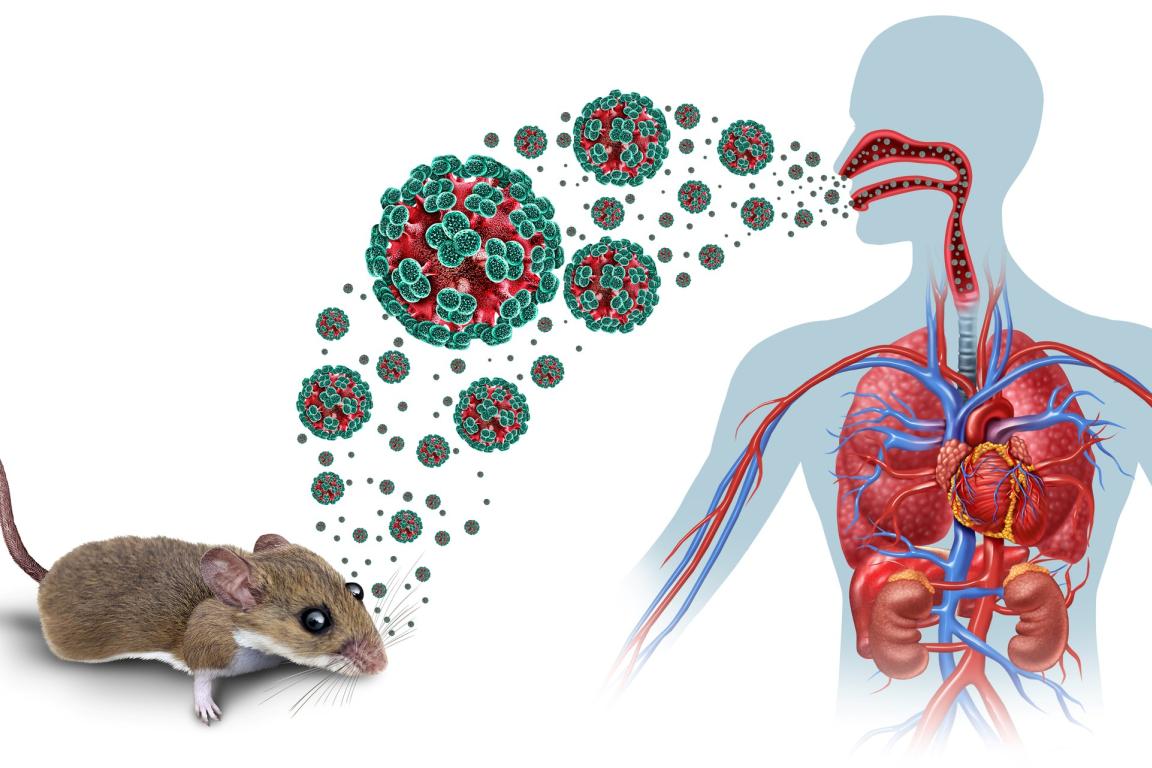
Hantavirus is primarily spread by rodents, and until this incident, many believed human-to-human transmission was extremely limited. The Andes species responsible for the MV Hondius cases is the only known strain capable of person-to-person spread. This unique characteristic turned a routine cruise into a significant public health challenge.
Initial investigations suggested a passenger might have contracted the virus in endemic regions of Argentina. However, Argentina’s health ministry later reported that searches in a second province found no virus-carrying rodents, leaving some questions about the exact origin still under review.
The rapid response included quarantine measures, contact tracing, and international collaboration that ultimately prevented further spread. WHO’s declaration marks a successful containment of a rare but potentially dangerous viral outbreak on a cruise ship.
Lessons Learned and Future Preparedness Against Hantavirus
While the Hantavirus outbreak on the cruise ship is now over, experts emphasize that the real work is just beginning. WHO is coordinating a major study involving 21 countries to better understand disease progression, which will aid development of diagnostics, therapeutics, and crucially, vaccines for future outbreaks.
Tedros highlighted the importance of continued vigilance: “Andes virus and other hantaviruses remain a public health threat for South America and some other endemic areas.” Local communities in high-risk zones must be actively involved in monitoring and prevention efforts.
This episode has also renewed calls for completing the missing parts of the Pandemic Agreement, which WHO hopes member states will finalize later this month.
Understanding Hantavirus: Symptoms, Risks, and Prevention
Hantavirus infections can cause serious respiratory illnesses. Early symptoms often include fever, muscle aches, fatigue, and headaches, progressing in some cases to severe breathing difficulties. There are currently no specific vaccines or targeted treatments available, making prevention and rapid response essential.
Cruise operators and travelers to rodent-prone or endemic areas are advised to follow strict hygiene protocols. The MV Hondius incident serves as a wake-up call for the entire cruise industry to enhance onboard health monitoring and emergency response capabilities.
Global Impact and Coordinated Response
The successful containment of this Hantavirus outbreak showcases the strength of global health networks. Health authorities in 33 countries worked seamlessly to track and support exposed individuals. The fact that no further cases emerged after May 25 is a testament to effective quarantine and monitoring protocols.
For the cruise industry, which has faced multiple health challenges in recent years (including previous norovirus and COVID-19 incidents), this event underscores the need for robust pre-departure screenings and onboard medical facilities, especially for expeditions to remote regions.
What Travelers Need to Know Before Booking Cruises in 2026-2027
As the world moves forward after this Hantavirus scare:
- Choose reputable cruise lines with strong health and safety records.
- Check WHO and CDC travel advisories before booking trips to South America or remote islands.
- Be aware of symptoms and seek immediate medical help if feeling unwell after travel.
- Support ongoing research efforts that could lead to better protections against Hantavirus and similar threats.
The end of the MV Hondius outbreak is positive news, but it also highlights vulnerabilities in our interconnected world where a single ship can carry health risks across oceans.
Broader Implications for International Health Security
This Hantavirus event comes at a time when global health systems are still strengthening post-pandemic capabilities. The quick declaration of the outbreak’s end should boost confidence in international response mechanisms. However, the need for sustained investment in surveillance, research, and equitable access to future vaccines remains critical.
WHO officials, including high-impact epidemics chief Diana Rojas Alvarez, have stressed that while this specific outbreak no longer poses a public health risk, hantaviruses continue to be a concern in endemic regions. Continuous monitoring and community engagement will be key to preventing similar incidents.
Conclusion: A Victory for Global Health Collaboration
The WHO’s announcement that the Hantavirus cruise ship outbreak is over represents a significant victory for public health cooperation. With 13 total cases and three deaths, the incident was serious, but the absence of wider spread demonstrates what effective global action can achieve.
As scientists delve deeper into the Andes virus through multi-country studies, the hope is that lessons from the MV Hondius will lead to better preparedness and potentially life-saving medical advancements.
Travelers can breathe easier knowing that stringent measures worked, but the global health community must remain proactive. Hantavirus may be rare, but in our mobile world, vigilance is the best defense.
This story will continue to evolve as more scientific insights emerge from ongoing research. For the latest updates on Hantavirus, cruise ship health protocols, and WHO guidelines, stay connected with us.