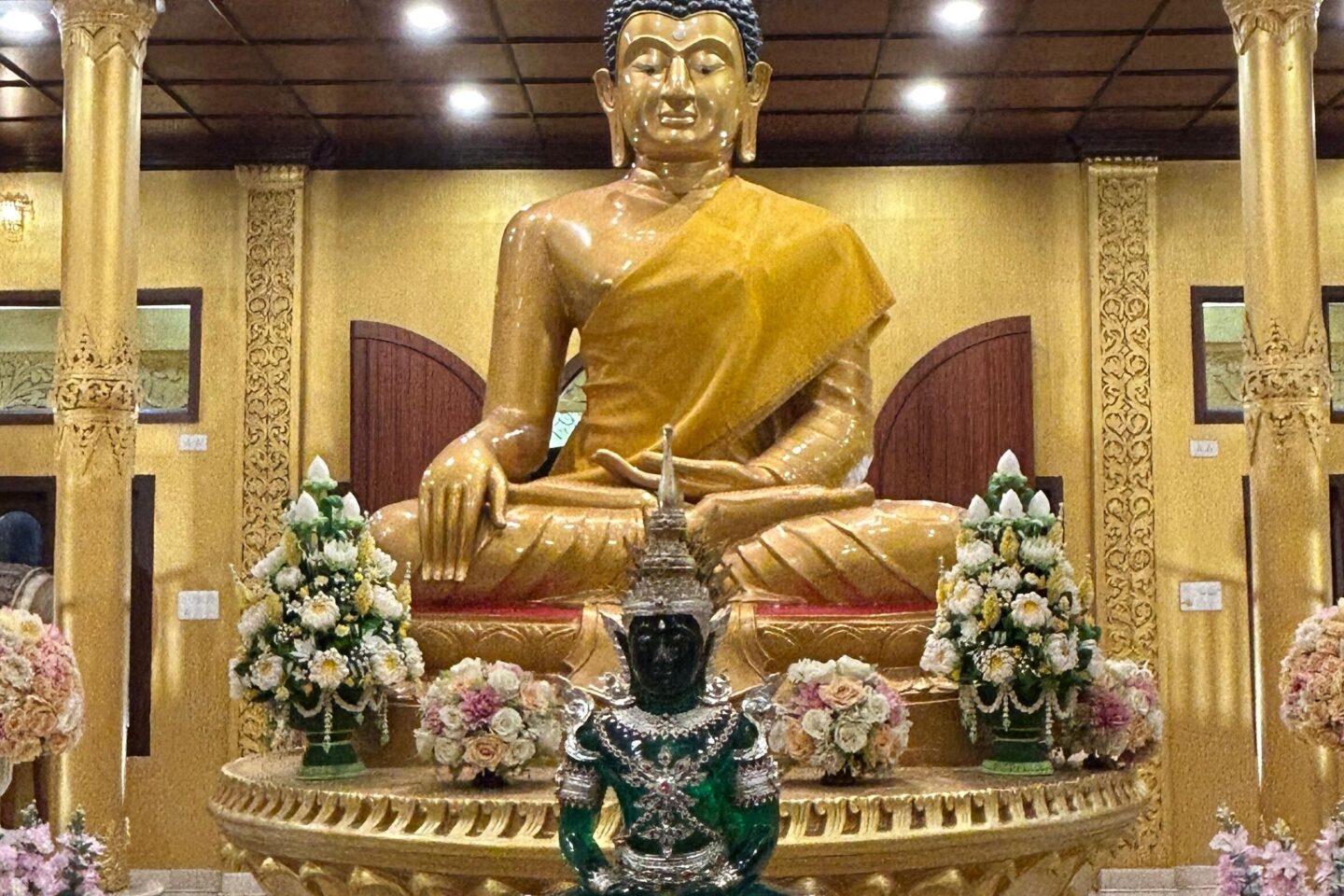
Buddha Purnima 2026: Date, Significance, Celebrations in India & Kolkata – 2588th Birth Anniversary of Gautama Buddha
Buddha Purnima 2026: A Global Celebration of Peace, Wisdom, and Enlightenment on May 1
As the world grapples with stress, conflict, and rapid change, the message of Buddha Purnima shines brighter than ever. Also widely known as Buddha Jayanti or Vesak, this sacred festival commemorates the birth, enlightenment (Bodhi), and Mahaparinirvana (final passing) of Siddhartha Gautama, revered as Gautama Buddha or the Enlightened One.
In 2026, Buddha Purnima is observed on Friday, May 1. The Purnima tithi (full moon lunar phase) begins on the evening of April 30, 2026 (around 9:12 PM) and ends on May 1, 2026 (around 10:52 PM), making May 1 the primary day of celebration across India and many Buddhist communities.
This year marks the 2588th birth anniversary of Lord Buddha. As a gazetted public holiday in several Indian states including West Bengal, Bihar, Maharashtra, Uttar Pradesh, and others, Buddha Purnima 2026 offers a perfect opportunity for spiritual reflection, meditation, and acts of compassion.
The Profound Significance of Buddha Purnima
Buddha Purnima is unique because it honors three major milestones in the Buddha’s life, all traditionally believed to have occurred on the full moon day (Vaishakha Purnima):
- Birth of Prince Siddhartha in Lumbini.
- Enlightenment under the Bodhi tree in Bodh Gaya.
- Mahaparinirvana (final nirvana) at Kushinagar.
For Buddhists worldwide, this day is not just a birthday but a reminder of the possibility of awakening from ignorance and suffering. The United Nations recognizes Vesak (Buddha Purnima) internationally, acknowledging Buddhism’s immense contribution to global peace, ethics, and spirituality for over 2,500 years.
In India, where Buddhism originated, the festival also carries cultural resonance. Some Hindu traditions revere Buddha as the ninth avatar of Lord Vishnu, blending spiritual streams and promoting interfaith harmony.
Detailed Life Story of Gautama Buddha
Siddhartha Gautama was born around 563 BCE in the Lumbini gardens (present-day Nepal) to King Suddhodana and Queen Maya of the Shakya clan. Legend describes a miraculous birth: Queen Maya gave birth while traveling, standing under a sal tree. The infant prince took seven steps, each sprouting a lotus, and declared his purpose to end suffering.
Raised in royal luxury at Kapilavastu, Siddhartha was protected from life’s harsh realities. At 29, he encountered the Four Sights — an old man, a sick person, a dead body, and a serene ascetic. These encounters shattered his illusions and sparked the Great Renunciation. He left behind his wife Yashodhara, infant son Rahula, and palace life to seek truth.
After six years of intense ascetic practices, extreme fasting, and meditation, Siddhartha realized the futility of self-mortification. Sitting under the sacred Bodhi tree (pipal tree) in Bodh Gaya, Bihar, at the age of 35 on a full moon night, he attained enlightenment. He overcame the temptations of Mara (the demon of illusion) and realized the Four Noble Truths:
- Dukkha — The truth of suffering (life involves pain, aging, illness, and death).
- Samudaya — The cause of suffering (craving, attachment, and ignorance).
- Nirodha — The cessation of suffering (it is possible to end suffering by eliminating its causes).
- Magga — The path to end suffering (the Noble Eightfold Path).
The Noble Eightfold Path forms the practical guide to ethical and mental development:
- Right Understanding
- Right Intention
- Right Speech
- Right Action
- Right Livelihood
- Right Effort
- Right Mindfulness
- Right Concentration
This “Middle Way” avoids extremes of indulgence and severe austerity.
After enlightenment, the Buddha delivered his first sermon, “Setting in Motion the Wheel of Dharma,” at the Deer Park in Sarnath near Varanasi. He established the Sangha (monastic community) and spent the next 45 years teaching across northern India, emphasizing karuna (compassion), metta (loving-kindness), ahimsa (non-violence), mindfulness, and impermanence (anicca).
At the age of 80, in Kushinagar, Uttar Pradesh, the Buddha entered Mahaparinirvana — his final passing into complete nirvana — again on a Vaishakha Purnima. His last teaching was profound: “All conditioned things are subject to decay. Strive on with diligence.”
Why Buddha Purnima 2026 Matters More Than Ever
In our hyper-connected yet often anxious world, the Buddha’s teachings offer practical tools for mental well-being. Mindfulness practices derived from Buddhist meditation have been scientifically validated for reducing stress, anxiety, and depression. Concepts like impermanence help navigate loss and change, while compassion counters rising polarization.
Buddha Purnima encourages us to move beyond material pursuits toward inner peace. As the quote attributed to the Buddha says: “Peace comes from within. Do not seek it without.”
How Buddha Purnima is Celebrated Across India and the World
Celebrations of Buddha Purnima blend devotion, reflection, and community service. Common rituals include:
- Early morning visits to temples and stupas for prayers and offerings of flowers, incense, candles, fruits, and sweets.
- Symbolic bathing of Buddha statues with scented water or milk, recalling the heavenly showers at his birth.
- Chanting of sutras, meditation sessions, and sermons by monks on the Dharma.
- Observing the Eight Precepts for the day — enhanced moral discipline that includes vegetarian food, abstaining from intoxicants, and avoiding entertainment.
- Lantern processions, candlelight vigils, and decoration of homes and temples with Buddhist flags and lights. Lanterns symbolize the dispelling of darkness (ignorance) by wisdom.
- Acts of merit (punya): Charity, blood donation, feeding the poor, donating to monasteries, and (ethically) releasing animals without causing further harm.
- Community gatherings, cultural programs, and peace marches promoting non-violence.
In Southeast Asian countries like Sri Lanka, Thailand, Myanmar, Cambodia, and Laos (where it is called Vesak or Wesak), celebrations feature grand lantern festivals, illuminated streets, elephant processions, and nationwide holidays with free vegetarian meals distributed.
Buddha Purnima Celebrations in Kolkata and West Bengal
In Kolkata and broader West Bengal, Buddha Purnima 2026 brings vibrant yet serene observances. The city’s Buddhist community, along with devotees from various backgrounds, gathers at monasteries and temples.
Popular spots include:
- Monasteries in the Tangra area.
- Historic Buddhist centers and mathas in Kolkata.
- Sambodhi Buddhist Monastery in Tollygunge (Ranikuthi), which often hosts special programs on May 1-2 with prayers, discourses, and community meals.
- Organized day trips and trails visiting multiple Buddhist monasteries in and around Kolkata.
- Events at venues like Dhono Dhanyo Auditorium featuring Wesak celebrations with meditation and spiritual programs.
The Indian Museum in Kolkata, with its rich collection of Buddhist artifacts, sculptures, and relics, frequently highlights Buddhist heritage during this time. Devotees engage in prayers, cultural performances, and reflection on the teachings of peace and non-violence. In the Himalayan regions of West Bengal like Darjeeling and Kalimpong, celebrations carry stronger Tibetan Buddhist influences with elaborate rituals.
West Bengal observes Buddha Purnima as a regional holiday, allowing many to participate fully in temple visits and introspection.
Major pilgrimage sites in India — Lumbini (birth), Bodh Gaya (enlightenment), Sarnath (first sermon), and Kushinagar (Mahaparinirvana) — witness massive gatherings, special prayers, relic expositions, and cultural events on Buddha Purnima 2026.
Practical Ways to Observe Buddha Purnima 2026
Even if you cannot visit a temple, you can meaningfully celebrate:
- Practice mindfulness or guided meditation for at least 20-30 minutes.
- Read or listen to teachings from the Dhammapada or basic Buddhist texts.
- Consume only vegetarian food and avoid intoxicants.
- Perform acts of kindness — help someone in need, forgive an old grudge, or donate to a worthy cause.
- Light a lamp or candle at home while reflecting on the Buddha’s message of wisdom overcoming ignorance.
- Share inspiring Buddha quotes on social media to spread positivity.
For families, it is an excellent opportunity to teach children values of compassion, non-violence, and ethical living through simple stories from the Buddha’s life (Jataka tales).
Timeless Relevance of Buddha’s Teachings in 2026
The core of Buddhism — understanding suffering and its end through ethical living and mental training — remains universally applicable. Whether you follow Buddhism, Hinduism, or any other path, Buddha Purnima invites everyone to cultivate inner peace.
In an era of artificial intelligence, climate challenges, and social divisions, the Middle Way offers balance. Mindfulness helps combat digital distraction, compassion fosters better relationships, and non-violence promotes sustainable harmony with nature and fellow beings.
Dr. B.R. Ambedkar, who revived interest in Buddhism in modern India through mass conversion, saw in it a path of equality and rationality. Today, millions across India, including Ambedkarite Buddhists, observe Buddha Purnima with renewed vigor.
Conclusion: Embracing the Light of Wisdom on May 1, 2026
As Buddha Purnima 2026 dawns on Friday, May 1, let us pause amid our busy lives. Visit a local temple or monastery if possible — especially in Kolkata and West Bengal where vibrant programs await. Or simply sit quietly, breathe mindfully, and reflect on how we can reduce suffering in ourselves and others.
The Buddha did not claim divinity; he taught that anyone can awaken through diligent practice. His invitation remains open: wake up to reality, cultivate wisdom and kindness, and walk the path of peace.
May the teachings of Gautama Buddha illuminate our minds and hearts. May compassion and mindfulness guide our actions in 2026 and beyond.
“Do not dwell in the past, do not dream of the future, concentrate the mind on the present moment.” — Gautama Buddha
Buddha Purnima ki hardik shubhkamnayein! Happy Buddha Purnima 2026. May all beings be happy, peaceful, and free from suffering.