Shikha Sharma Bail Granted in Zubeen Garg Character Assassination Case: Kamrup Court Approves Release Amid Massive Public Outrage
Shikha Sharma Bail Granted: Major Relief for Controversial Figure in High-Profile Zubeen Garg Character Assassination Case
Guwahati, February 18, 2026 – In a significant legal twist that has sent shockwaves through Assam’s cultural and social circles, the Kamrup District Sessions Judge’s Court has approved the bail application of Shikha Sharma, the controversial woman accused of character assassination and making obscene, derogatory comments against legendary Assamese singer Zubeen Garg, his wife Garima Saikia Garg, and other family members.
The ruling marks a key milestone in a case that originated from explosive social media posts and escalated into a full-fledged police investigation by the Assam Police Crime Branch. With Shikha Sharma bail granted, she is expected to walk out of custody soon, though the legal proceedings against her will continue.
Background of the Controversy: From Social Media Posts to Arrest
The saga traces back to the tragic and mysterious death of Zubeen Garg in Singapore in September 2025, an event that left millions of fans devastated and sparked widespread speculation, conspiracy theories, and ongoing investigations into alleged foul play. In the months following his demise, emotions ran high across Assam, with fans, family, and organizations fiercely protective of the late icon’s legacy.
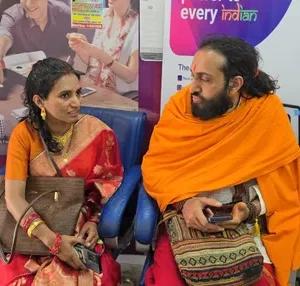
Enter Shikha Sharma, a social media-active writer and commentator based in Guwahati. Reports indicate that she repeatedly posted content on Facebook that was deemed highly objectionable, including obscene remarks, defamatory statements, and allegations perceived as tarnishing Zubeen Garg’s character, family, and even linking to the circumstances of his death.
These posts allegedly targeted not just the singer but also his wife Garima Saikia Garg, his father, and his sister. The language used was described in complaints as “obscene,” “derogatory,” “hateful,” and even “communally provocative,” hurting public sentiments and disrespecting Assamese cultural icons.
On January 19, 2026—marking four months since Zubeen Garg’s passing—Garima Saikia Garg filed a formal FIR (First Information Report) with the Assam Police Crime Branch. She accused Shikha Sharma of deliberate character assassination through sustained online harassment. Additional complaints poured in from the Zubeen Garg Fan Club and several other organizations, amplifying the pressure on authorities.
Acting swiftly, the Crime Branch arrested Shikha Sharma from her residence in Guwahati. She was initially detained at the Panbazar Women Police Station and later produced in court. The case was registered under multiple sections of the Bharatiya Nyaya Sanhita (BNS), including provisions related to defamation, criminal intimidation, and acts endangering public harmony.
During her initial court appearances, Shikha Sharma claimed her arrest and bail denials stemmed from a “political conspiracy” involving opposition forces, arguing that defamation cases are typically bailable. However, the non-bailable framing of charges kept her in custody until today’s hearing.
Court Hearing and Bail Approval: Detailed Arguments
Today’s proceedings at the Kamrup District Sessions Judge’s Court became the focal point of public attention. Shikha Sharma’s legal team, comprising experienced advocates Pranab Kumar Das and Aslam Khan, mounted a robust defense.
The lawyers presented detailed arguments emphasizing:
- The nature of the offense as primarily related to online speech, which they argued falls under freedom of expression protections unless it crosses into clear incitement.
- The bailable aspects of certain charges in defamation-related matters.
- Lack of direct physical harm or violence stemming from the posts.
- Shikha Sharma’s cooperation with the investigation and no prior criminal record.
Prosecutors, representing the Assam Police, opposed bail citing the widespread outrage, potential for tampering with evidence or witnesses, and the sensitive nature of offending a beloved public figure’s grieving family.
After thorough deliberation, the Sessions Judge ruled in favor of bail, granting Shikha Sharma relief. While specific bail conditions (such as surety amount, restrictions on social media activity, or appearance requirements) were not immediately detailed in initial reports, sources indicate she will be released shortly.
This decision has reignited discussions on the balance between online free speech and accountability for character assassination in the digital era.
Public Reactions: Mixed and Polarized
The Shikha Sharma bail granted verdict has elicited sharply divided responses:
- Zubeen Garg’s Fans and Supporters: Many expressed disappointment and anger, viewing the bail as lenient in a case involving insult to a cultural legend. Social media platforms are flooded with hashtags demanding stricter action and justice for Zubeen Garg’s legacy. Fan clubs have reiterated calls for fast-tracking related probes into his death.
- Free Speech Advocates: Some sections praised the court’s decision, arguing that jailing individuals for controversial opinions—even offensive ones—sets a dangerous precedent. They highlight that defamation should be handled through civil suits rather than criminal custody in non-violent cases.
- General Public in Assam: Reactions remain mixed, with debates raging on the role of social media in public discourse, the boundaries of criticism versus harassment, and the emotional weight carried by Zubeen Garg’s death.
Garima Saikia Garg and the family have not issued an immediate official statement on the bail, but earlier comments from her emphasized the pain caused by such online attacks during a time of immense grief.
Broader Implications: Social Media, Defamation, and Celebrity Privacy
This case underscores several pressing issues in contemporary India:
- Rise of Cyber Defamation: With platforms like Facebook enabling instant reach, derogatory comments can go viral quickly, causing irreversible reputational damage—especially to grieving families.
- Character Assassination Laws: Under the new BNS framework, provisions addressing online offenses are being tested. This ruling may set precedents for future bail considerations in similar cases.
- Protection of Public Figures’ Families: Celebrities’ kin often bear the brunt of online trolls. The involvement of Garima Saikia Garg highlights how personal loss intersects with public scrutiny.
- Assam’s Cultural Sensitivity: Zubeen Garg was more than a singer—he was a cultural ambassador for Assamese identity. Insults to his memory evoke deep regional pride and outrage.
The incident has also fueled calls for stricter social media regulations in Assam and nationwide, including better mechanisms for reporting and removing defamatory content swiftly.
What Happens Next?
With bail granted, Shikha Sharma is no longer in custody, but the case remains active. Police will continue their investigation, potentially filing a chargesheet. The trial will determine if the allegations hold up, and whether penalties—fines, imprisonment, or restrictions—will be imposed.
Meanwhile, the Zubeen Garg death probe (handled by a Special Investigation Team) progresses separately, with multiple accused facing their own bail hearings and developments.
This high-profile matter continues to captivate Assam, blending law, emotion, celebrity, and digital ethics. As debates intensify, one thing is clear: the Shikha Sharma Zubeen Garg controversy will influence discussions on online responsibility for years to come.
Stay tuned to our website for exclusive updates, expert opinions, and in-depth analysis on this evolving story. Share your thoughts in the comments below—what do you think about the bail decision?