Prime Minister Narendra Modi’s Historic Second Visit to Israel: Strengthening Strategic Ties in February 2026.
Prime Minister Narendra Modi is set to embark on a highly anticipated two-day state visit to Israel on February 25-26, 2026, marking his second official trip to the country after his landmark 2017 visit. This high-profile engagement, at the invitation of Israeli Prime Minister Benjamin Netanyahu, comes at a pivotal moment in global geopolitics and is poised to elevate the already robust India-Israel strategic partnership to new heights.
The visit underscores the deepening bonds between the two vibrant democracies, focusing on key areas such as defence, technology, cybersecurity, artificial intelligence (AI), quantum computing, agriculture, water management, trade, and national security. With bilateral trade already reaching multi-billion dollars and Israel emerging as one of India’s top defence partners, this trip is expected to unlock fresh opportunities for collaboration amid shared challenges in an increasingly complex world.
Historical Context: From 1992 Diplomatic Ties to Modi’s 2017 Milestone
India and Israel established full diplomatic relations in 1992, paving the way for steady growth in cooperation across multiple domains. Over the decades, the partnership has evolved from cautious engagement to a comprehensive strategic alliance. Defence has been a cornerstone, with Israel supplying critical systems like drones, missile defence technologies, and surveillance equipment that have bolstered India’s security apparatus.
The turning point came in July 2017 when Prime Minister Narendra Modi made history as the first Indian Prime Minister to visit Israel. That visit symbolized a paradigm shift, moving beyond traditional non-alignment considerations and embracing open, multifaceted ties. During the 2017 trip, Modi and Netanyahu emphasized shared values of innovation, entrepreneurship, and resilience against terrorism. Agreements were signed in agriculture, water technology, and cybersecurity, setting the stage for accelerated cooperation.
Fast-forward to 2026: Modi’s return visit reaffirms this trajectory. As India positions itself as a global leader in technology and manufacturing, and Israel continues to innovate amid regional complexities, the two nations are aligning on a broader vision of mutual prosperity and security.
Detailed Itinerary of PM Modi’s Second Visit to Israel
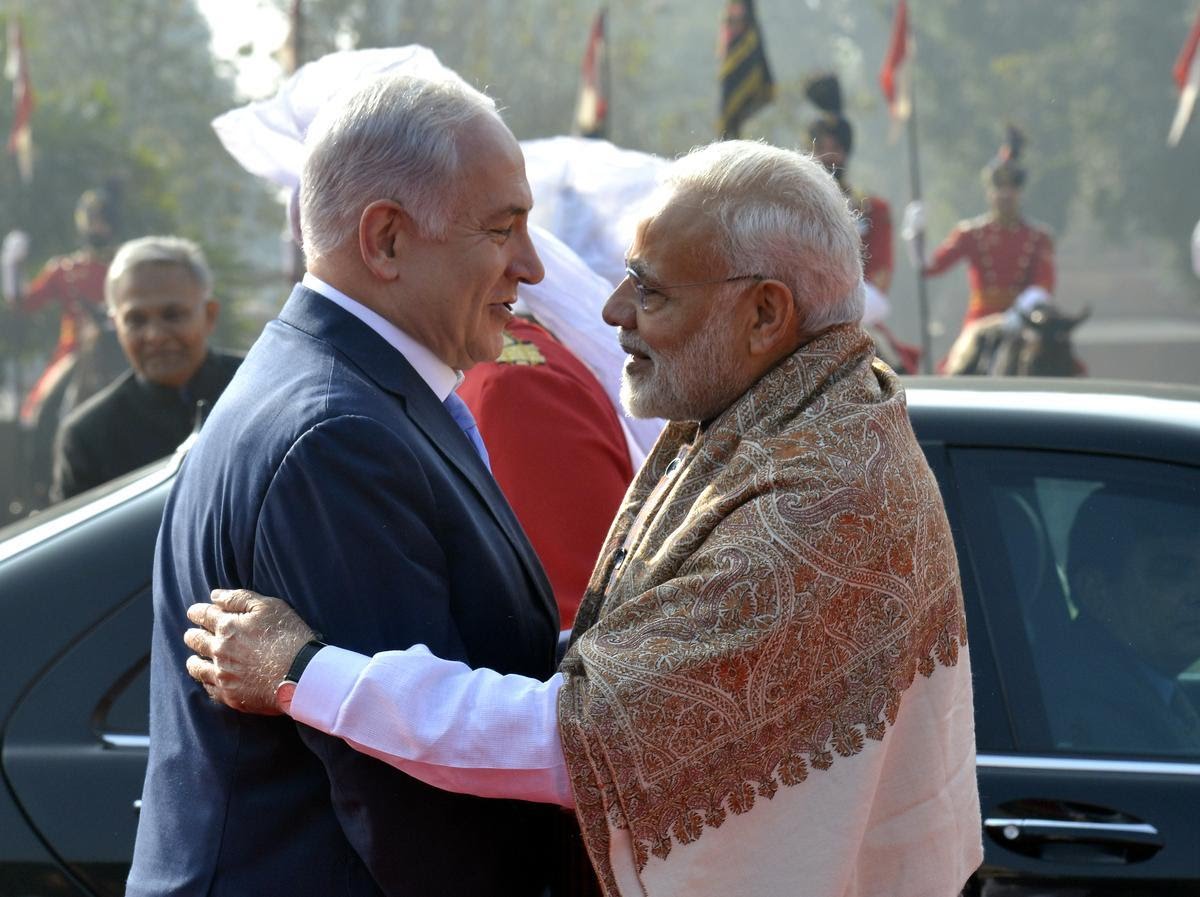
The visit kicks off on Wednesday, February 25, 2026, with Prime Minister Modi’s arrival at Ben Gurion International Airport near Tel Aviv in the afternoon. In a warm gesture of personal diplomacy, Israeli Prime Minister Benjamin Netanyahu, accompanied by his wife Sara Netanyahu, will personally welcome Modi at the airport.
Following the arrival formalities, the two leaders will engage in a brief tete-a-tete at the airport before heading to Jerusalem. This sets the tone for intensive discussions ahead.
A major highlight of Day 1 is Modi’s address to the Knesset, Israel’s parliament. This will be a historic first for any Indian Prime Minister, underscoring the significance of the bilateral relationship. Reports indicate that Netanyahu will address the Knesset first, followed by Modi’s speech. The address is expected to cover themes of shared democratic values, innovation-driven growth, and joint efforts against common threats.
However, the event has drawn some domestic controversy in Israel, with opposition parties threatening to boycott Modi’s speech. Knesset Speaker Amir Ohana has responded by assuring that vacant seats will be filled by former parliament members to maintain decorum and symbolism.
In the evening, Modi and Netanyahu will hold delegation-level bilateral talks, reviewing progress in the India-Israel strategic partnership and exploring new avenues. Netanyahu will host a private state dinner in Modi’s honour, providing an informal setting for deeper exchanges.
On Thursday, February 26, 2026, the agenda shifts to symbolic and high-level engagements. Modi will visit Yad Vashem, the World Holocaust Remembrance Centre, to pay tribute to victims of the Holocaust by laying a wreath and offering respects. This gesture reflects India’s consistent stance against antisemitism and solidarity with Jewish history.
Later, Modi will meet Israeli President Isaac Herzog for discussions on bilateral and global issues. The visit concludes with a farewell ceremony at Ben Gurion Airport, after which Modi will depart for India.
Key Focus Areas: Defence, Technology, and Emerging Sectors
At the heart of the visit lies the intent to deepen cooperation in strategic domains. Defence remains paramount, with potential agreements on joint production, technology transfer, and co-development of advanced systems. Israel has long been a reliable supplier, and enhanced ties could include collaborations in drones, missile technology, and border security solutions.
Emerging technologies form another pillar. Discussions will cover artificial intelligence, cybersecurity, quantum technology, and high-tech innovations. Both nations are leaders in these fields—India with its vast digital economy and Israel with its startup ecosystem—making synergies natural and mutually beneficial.
Agriculture and water management continue to be success stories. Israeli drip irrigation and precision farming techniques have transformed parts of India, particularly in arid regions. New initiatives could expand these to more states, boosting food security and sustainability.
Trade volumes, already in the billions, are set for further growth through streamlined investments and reduced barriers. Security cooperation, including intelligence sharing and counter-terrorism, will also feature prominently, given shared experiences with threats.
Geopolitical Significance Amid Global Challenges
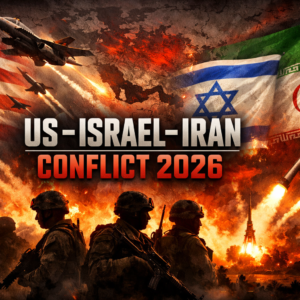
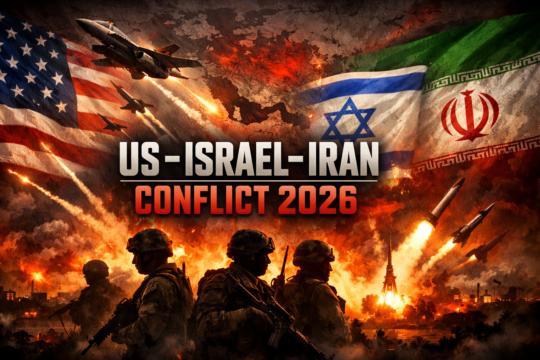
The timing of Modi’s visit adds layers of importance. Amid ongoing regional tensions, including threats involving Iran and broader Middle East dynamics, the India-Israel axis strengthens a network of like-minded nations committed to stability and innovation. Netanyahu has spoken of building a “hexagon of alliances” in the region, and India’s participation signals a strategic realignment.
For India, closer ties with Israel align with its “Act East” and “Neighbourhood First” policies while diversifying partnerships beyond traditional allies. It also bolsters India’s defence self-reliance under “Make in India” by leveraging Israeli expertise.
Critics in some quarters have raised concerns over regional conflicts, with divided opinions in India on foreign policy choices. However, the government’s emphasis remains on pragmatic, interest-based diplomacy that prioritizes national security and economic growth.
Looking Ahead: A New Chapter in Enduring Friendship
Prime Minister Narendra Modi’s second visit to Israel in February 2026 is more than a diplomatic courtesy—it’s a strategic milestone. By addressing the Knesset, engaging in high-level talks, and symbolizing solidarity at Yad Vashem, Modi reinforces the unbreakable bonds between two resilient democracies.
This trip is expected to yield concrete outcomes: new MoUs, enhanced defence collaborations, and accelerated tech transfers. Ultimately, it opens a new dimension in the India-Israel strategic partnership, promising benefits for citizens of both nations through innovation, security, and shared prosperity.
As the world watches, this visit cements India and Israel’s role as key players in shaping a multipolar future grounded in mutual respect and forward-looking cooperation.