
Kerala to Keralam Name Change 2026: Historic Bill Clears Assembly Unanimously
Kerala to Keralam Name Change 2026: A Landmark Step Towards Cultural Pride and Linguistic Identity
In a significant development that underscores India’s commitment to preserving regional linguistic identities, the Kerala Legislative Assembly on July 1, 2026, unanimously approved the draft Kerala (Alteration of Name) Bill, 2026. This pivotal move paves the way for the southern state’s official English name to change from Kerala to Keralam, aligning it perfectly with its traditional Malayalam nomenclature.
The decision marks a triumphant moment for cultural preservation advocates across the state. Speaker Thiruvanchoor Radhakrishnan hailed it as “a first in the history of the Kerala Legislative Assembly,” emphasizing the House’s unified expression of views on a constitutional amendment referred by President Droupadi Murmu under Article 3 of the Indian Constitution.
Background: Long-Standing Demand for Kerala to Keralam
The push for the Kerala to Keralam rename has deep roots. The state has always been known as Keralam in Malayalam, its official language spoken by millions. However, when the state was formed on November 1, 1956, following the linguistic reorganization of states, the Constitution recorded its English name as “Kerala.”
This discrepancy persisted for decades until the Kerala Assembly, under the previous Left Democratic Front government led by Chief Minister Pinarayi Vijayan, passed a unanimous resolution on June 24, 2024, urging the Union Government to amend the First Schedule of the Constitution. The resolution sought to officially recognize the state as Keralam in English as well.
The Union Cabinet approved the proposal in February 2026, leading to the preparation of the Kerala (Alteration of Name) Bill, 2026, by the Union Home Ministry. President Droupadi Murmu referred the draft bill to the Kerala Assembly on June 5, 2026, for its formal opinion as mandated by Article 3.
Etymology and Cultural Significance of Keralam
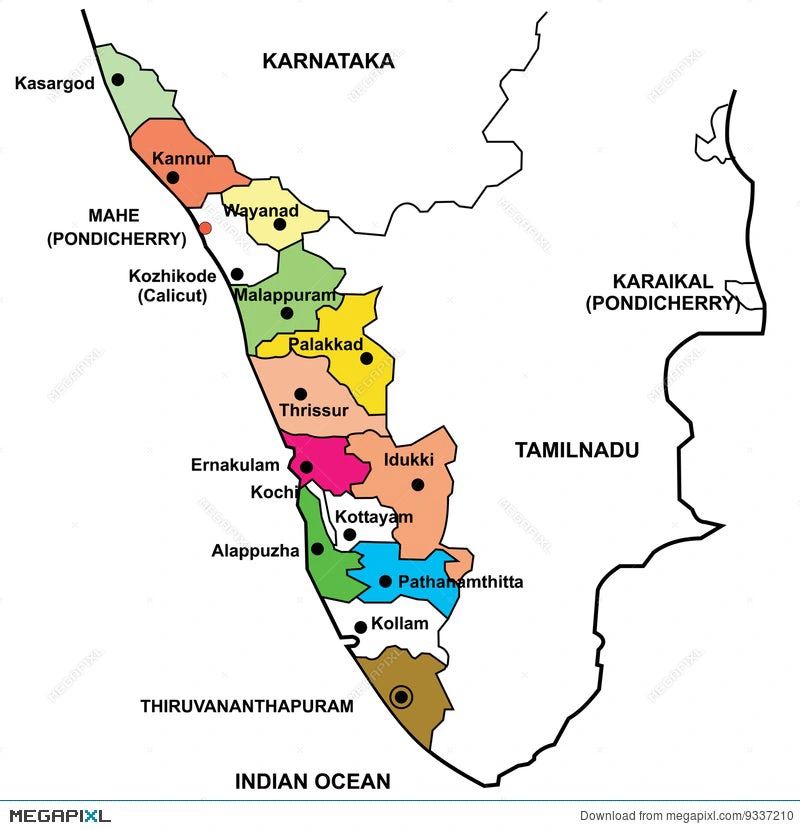

The name Keralam carries profound historical and cultural weight. Etymologically, it is widely believed to derive from “Kera” (coconut) and “Alam” (land), translating to the “Land of Coconuts.” This perfectly captures the state’s lush, palm-fringed landscape, world-famous backwaters, and coconut-based economy.
Alternative scholarly interpretations link “Keralam” to the ancient Chera dynasty (Cheralam), one of the three major Tamil kingdoms that ruled the region from around the 3rd century BCE. References to “Keralaputra” appear even in Emperor Ashoka’s Rock Edict II from 257 BCE, highlighting the state’s ancient heritage.
By officially adopting Keralam, the state strengthens its linguistic and cultural identity. This change celebrates Malayalam’s richness and corrects a colonial-era or post-reorganization anomaly that distanced the English name from local pronunciation and meaning.
Constitutional Process and Next Steps for Kerala Rename
Following the Assembly’s unanimous approval, the bill returns to the President with the Legislature’s views. It will then be introduced in Parliament, requiring passage by both the Lok Sabha and Rajya Sabha to effect the constitutional amendment.
Once enacted, the change will have far-reaching implications. All official references in English — from government documents, seals, letterheads, websites, and mobile apps to public sector undertakings, universities, and signboards — must update from “Government of Kerala” to reflect the new name. Experts estimate this transition will demand substantial administrative effort and financial resources over several years.
Broader Context: India’s Tradition of Name Changes
The Kerala to Keralam rename fits into India’s larger journey of decolonizing and indigenizing place names. Notable precedents include:
- Bombay to Mumbai
- Madras to Chennai
- Calcutta to Kolkata
- Orissa to Odisha
- Mysore State to Karnataka
These shifts often reflect a desire to honor local languages, histories, and identities. The Kerala case stands out as it primarily harmonizes the English name with the native Malayalam one, rather than inventing a completely new title.
Political Unanimity and Reactions
One of the most striking aspects of this development is the rare cross-party consensus. Both the ruling Left Democratic Front and opposition parties supported the bill, demonstrating that cultural identity transcends political divides in Kerala.
This unity echoes the 2024 Assembly resolution and signals strong public backing for aligning official nomenclature with lived cultural reality. Tourism stakeholders anticipate positive impacts, as “Keralam” better evokes the state’s authentic heritage for international visitors seeking genuine experiences in God’s Own Country.
Administrative Challenges and Opportunities
The rename will trigger a massive overhaul:
- Government Machinery: Updating thousands of official records, databases, and legal documents.
- Education Sector: Revising university names, textbooks, and certificates.
- Digital Presence: Revamping state websites, e-governance portals, and apps.
- Branding: Opportunities to refresh Kerala’s global tourism and investment brand around the more authentic “Keralam.”
While costs are a concern, proponents argue the long-term benefits — stronger cultural resonance, reduced confusion, and enhanced pride — far outweigh short-term expenses.
What This Means for Residents and Future Generations
For ordinary citizens, the change symbolizes deeper respect for linguistic roots. Schoolchildren will learn about their state under a name that matches their mother tongue. Future generations will inherit an identity fully aligned with Keralam’s millennia-old legacy.
The move also reinforces federal principles. By involving the state assembly meaningfully, the process exemplifies cooperative federalism in action.
Kerala to Keralam: A Model for Cultural Empowerment?
As India evolves, such name changes highlight the nation’s diversity. Keralam’s transition could inspire other states to review and harmonize their linguistic identities where gaps exist.
In an era of globalization, preserving unique cultural markers becomes even more vital. Keralam represents not just a rename but a powerful affirmation of pride in one’s heritage.
Conclusion
The unanimous clearance of the Kerala (Alteration of Name) Bill, 2026, by the state assembly is a historic victory for linguistic justice and cultural assertion. As the bill progresses to Parliament, all eyes remain on this transformative Kerala to Keralam journey. This development not only honors the state’s past but paves a proud path for its future.