Holi 2026: Complete Guide to Festival of Colors – History, Traditions, Safe Natural Colors for Sensitive Skin, Best Outfits & Wishes
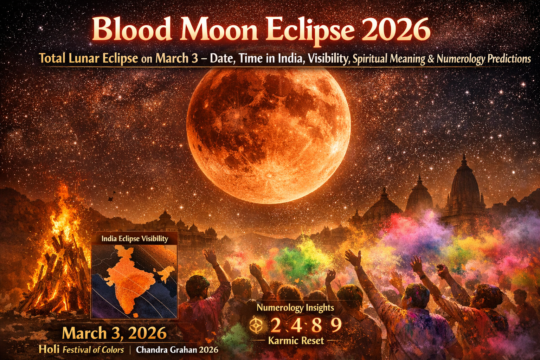
Holi 2026 is set to bring vibrant energy across India, with celebrations kicking off soon. In most regions, including Manipur (where Yaosang, a local variant of Holi, is enthusiastically observed), the main day of color play falls on March 4, 2026, following Holika Dahan on the evening of March 3, 2026. Due to a rare total lunar eclipse aligning with Phalguna Purnima, some states may have slight variations (e.g., color play on March 3 in certain areas), but the standard observance in Northeast India, including Manipur, aligns with March 4 for the colorful festivities.
Holi, popularly known as the Festival of Colors, stands as one of India’s most exuberant and cherished festivals. It heralds the arrival of spring, bids farewell to the chill of winter, and radiates themes of renewal, unconditional love, forgiveness, and the eternal victory of good over evil. While deeply rooted in Hindu traditions, Holi transcends religious boundaries and is joyfully embraced by people from diverse communities across India and the globe. From the streets of Mathura and Vrindavan to neighborhoods in Manipur, where it’s celebrated as Yaosang with unique local twists like Thabal Chongba folk dances, Holi unites friends, families, and even strangers in an explosion of colors, rhythmic music, delectable sweets, and infectious laughter.
As Holi 2026 approaches on March 4 (with Holika Dahan on March 3 evening in most places), excitement builds for this annual burst of vibrancy. Whether you’re planning a family gathering, community event, or simply joining the fun, understanding the festival’s depth enhances the experience. This comprehensive guide covers the history, significance, traditions, safe color choices for sensitive skin, ideal outfits, and ready-to-share wishes—everything you need for a memorable and responsible Holi celebration.
Deep Dive into the History and Origins of Holi
Holi boasts an ancient lineage, with references spanning over two millennia in Hindu scriptures and literature. Early mentions appear in texts such as the Purva Mimamsa Sutras, Kathaka-Grhya-Sutras, the Narada Purana, and the Bhavishya Purana. During the Gupta era (circa 4th century CE), festival descriptions emerge, and the 7th-century Sanskrit play Ratnavali by King Harsha vividly portrays Holi festivities.
Scholars believe Holi originated from pre-Vedic seasonal rituals honoring spring’s renewal, agricultural abundance, and fertility. It evolved into a major socio-religious event blending agrarian customs with mythological narratives.
The festival’s name, “Holi,” directly links to Holika, the demoness central to its most famous legend. In Hindu mythology, the tyrannical demon king Hiranyakashipu gained near-immortality through a boon and proclaimed himself a god, demanding universal worship. His young son, Prahlad, defied him by unwaveringly devoting himself to Lord Vishnu. Furious, Hiranyakashipu commanded his sister Holika—blessed with fire immunity—to carry Prahlad into a blazing pyre, intending to incinerate the boy. Miraculously, divine protection shielded Prahlad while Holika burned to ashes. This tale epitomizes devotion’s power, righteousness prevailing, and evil’s destruction—core messages celebrated during Holika Dahan, the bonfire ritual on Holi’s eve where people symbolically burn negativity, grudges, and past ills.
Equally cherished is the legend tying Holi to Lord Krishna and Radha. Born with a dark complexion, playful Krishna lamented the contrast with fair-skinned Radha. His mother, Yashoda, suggested he color her face. Krishna’s mischievous application of colors to Radha and the gopis (cowherd maidens) of Vrindavan birthed the playful color-throwing tradition. This narrative infuses Holi with romance, divine love, equality (as colors dissolve social barriers), and pure joy.
Through centuries, Holi transformed from regional harvest rites into a nationwide and global phenomenon, especially among South Asian diaspora communities in the US, UK, Canada, and beyond.
Profound Significance and Timeless Traditions of Holi
At its heart, Holi celebrates nature’s rebirth in spring—flowers bloom, crops flourish, and life renews. The act of throwing gulal (dry powder colors) and colored water symbolizes washing away enmities, embracing forgiveness, and recognizing human equality beneath superficial differences. No caste, creed, or status matters amid the colorful chaos; everyone becomes equal in joy.
Key traditions include:
- Holika Dahan (Chhoti Holi): On the eve (March 3, 2026, in most areas), communities light massive bonfires, often with cow dung cakes, wood, and offerings. People circumambulate the fire, sing devotional songs, and toss grains or coconuts into the flames to invoke blessings and ward off evil.
- Rangwali Holi / Dhulandi: The main day (March 4, 2026) features uninhibited color play starting at dawn. People smear gulal, spray pichkaris (water guns) with colored water, dance to folk songs and dhol beats, and visit homes to exchange sweets and greetings.
- Delicacies and Drinks: No Holi is complete without gujiya (sweet dumplings), malpua, dahi vada, puran poli, and thandai (a cooling milk drink sometimes infused with bhang in some regions for a euphoric touch—consume responsibly!).
- Regional Variations: In Manipur, Yaosang extends over several days with sports, Thabal Chongba moonlit dances, and community feasts. Mathura-Vrindavan hosts grand processions reenacting Krishna’s leelas.
Holi promotes social harmony, environmental renewal (with growing emphasis on eco-friendly practices), and emotional cleansing.
Happy Holi Wishes and Messages to Spread Joy in 2026
Share these heartfelt messages to brighten someone’s day:
- “May the Festival of Colors paint your life with endless joy, love, success, and vibrant happiness. Happy Holi 2026!”
- “Wishing you a safe, colorful, and laughter-filled Holi surrounded by loved ones and sweet memories. Happy Holi!”
- “Let every splash of color erase worries and bring prosperity, good health, and new beginnings. Happy Holi to you and your family!”
- “May Holi 2026 shower you with the brightest shades of happiness and the sweetest moments. Play safe and enjoy!”
- “Happy Holi! May your heart bloom like spring flowers, overflowing with love, forgiveness, and divine blessings.”
Personalize them for social media, WhatsApp, or cards to make connections stronger.
Best Colors for Sensitive Skin: Prioritize Natural and Herbal Gulal in 2026
Traditional synthetic Holi colors often contain toxic chemicals, heavy metals, industrial dyes, mica, or acids—leading to skin rashes, allergies, burning sensations, eye irritation, and long-term damage, particularly for sensitive skin, children, or those with allergies.
Switch to natural herbal gulal for safe, skin-friendly fun. These are crafted from plant extracts, flowers, and kitchen staples—non-toxic, hypoallergenic, biodegradable, and easy to rinse off.
Recommended natural ingredients and shades:
- Turmeric + gram flour/cornstarch → Bright, gentle yellow/orange (anti-inflammatory benefits).
- Beetroot powder → Soft red/pink.
- Marigold or tesu (palash) flowers → Vibrant yellow, orange, or red.
- Rose petals or red sandalwood → Natural pink/red shades.
- Henna, spinach, or neem leaves → Safe green.
- Indigo or other plant pigments → Blue tones.
- Maize starch or arrowroot-based bases mixed with organic pigments for various hues.
Look for certified organic, flower-recycled, edible-grade, or dermatologically tested brands emphasizing “skin-safe,” “chemical-free,” and “herbal Holi colors.” Always perform a patch test on your inner arm 24 hours before use, avoid eye areas, and wash off promptly with oil followed by mild soap.
Opting for natural colors protects skin health while supporting eco-friendly, sustainable celebrations—perfect for Holi 2026!
Which Color Dress Is Most Suitable for Holi? Practical Fashion Tips
Holi’s messy nature demands smart clothing choices—comfortable, washable, and stain-manageable.
- Top Color Recommendations:
- Classic white: Timeless and photogenic—splashes create artistic, rainbow-like effects ideal for Instagram-worthy moments.
- For stain camouflage and practicality: Light pastels (mint, baby pink, sky blue), bold printed ethnic kurtas/pants, or darker tones like navy blue, deep maroon, olive green, indigo (nod to Krishna), charcoal grey, or black. These disguise colors better than pristine light shades.
- Ideal Fabrics:
- Cotton, linen, khadi, muslin, or rayon—breathable in spring heat, absorbent for colors/water, quick-drying, and machine-washable.
- Loose, old, or dedicated “Holi outfits” (kurta-pajama, salwar kameez, t-shirts/shorts) allow unrestricted dancing and play.
- What to Avoid:
- Synthetics (polyester, nylon)—they trap heat, cling when wet, and stubbornly hold stains.
- Delicate silks, heavy embroidery, or expensive fabrics prone to permanent damage.
Pro tip: Carry a spare set or wear disposable ponchos for extra protection. Many celebrate in simple, fun attire to focus on enjoyment rather than worry.
Holi 2026 embodies spreading joy, mending bonds, forgiving freely, and embracing life’s colorful spectrum. Play responsibly with natural colors, respect traditions, stay hydrated, and prioritize safety—especially for kids and sensitive individuals. Whether in Imphal’s Yaosang spirit or elsewhere, let this Festival of Colors fill your world with positivity.
Wishing you and your loved ones a spectacular, vibrant, and safe Holi 2026! 🌈🎉 Holika Dahan on March 3, Rangwali Holi on March 4—get ready to celebrate!