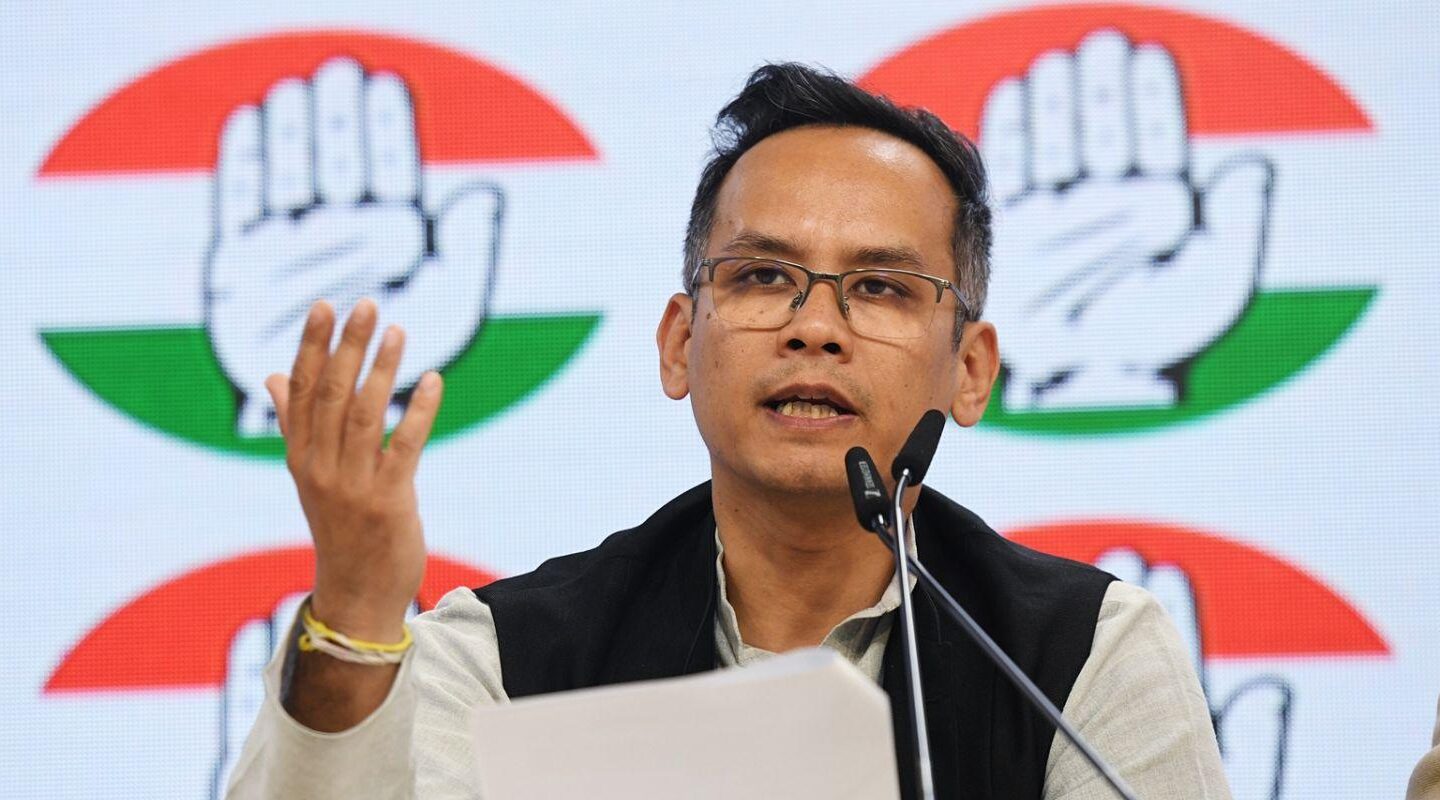
Gaurav Gogoi Nominated as President of India-Philippines Parliamentary Friendship Group: Boosting Bilateral Ties Under Act East Policy
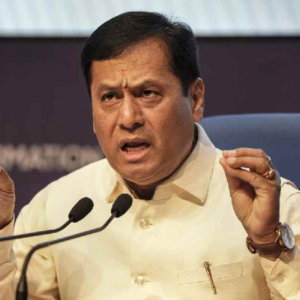
In a significant development aimed at deepening parliamentary-level ties between two vibrant democracies, Lok Sabha MP Gaurav Gogoi has been nominated as the President of the India–Philippines Parliamentary Friendship Group for the 18th Lok Sabha. The announcement came from officials on Tuesday, following a formal communication from the Lok Sabha Secretariat dated February 23, 2026.
This nomination is part of a broader initiative by Lok Sabha Speaker Om Birla, who has constituted Parliamentary Friendship Groups with 64 countries to foster greater dialogue and mutual understanding at the legislative level. Senior opposition leaders, including several from the Congress party, have been appointed to head more than a dozen of these groups, highlighting a cross-party approach to international parliamentary engagement.
Details of the Nomination and Official Communication
The official letter, issued by L.V. Ramana, Director of the Conference and Protocol Branch of the Lok Sabha Secretariat (reference number 35/04/2026/C&P), explicitly states: “In this connection, the Hon’ble Speaker, Lok Sabha is pleased to nominate you as the President of the India –Philippines Parliamentary Friendship Group.”
Gaurav Gogoi, the Lok Sabha representative from Jorhat, Assam, and also the President of the Assam Pradesh Congress Committee (APCC), has been entrusted with leading this important forum. Each Parliamentary Friendship Group consists of 11 members, drawing from both the Lok Sabha and Rajya Sabha, ensuring diverse representation and expertise.
As President, Gogoi is expected to spearhead parliamentary interactions, coordinate exchanges with Filipino lawmakers, facilitate dialogues on shared interests, and contribute to legislative cooperation. Further details on the full composition of the group and its planned activities are anticipated to be released by the Lok Sabha Secretariat soon.
What Are Parliamentary Friendship Groups?
Parliamentary Friendship Groups serve as informal yet influential platforms within national parliaments to promote bilateral relations beyond traditional diplomatic channels. These groups enable direct legislator-to-legislator engagement, foster people-to-people connections, and address common challenges through mutual understanding.
In India’s context, these groups complement formal diplomatic efforts by focusing on institutional linkages, cultural exchanges, and issue-based discussions. They often lead to joint initiatives, study visits, delegations, and resolutions that strengthen ties at the grassroots parliamentary level.
The constitution of 64 such groups under the 18th Lok Sabha underscores India’s commitment to expanding global parliamentary outreach. Prominent opposition figures like Shashi Tharoor (France), P. Chidambaram (Italy), and others have been appointed to lead groups with key nations, reflecting an inclusive approach amid domestic political dynamics.
India-Philippines Relations: A Growing Strategic Partnership
India and the Philippines have witnessed a remarkable transformation in their bilateral relationship in recent years, evolving from historical diplomatic ties established in 1949 to a full-fledged Strategic Partnership declared in August 2025 during Philippine President Ferdinand Marcos Jr.’s visit to New Delhi.
The partnership is backed by a comprehensive Plan of Action (2025–2029), emphasizing multifaceted cooperation. Key pillars include:
- Defence and Maritime Security: Both nations face shared concerns in the Indo-Pacific, particularly freedom of navigation and rules-based order. India has supplied BrahMos supersonic cruise missiles to the Philippines, marking a landmark defence export. Joint naval drills, information sharing, and potential acquisitions like the Akash missile system highlight deepening military ties.
- Trade and Economic Cooperation: Bilateral trade has grown steadily, with opportunities in pharmaceuticals, IT, agriculture, and infrastructure. India’s Act East Policy positions the Philippines as a gateway to ASEAN markets.
- Education, Culture, and People-to-People Ties: Exchanges in education, tourism, and cultural programs are expanding. Initiatives like visa-free travel proposals and direct flights aim to boost connectivity.
- Regional Frameworks: Cooperation through ASEAN-India mechanisms, East Asia Summit, and Indo-Pacific initiatives like SAGAR (Security and Growth for All in the Region) aligns both countries’ visions.
The elevation to Strategic Partnership reflects mutual recognition of each other’s strategic importance. For India, the Philippines is a vital partner in countering regional challenges and advancing a free, open Indo-Pacific. For the Philippines, India offers technological expertise, defence capabilities, and economic diversification away from over-reliance on traditional partners.
Role of India’s Act East Policy in Strengthening Ties
India’s Act East Policy, upgraded from the earlier Look East Policy in 2014 under Prime Minister Narendra Modi, has been instrumental in accelerating engagement with Southeast Asia. The policy emphasizes proactive diplomacy, economic integration, connectivity, and security cooperation with ASEAN nations.
The Philippines holds special significance due to its strategic location in the South China Sea and its role in maritime security. Parliamentary-level interactions, such as the newly formed India-Philippines Parliamentary Friendship Group, add a crucial layer to this engagement by involving lawmakers directly in shaping bilateral agendas.
This group will likely focus on:
- Legislative alignment on maritime laws and international norms.
- Exchanges on disaster management, given both nations’ vulnerability to natural calamities.
- Cooperation in emerging areas like cybersecurity, renewable energy, and digital economy.
Gogoi’s leadership brings a fresh perspective from Northeast India, a region central to Act East connectivity projects like the India-Myanmar-Thailand Trilateral Highway.
Significance of Gaurav Gogoi’s Appointment
Gaurav Gogoi’s nomination is noteworthy not only for bilateral ties but also in the Indian political context. As a prominent Congress leader and vocal opposition figure, his appointment to this role demonstrates the Speaker’s intent to involve opposition voices in foreign policy outreach.
In Assam, the move has sparked discussions, with some viewing it as recognition of Gogoi’s parliamentary stature despite local political controversies. It positions him to contribute meaningfully to India’s foreign policy at a time when Indo-Pacific dynamics are evolving rapidly.
Looking Ahead: Future Prospects and Activities
With the group now constituted, expectations are high for concrete outcomes. Potential activities include:
- Delegation visits to Manila and reciprocal visits.
- Joint seminars on shared interests like climate change and blue economy.
- Advocacy for stronger institutional mechanisms.
As details emerge, this initiative could further solidify the India-Philippines Strategic Partnership, making parliamentary diplomacy a cornerstone of bilateral relations.
This development reaffirms India’s commitment to multifaceted engagement with Southeast Asia, ensuring that ties with partners like the Philippines remain robust and forward-looking in an increasingly interconnected world.