Iran Attacks Palau-Flagged Oil Tanker Skylight in Strait of Hormuz: 15 Indians Among Crew Injured, Evacuated Amid Escalating Israel-Iran Conflict
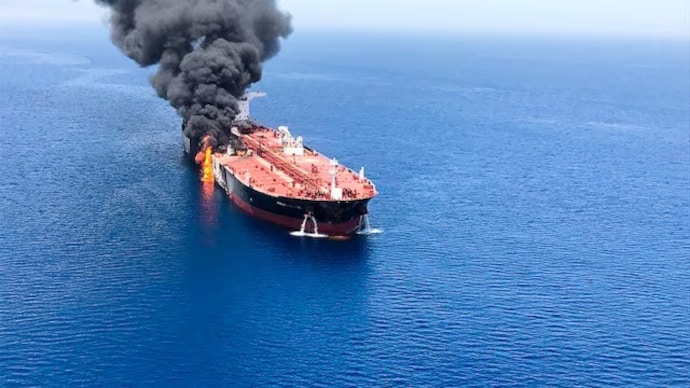
The incident occurred on Sunday, March 1, 2026, amid escalating regional hostilities following the death of Iran’s Supreme Leader Ayatollah Ali Khamenei in US-Israeli strikes on Saturday, February 28, 2026. Reports from multiple sources, including Reuters, Hindustan Times, and the Oman Maritime Security Centre (OMSC), confirm that the Palau-flagged oil tanker Skylight was targeted approximately 5 nautical miles north of Khasab Port in Oman’s Musandam Governorate, right at the entrance to the Strait of Hormuz.
Oman’s Maritime Security Centre announced via a post on X (formerly Twitter) that the vessel was hit, leading to the immediate evacuation of its entire 20-member crew. The crew consisted of 15 Indian nationals and 5 Iranian citizens. Four crew members sustained injuries of varying severity and were promptly transferred for medical treatment. No fatalities were reported among the crew, and all personnel were safely evacuated following the attack.
The OMSC did not specify the type of weapon used in the strike—whether missile, drone, or other projectile—but the incident has been widely attributed to Iranian forces in retaliation for the prior US-Israeli operations that resulted in Khamenei’s death. Iran has since confirmed responsibility for targeting the tanker, stating via state television that the vessel was attacked for “defying orders” not to cross the Strait of Hormuz, which Tehran declared closed to international navigation shortly after the supreme leader’s demise.
This marks what authorities describe as the first confirmed attack on a commercial vessel in the Strait of Hormuz during the current wave of escalation, highlighting the direct spillover of the Israel-Iran conflict into critical maritime routes.
Background on the Tanker Skylight and US Sanctions
The Skylight is a small Palau-flagged products tanker (approximately 11,262 deadweight tons), primarily used for bunkering operations—fueling other vessels—and short-haul transport of oil products. Ship-tracking data from Tankertrackers.com indicates the vessel had been anchored in the Musandam governorate since February 22, 2026, just days before the incident.
According to shipping records and reports from Reuters and LSEG data, the tanker’s registered owner is Sea Force Inc., and it is managed by Red Sea Ship Management LLC, a Dubai-based entity. In December 2025, the United States imposed sanctions on both the company and the Skylight itself, accusing them of participating in a “shadow fleet” that facilitates the illicit transport and export of Iranian petroleum products, evading international restrictions on Iran’s oil trade.
This sanctioned status has fueled speculation that the tanker was targeted due to its alleged ties to Iranian oil operations, making it a symbolic or strategic hit amid Tehran’s broader retaliatory campaign.
The Broader Context: Death of Ayatollah Ali Khamenei and Escalating Hostilities
The attack on the Skylight cannot be viewed in isolation. It follows directly on the heels of joint US-Israeli strikes on Iran that killed Supreme Leader Ayatollah Ali Khamenei on Saturday, February 28, 2026. Multiple credible reports from CNN, The Washington Post, BBC, and Al Jazeera confirm that Khamenei perished in strikes on his compound or office in Tehran, marking a dramatic turning point in the long-standing Israel-Iran shadow war.
Iran has declared 40 days of official mourning and vowed severe retaliation, with senior officials labeling the killing a “great crime” and calling for jihad against the US and Israel. Iranian state media and the Islamic Revolutionary Guard Corps (IRGC) have framed subsequent actions—including attempts to close the Strait of Hormuz—as defensive measures to protect national sovereignty.
The Strait of Hormuz remains one of the world’s most vital energy chokepoints. Roughly one-fifth (about 20-21%) of global oil consumption passes through this narrow waterway daily, connecting the Persian Gulf to the open seas. Any disruption here can send shockwaves through global energy markets, spike oil prices, and threaten supply chains worldwide. The Musandam Peninsula, an Omani exclave, shares control of the strait with Iran, making incidents in its vicinity particularly sensitive.
Related Incident: Drone Strikes on Duqm Commercial Port
Earlier on the same day (Sunday, March 1, 2026), Oman’s state news agency reported drone attacks on the Duqm commercial port on the Arabian Sea coast in Al Wusta governorate. Two drones struck the facility: one hit a mobile workers’ housing unit, injuring one expatriate worker, while debris from the second fell near fuel storage tanks without causing additional casualties or significant material damage.
Oman condemned the strikes, stating it would take all necessary measures to protect its sovereignty and residents. This marked the first reported drone attack on Omani soil in the current escalation, expanding the conflict beyond direct Iran-Israel/US theaters into neutral Gulf states that have historically maintained mediation roles.
These incidents—Duqm drones followed by the tanker strike—suggest a widening pattern of Iranian retaliatory operations targeting Gulf infrastructure and shipping, even in areas not directly involved in the initial strikes.
Implications for Global Shipping, Oil Markets, and Regional Stability
The attack on the Skylight has prompted immediate caution among mariners. Reports indicate many vessels are avoiding or turning back from the Strait of Hormuz, with some rerouting or anchoring outside the passage. Shipping intelligence firms like Skytek noted hundreds of tankers, container ships, and bulk carriers potentially trapped or delayed inside the strait at the time of escalation.
For India, the presence of 15 Indian nationals among the crew adds a domestic dimension. Indian authorities are likely monitoring the situation closely, given the large Indian expatriate workforce in the Gulf and the country’s reliance on energy imports through the strait. The safe evacuation is a relief, but the injuries underscore risks to civilian mariners in geopolitical flashpoints.
Economically, any sustained disruption in the Strait of Hormuz could drive up Brent crude and other benchmarks, affecting inflation, transportation costs, and global growth. Insurance premiums for Gulf transits have likely surged, with war risk clauses activated.
Diplomatically, Oman—known for its neutral stance and mediation in past Iran-related crises—now faces direct threats to its waters and ports. The incidents test Oman’s ability to maintain security without deeper entanglement.
Looking Ahead: Risks of Further Escalation
As Iran continues retaliatory actions and the US/Israel signal ongoing operations, the risk of miscalculation remains high. The Strait of Hormuz has seen tensions before (e.g., 2019 tanker attacks), but the current scenario—with a supreme leader’s death and explicit closure threats—represents unprecedented danger.
International calls for de-escalation are mounting, but with mourning underway in Iran and hardline rhetoric dominating, the path to calm appears narrow.
This developing story underscores how quickly regional conflicts can impact global trade and security. Updates will follow as more details emerge from official sources and maritime authorities.