Kati Bihu 2026: Ultimate Guide to Assam’s Sacred Festival of Hope and Lamps
Guwahati, Assam – As the golden autumn evenings settle over the Brahmaputra Valley, Assam prepares to observe one of its most profound yet understated festivals. Kati Bihu 2026, also known as Kongali Bihu, falls on Sunday, 18 October. This quiet celebration of lamps, faith and agricultural hope stands in sharp contrast to the exuberant Rongali Bihu of spring and the feasting Magh Bihu of winter.
In a state where rice cultivation still shapes the rhythm of life for millions, Kati Bihu 2026 arrives at a critical moment. The previous harvest has been largely consumed. Granaries stand nearly empty. Young paddy plants are growing in the fields, vulnerable to pests, storms and disease. This lean period gives the festival its second name – Kongali Bihu, the “Bihu of scarcity.” Yet far from despair, the day radiates quiet determination and spiritual resilience.
The Agricultural Heart of Kati Bihu 2026
Kati Bihu marks the beginning of the Assamese month of Kati (Kartik). It coincides with Kati Sankranti, when the sun enters the zodiac sign of Libra. Farmers and families across Assam light earthen lamps not to celebrate abundance already gained, but to pray for the protection and healthy growth of the standing crop.
The three Bihus of Assam form a complete agricultural calendar. Rongali or Bohag Bihu in April celebrates sowing and the Assamese New Year with dance, music and colour. Magh or Bhogali Bihu in January rejoices in the harvest with feasts and community bonfires. Kati Bihu 2026 occupies the middle ground – the anxious, hopeful wait. It reminds every Assamese household that prosperity is never taken for granted; it must be nurtured through patience, labour and faith.
This year the festival arrives amid a busy October calendar that also includes Durga Puja. Schools in Assam have already announced holidays around 17–21 October, allowing families to observe both the solemn rituals of Kati Bihu and the vibrant Puja celebrations.
Sacred Rituals That Define Kongali Bihu
The heart of Kati Bihu 2026 lies in simple, deeply symbolic acts performed at dusk.
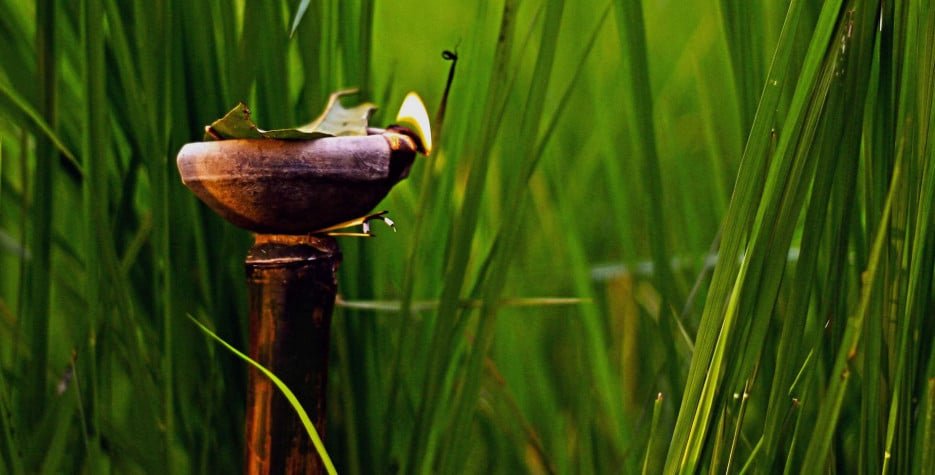
First comes the cleaning and preparation of the Tulsi plant. In almost every Assamese courtyard stands a small earthen platform called the Tulsi Bheti or Tulsi Thapana. Families sweep the area, water the holy basil, and sometimes apply a fresh coating of cow dung for purity. As evening falls, small earthen lamps known as saki or diya, filled with mustard oil and cotton wicks, are lit at the base of the Tulsi. Prayers are offered to Goddess Lakshmi, seeking her protection over the household and the fields.
Lamps are then carried to the paddy fields, the granary (bhoral) and the garden. The flickering lights are believed to ward off evil spirits, attract insects away from the tender crops (an ancient form of natural pest control), and invite divine blessings. In many villages farmers also whirl bamboo sticks while reciting traditional rowa-khowa chants to further protect the maturing paddy.
The most visually striking tradition is the lighting of the Akash Banti or Akaxi Bonti – the sky lamp. A lamp is fixed atop a tall bamboo pole and raised high above the fields or courtyard. These elevated lights are said to guide the souls of ancestors back to heaven and to draw blessings down upon the land. In the soft darkness of mid-October, the sight of dozens of Akash Banti glowing across the countryside creates a moving landscape of collective hope.
Cattle, long considered part of the farming family, receive special attention. They are fed traditional rice cakes or pitha in the evening. Children often join in the prayers and songs, learning early the values of gratitude and respect for nature.
Unlike the other two Bihus, there is no husori dancing, no grand community feasts and no loud merriment. Kati Bihu 2026 remains intimate, domestic and reflective. Many families observe a degree of austerity, avoiding waste and focusing on spiritual rather than material celebration.
Why Kati Bihu Still Matters in Modern Assam
Even as Assam urbanises and younger generations move to cities, Kati Bihu retains powerful cultural and emotional significance. For the Assamese diaspora living across India and abroad, the festival offers a vital link to roots. Families light lamps in apartment balconies or community centres, keeping the tradition alive far from the paddy fields of home.
The festival also carries an important environmental message. The practice of lighting lamps in fields historically served as an eco-friendly method of pest control. Today it continues to reinforce the idea that human prosperity depends on harmony with nature. In an era of climate uncertainty, the prayers offered during Kati Bihu for protection against natural calamities feel especially relevant.
Cultural historians note that the three Bihus together form a unique agrarian philosophy. Kati Bihu teaches patience and resilience during scarcity. It balances the joy of new beginnings and the abundance of harvest with the necessary discipline of waiting and trusting.
How Assam Will Celebrate on 18 October 2026
Across upper Assam districts such as Jorhat, Sivasagar and Dibrugarh, where wet-rice farming remains central, the traditional rituals will be observed with particular care. In lower Assam and urban centres like Guwahati, families will adapt the practices to smaller spaces while preserving the core elements of Tulsi worship and lamp lighting.
Government offices and banks in Assam typically list Kati Bihu as a regional holiday. Schools and colleges will remain closed, allowing students to participate in family rituals. Community organisations and agricultural departments often organise special programmes, distributing seeds or conducting awareness drives that blend tradition with modern farming knowledge.
As night falls on 18 October, the soft glow of thousands of sakis and Akash Banti will once again illuminate the Assamese landscape. In that quiet light lies a powerful message: even in the leanest season, hope endures. The people of Assam will light their lamps, offer their prayers, and wait with faith for the harvest that will fill their granaries once more.
Kati Bihu 2026 is not a festival of noise or excess. It is a festival of light against darkness, of faith against uncertainty, and of enduring connection between the Assamese people and the land that sustains them. In a rapidly changing world, this ancient observance continues to shine as a beacon of cultural continuity and quiet strength.
May the lamps of Kati Bihu 2026 bring protection to the crops, prosperity to every household, and peace to the beautiful state of Assam.