Remove Reservation Protest at Jantar Mantar: Massive Unauthorised Rally Triggers Heavy Police Deployment in Delhi
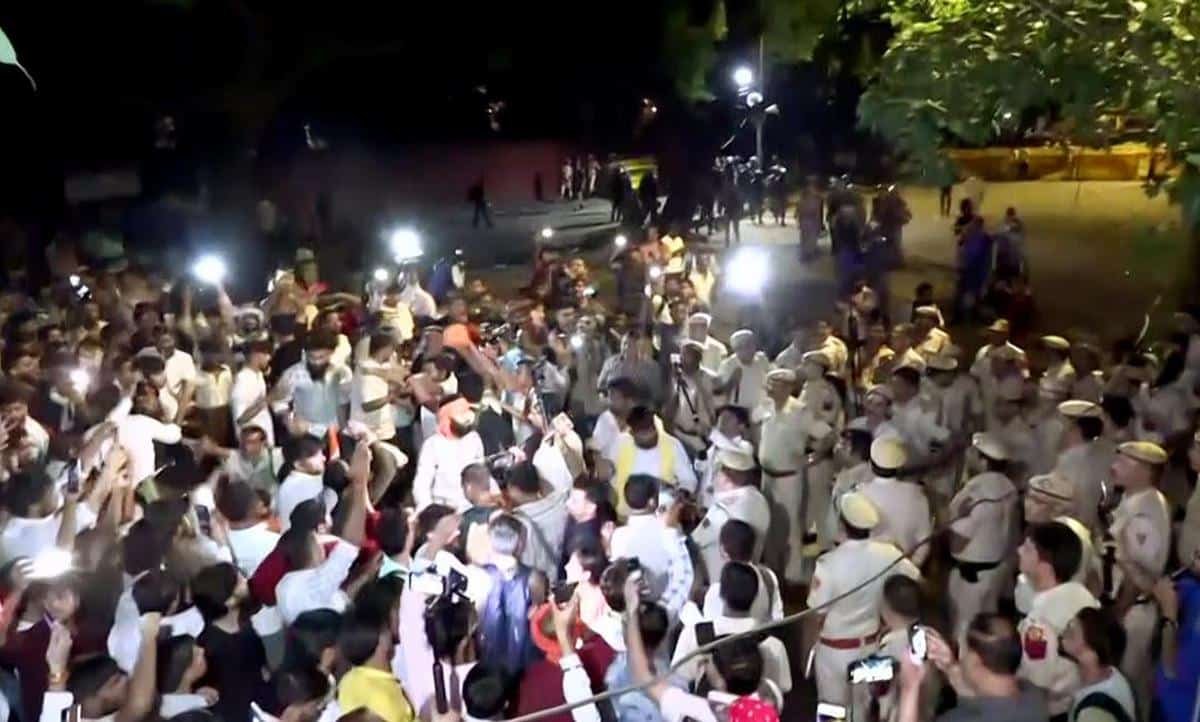
New Delhi, August 22, 2026 – A large-scale Remove Reservation Protest unfolded at the iconic Jantar Mantar in the national capital on Friday, drawing hundreds of demonstrators who demanded a complete end to India’s reservation system. What began as a quiet morning gathering quickly swelled into a significant public demonstration by evening, prompting Delhi Police to rush additional forces, including units of the Rapid Action Force (RAF), after confirming the rally lacked official permission.
The Remove Reservation Protest was organised by a group calling itself the ‘Remove Reservation Movement’. According to organisers and participants, the campaign gained traction primarily through social media platforms, where calls to scrap caste-based quotas resonated with people from diverse backgrounds. Protesters included individuals from various communities, among them members of the Other Backward Classes (OBC), who gathered under a common demand: the removal of the reservation system they believe no longer serves the goal of social justice.
How the Remove Reservation Protest Unfolded
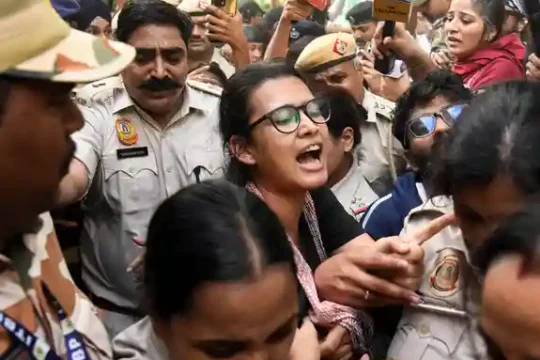
Early in the day, a modest group of agitators assembled at Jantar Mantar. The atmosphere remained largely peaceful as participants held placards, raised slogans against the existing reservation policy, and later joined in a collective recitation of the Hanuman Chalisa. By afternoon and into the evening, the numbers grew noticeably. Social media amplification played a key role in mobilising supporters who arrived from different parts of the city and surrounding areas.
Delhi Police maintained a close watch throughout. Senior officers used public address systems to inform the gathering that the rally was unauthorised. Posters already displayed at the venue clearly stated that protests are not permitted in the Jantar Mantar area without prior approval. Despite these announcements, the demonstrators continued their sit-in and speeches, insisting their movement was peaceful and democratic.
A senior police officer confirmed that no official sanction had been granted for the event at Jantar Mantar. However, authorities noted that an NOC had been issued for a separate peaceful protest at Ramlila Maidan on the same day, limited until 4 pm and subject to prescribed norms. The Remove Reservation Protest organisers had not sought or received clearance for the Jantar Mantar venue.
Why the Demand for Ending Reservation?
Participants in the Remove Reservation Protest argued that the current system of caste-based reservations in education, government jobs and promotions has outlived its original purpose. Many speakers claimed it now creates division rather than equality and disadvantages meritorious candidates from general categories as well as sections within reserved categories who feel benefits are unevenly distributed. Some OBC participants present at the venue said they supported reforms or a complete review of the policy, reflecting the cross-section nature of the gathering.
The movement’s online campaign had been building for days, using hashtags and posts that called on citizens to “remove reservation” in the national interest. Organisers framed the protest as a call for a merit-based system while emphasising that their intent remained non-violent. The joint reading of the Hanuman Chalisa was presented by participants as a cultural and spiritual assertion of unity beyond caste lines.
Heavy Security Arrangements
As the crowd size increased, Delhi Police significantly stepped up security. Personnel from the Rapid Action Force were deployed to maintain order and prevent any potential escalation. Barricades were reinforced, and additional police units monitored entry and exit points around Jantar Mantar. Officers repeatedly appealed for the crowd to disperse, reminding them of the legal requirement for prior permission.
Law enforcement sources indicated that the situation was kept under control through dialogue and visible presence rather than immediate forceful action. No major incidents of violence or property damage were reported during the day. The police approach appeared focused on de-escalation while enforcing the rule that unauthorised assemblies in sensitive areas like Jantar Mantar cannot be allowed to continue indefinitely.
Broader Context of Reservation Debates in India
The Remove Reservation Protest comes against the backdrop of long-standing and often polarising discussions on affirmative action in India. Reservation policies, introduced after Independence and expanded over decades, were designed to address historical social and educational disadvantages faced by Scheduled Castes, Scheduled Tribes and later Other Backward Classes. Supporters of the existing framework argue that systemic inequalities persist and that quotas remain necessary for meaningful representation.
Critics, including those who joined Friday’s demonstration, contend that the policy has become a permanent political tool rather than a temporary corrective measure. They point to demands for creamy-layer exclusion, periodic reviews, and a shift toward economic criteria instead of caste. The presence of OBC participants at the Jantar Mantar event highlighted that dissatisfaction is not confined to any single community.
Social media has amplified these voices in recent years, allowing decentralised groups such as the Remove Reservation Movement to organise without traditional political party backing. Friday’s gathering demonstrated both the reach of online mobilisation and the challenges authorities face when such digital campaigns translate into physical assemblies in restricted zones.
Official Response and Next Steps
Delhi Police reiterated that permissions are mandatory for protests at designated sites and that Jantar Mantar has specific restrictions. Officers indicated they would review video footage and statements to identify key organisers if required. At the time of reporting, no mass arrests had been announced, though individual identifications for potential legal follow-up remained possible under relevant sections of law governing unlawful assembly.
Political reactions were still emerging on Saturday morning. Some leaders from parties that have historically supported reservation policies criticised the protest as an attempt to undermine social justice. Others called for a calm national conversation on whether the current structure needs recalibration. Central government representatives had not issued a detailed statement by the time this report was filed.
Public Sentiment and Online Reaction
Videos and live streams from the Remove Reservation Protest circulated widely on social media platforms throughout Friday and into Saturday. Supporters praised the peaceful nature of the demonstration and the diversity of participants. Critics accused the organisers of promoting an agenda that ignores continuing disparities in education and employment outcomes across communities. Hashtags related to the protest trended in several Indian cities, reflecting the polarised nature of the debate.
Independent observers noted that while the numbers at Jantar Mantar were significant for an unauthorised event, they did not reach the scale of some past mass mobilisations in the capital. The combination of social media organisation, religious symbolism through the Hanuman Chalisa reading, and a focused single-issue demand marked this gathering as distinct from broader political rallies.
Looking Ahead
The Remove Reservation Protest at Jantar Mantar has once again brought the contentious issue of caste-based quotas into the national spotlight. Whether the movement sustains momentum beyond a single day’s demonstration or influences policy discussions remains to be seen. For now, Delhi Police continue to monitor the situation, and the capital’s sensitive protest zones remain under heightened vigilance.
Authorities have advised citizens that any future gatherings must follow the established permission process. Organisers of the Remove Reservation Movement have indicated they will continue their campaign through digital platforms and legal channels, insisting their goal is systemic reform rather than confrontation.
As India navigates complex questions of equity, merit and social cohesion, events such as Friday’s rally underscore the depth of feeling on both sides of the reservation debate. The coming weeks will reveal whether this particular protest marks a temporary expression of discontent or the beginning of a more sustained public conversation.