India Rejects Pakistan’s Baseless Claims Linking It to Karachi Terror Attack: MEA Urges Pakistan to Look Inwards
Karachi Terror Attack , June 28, 2026: In a firm and unequivocal response, India has categorically rejected Pakistan’s attempts to link it to the deadly Karachi Terror Attack on a Sindh Rangers military base that claimed the lives of four Pakistani soldiers. The Ministry of External Affairs (MEA) described the allegations as “baseless” and advised Islamabad to address its own deep-rooted terror infrastructure instead of pointing fingers at others.
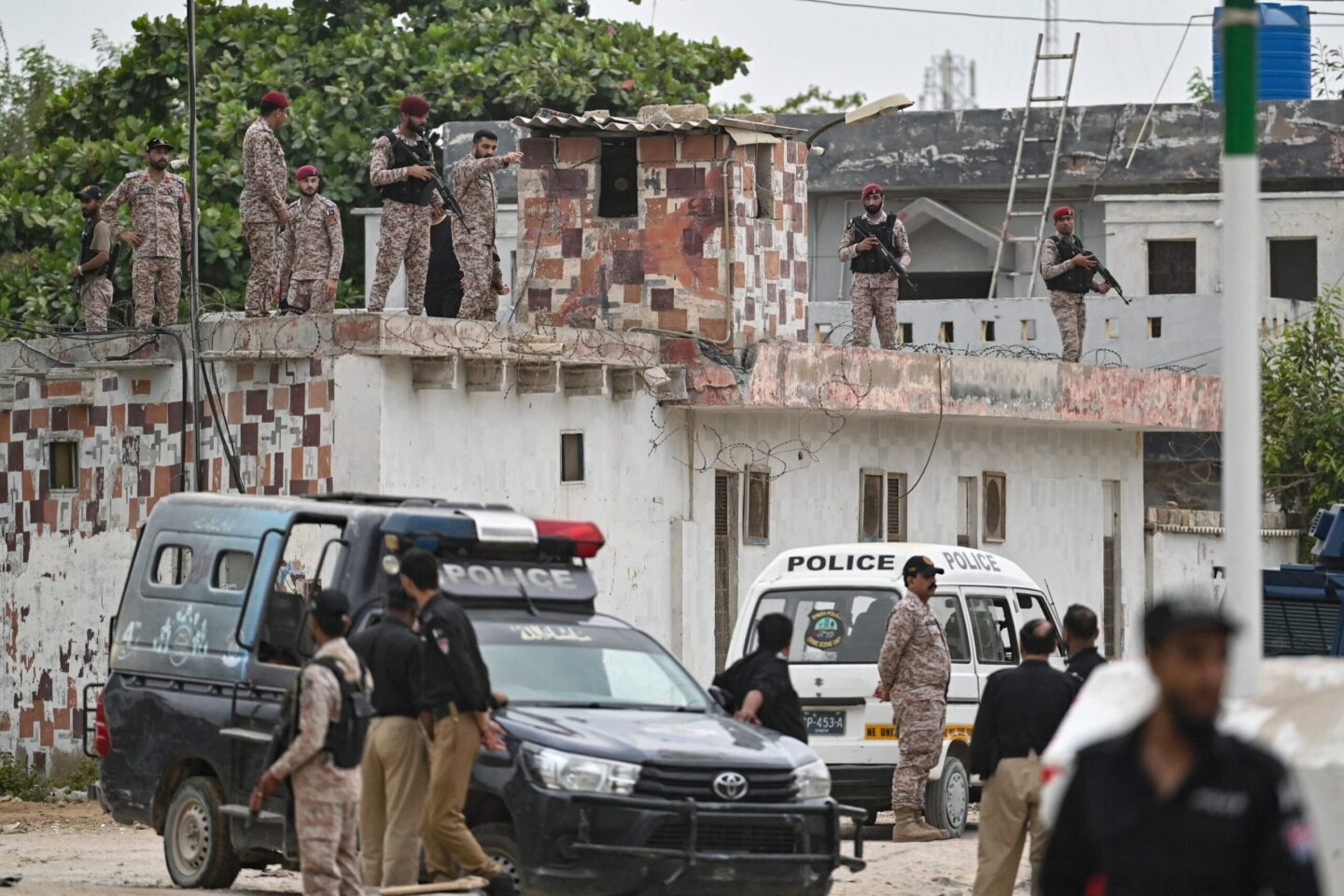
This latest development comes just a day after armed terrorists from Jamaat-ul-Ahrar, a splinter faction of the banned Tehreek-e-Taliban Pakistan (TTP), launched a brazen assault on the Sindh Rangers’ Bhittai Wing headquarters in Karachi’s Gulistan-e-Jauhar area on June 27, 2026. The attack has once again spotlighted the volatile security situation in Pakistan and the recurring pattern of cross-border accusations between the two nuclear-armed neighbors.
Details of the Karachi Terror Attack

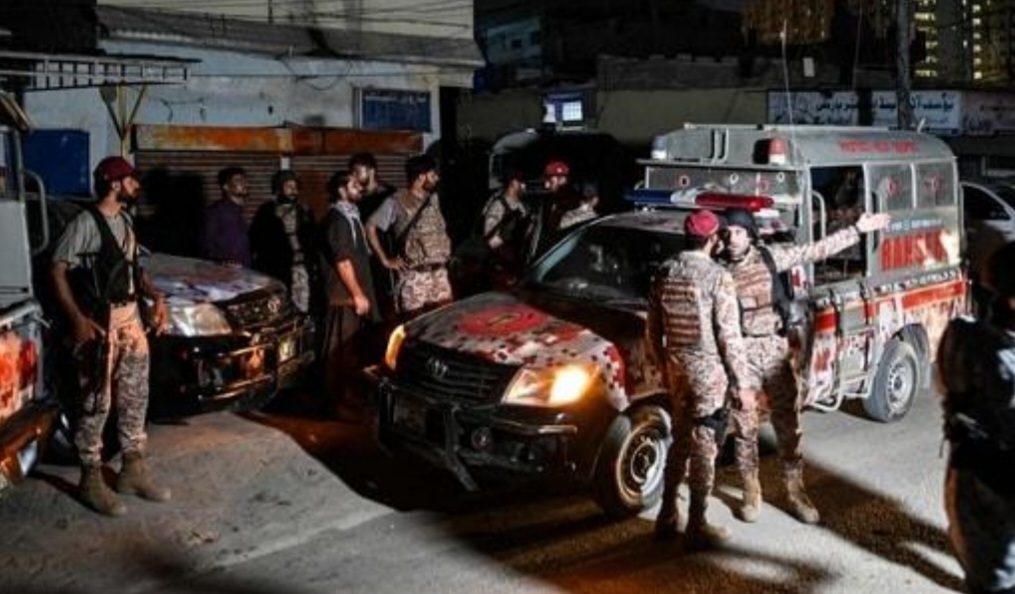
According to reports, the assault unfolded around 8:30 PM when terrorists rammed an explosives-laden vehicle through the main gate of the paramilitary facility. This was followed by heavy gunfire and grenade attacks, triggering a fierce gunbattle that lasted approximately 90 minutes. Pakistani security forces, including Rangers personnel, Special Security Unit (SSU) commandos, and the Anti-Terrorist Force (ATF), swiftly responded and neutralized six terrorists while capturing one injured attacker.
Tragically, four Rangers soldiers lost their lives in the line of duty, with additional personnel reported injured. The Jamaat-ul-Ahrar group claimed responsibility for the strike, highlighting the persistent threat posed by TTP-linked militants operating within Pakistan. Pakistani military statements have accused “Indian proxies” of orchestrating the attack, a narrative India has now firmly dismissed.
MEA’s Strong Rebuttal: “Better to Look Inwards”
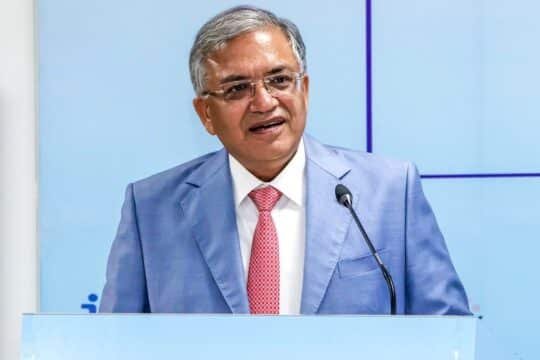
Addressing media queries, MEA Spokesperson Randhir Jaiswal issued a clear and measured statement:
“We have seen Pakistani reports making baseless allegations against India regarding the recent incident in Karachi. We categorically reject them. Instead of pointing fingers at others, Pakistan would do better to look inwards, take credible action against the terror infrastructure on its territory and rid itself of its proclivity to rely on terrorism as an instrument of state policy.”
This response underscores India’s consistent position on terrorism. New Delhi has repeatedly called upon Pakistan to dismantle terror networks operating from its soil rather than engaging in deflection tactics. The statement arrives amid heightened tensions, with Pakistan often blaming external forces for its internal security failures.
Broader Context: India-Pakistan Relations and Terrorism
The Karachi Terror Attack is not an isolated event. Pakistan has witnessed a surge in militant activities, particularly from TTP factions, in recent years. Analysts point to governance challenges, economic instability, and unchecked radicalization as key factors fueling such incidents.
India, on its part, has long maintained a zero-tolerance policy towards terrorism. The country’s security apparatus has successfully thwarted numerous attempts, while simultaneously advocating for international cooperation against cross-border terror. This latest MEA statement aligns with India’s diplomatic strategy of exposing Pakistan’s dual policy—publicly condemning terror while allegedly harboring infrastructure that supports it.
Experts believe such accusations serve as a distraction for Pakistan’s domestic audience. With internal political turmoil and economic pressures mounting, blaming India becomes a convenient narrative. However, global observers increasingly demand concrete actions from Islamabad, including dismantling terror camps and prosecuting handlers.
Related Regional Developments
In a separate but noteworthy development on the same day, India’s Directorate General of Shipping (DGS) withdrew an earlier order restricting the movement of Indian ships in the Strait of Hormuz but urged continued caution amid regional volatilities. This advisory reflects India’s proactive approach to safeguarding maritime interests and its seafarers in high-risk zones.
Meanwhile, in Jammu and Kashmir, authorities continue to focus on development and security, conducting mock rescue drills along Amarnath Yatra routes, signaling normalcy and preparedness in the Union Territory despite Pakistan’s frequent attempts to internationalize the issue.
Implications for Regional Stability
The Karachi Terror Attack and the subsequent blame game have the potential to further strain India-Pakistan relations. Diplomatic channels remain strained, with little progress on key issues like trade, people-to-people contacts, or counter-terrorism cooperation.
For India, the priority remains safeguarding its borders and citizens while exposing Pakistan’s support for terrorism on global forums like the UN and FATF. The international community has increasingly recognized Pakistan’s role as a hub for terror groups, leading to designations and pressures for compliance.
Pakistan, conversely, faces mounting internal challenges. The resurgence of TTP factions like Jamaat-ul-Ahrar indicates weaknesses in its counter-terrorism operations. Unless Islamabad takes decisive steps to eliminate these networks, such attacks are likely to continue, destabilizing the region and affecting innocent lives on both sides of the border.
Why This Matters: SEO Insights and Key Takeaways
- Rising Terrorism Threats: The Karachi incident highlights the urgent need for Pakistan to reform its security policies.
- Diplomatic Firmness: India’s MEA response exemplifies a mature yet assertive stance against unfounded allegations.
- Call for Action: Global stakeholders must pressure Pakistan to act transparently against terror financing and safe havens.
- Impact on Civilians: Such attacks disrupt daily life, economies, and prospects for peace in South Asia.
As the situation evolves, observers will closely monitor Pakistan’s response and any further developments from Indian authorities. For now, the message from New Delhi is loud and clear: Enough with the accusations—focus on rooting out terrorism from within.
This incident serves as a stark reminder of the complex security dynamics in the region. India remains committed to peace but will not hesitate to defend its interests and call out state-sponsored terrorism wherever it originates.