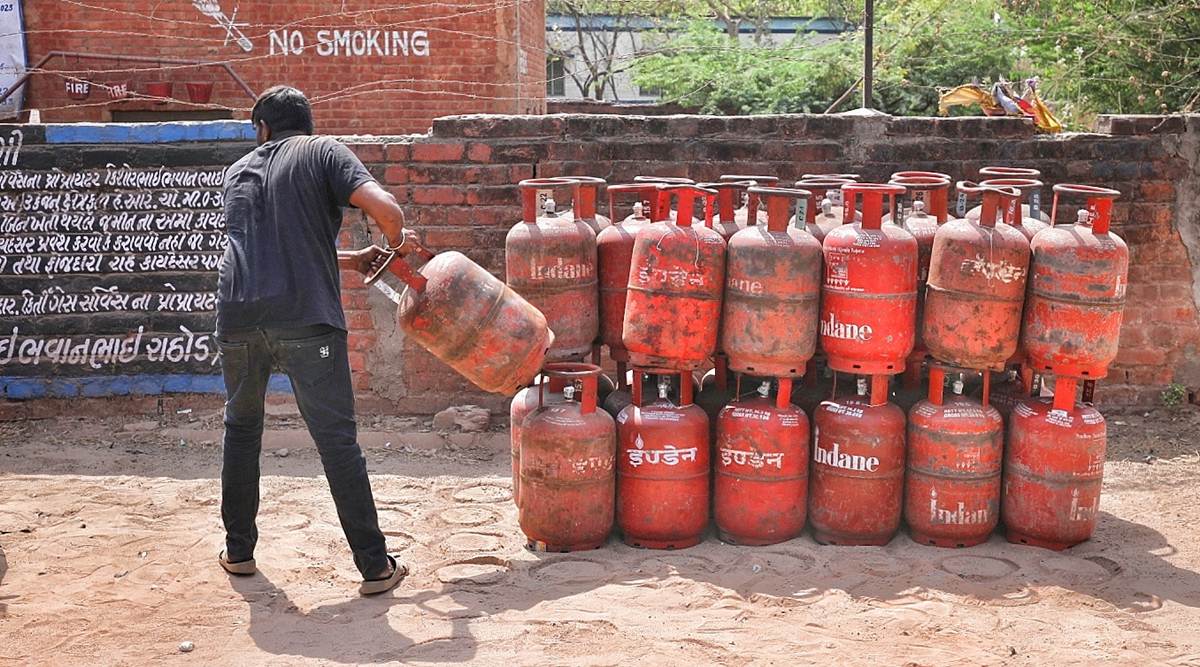
Domestic LPG Price Hike: Rs 29 Increase Per Cylinder Hits Delhi Households from June 7, 2026
Domestic LPG Price Hike: Rs 29 Increase Per Cylinder Hits Delhi Households from June 7, 2026
In a significant development that will directly affect millions of Indian households, the domestic LPG price has been raised by Rs 29 per cylinder. This marks the second increase in just three months as state-owned fuel retailers struggle with persistently high global energy costs. The latest domestic LPG price hike comes at a time when families are already grappling with rising inflation and fuel expenses across the board.
According to industry sources, the price of a standard 14.2-kg domestic LPG cylinder in Delhi will now rise to Rs 942 from the previous Rs 913. The revision became effective on June 7, 2026. This follows an earlier substantial hike of Rs 60 per cylinder on March 7, triggered by geopolitical tensions in West Asia that disrupted global energy supplies and pushed international fuel prices higher.
Why This Domestic LPG Price Hike Matters to Every Household
The domestic LPG price adjustment is not just a number—it directly impacts kitchen budgets for ordinary families relying on cooking gas for daily meals. With LPG being the primary cooking fuel for a vast majority of urban and semi-urban households in India, even a modest increase of Rs 29 translates into noticeable additional monthly expenditure, especially for lower and middle-income groups.
Industry experts point out that this latest domestic LPG price hike has only partially offset the massive losses incurred by oil marketing companies on domestic sales. Before the revision, state-run companies were reportedly losing around Rs 703 on every LPG cylinder sold. This under-recovery burden has been a persistent challenge, forcing periodic price corrections to align somewhat with market realities.
Sujata Sharma, Joint Secretary in the Ministry of Petroleum and Natural Gas, confirmed during an inter-ministerial briefing on June 4 that the under-recovery on domestic cooking cylinders remains in the range of almost Rs 700 even after previous adjustments. Her statements underscore the delicate balancing act the government is performing between consumer affordability and the financial health of public sector oil companies.
Broader Fuel Price Increases Adding to Consumer Burden
This domestic LPG price hike does not exist in isolation. It forms part of a larger wave of fuel price revisions. Petrol and diesel prices have seen a cumulative increase of Rs 7.50 per litre since mid-May, while compressed natural gas (CNG) rates have gone up by approximately Rs 6 per kg. These parallel hikes are compounding the pressure on household and transportation budgets.
On the commercial front, the prices of commercial LPG cylinders were also revised upward on June 1. In Delhi, a 19-kg commercial cylinder saw an increase of Rs 42, while in Kolkata the hike was Rs 53.50. Such coordinated adjustments across domestic and commercial segments reflect the broader impact of elevated international crude oil and LPG prices.
Government Steps to Ensure LPG Availability Amid Price Pressures
Despite the domestic LPG price increase, the government has been proactive in addressing supply concerns. Addressing media queries, Joint Secretary Sujata Sharma highlighted multiple initiatives taken to maintain adequate LPG availability across the country. These include ramping up domestic production and securing timely imports to meet demand.
Sharma also noted a recent moderation in LPG demand, attributing it to several positive factors:
- Reduced consumption by commercial and industrial users
- Improved booking cycles with 25-day and 45-day periods
- Technology-driven Delivery Authentication Code (DAC) linked deliveries that have enhanced efficiency and reduced leakages
These measures demonstrate the government’s commitment to streamlining the LPG supply chain while managing fiscal pressures. The introduction of technology in delivery authentication has particularly helped in curbing pilferage and ensuring cylinders reach genuine beneficiaries.
Historical Context of Domestic LPG Price Movements
The current domestic LPG price hike is part of a longer pattern influenced by global events. The March 2026 increase of Rs 60 per cylinder was a direct response to the West Asia conflict that sent shockwaves through energy markets. International LPG prices spiked due to supply disruptions, forcing Indian oil companies to either absorb losses or pass on a portion of the burden to consumers.
Before these recent hikes, the government had largely shielded domestic consumers through subsidies. However, with under-recoveries mounting to hundreds of rupees per cylinder, periodic corrections have become necessary. This approach aims to maintain the long-term sustainability of the LPG distribution system without completely withdrawing support for vulnerable sections.
Impact Analysis: How the Rs 29 Hike Affects Different Segments
For an average household using 2-3 cylinders per month, the domestic LPG price hike means an additional Rs 58 to Rs 87 in monthly expenditure. While this may seem modest, in the context of multiple simultaneous price increases in petrol, diesel, and groceries, it adds up to significant strain on family finances.
Rural households and small businesses relying on LPG for cooking and light commercial activities will feel the pinch more acutely. Many families may look for ways to optimize usage, such as switching to more efficient stoves or exploring alternative fuels where feasible, though LPG remains the most convenient option for most.
On the positive side, the partial pass-through of costs helps oil marketing companies reduce their losses, potentially freeing up resources for infrastructure investments and maintaining stable supply chains. This balance is crucial for preventing more severe shortages or future sharper price corrections.
SEO Insights: Understanding Domestic LPG Price Trends in 2026
For readers searching for “domestic lpg price” updates, this latest revision highlights the volatility in global energy markets and its direct transmission to Indian consumers. Monitoring lpg cylinder price hike announcements has become essential for budget planning. Experts suggest that continued geopolitical uncertainties could lead to further adjustments, making it important for consumers to stay informed.
The government’s focus on technology solutions like DAC and optimized booking cycles offers hope for better demand management. Consumers are advised to book cylinders promptly through official channels to avoid any delivery disruptions during this period of adjustment.
What Consumers Should Do Now
- Check New Prices: Confirm the updated domestic LPG price with your local distributor or through the official MyLPG portal.
- Budget Adjustment: Factor in the additional Rs 29 per cylinder in monthly household expenses.
- Efficient Usage: Adopt energy-saving cooking practices to minimize consumption.
- Subsidy Eligibility: Verify if you qualify for any ongoing subsidies under schemes like PMUY (Pradhan Mantri Ujjwala Yojana).
- Stay Updated: Follow reliable news sources for future announcements on domestic LPG price changes.
Looking Ahead: Future of Domestic LPG Pricing in India
The recent domestic LPG price hike reflects the challenges of balancing consumer needs with market dynamics in an interconnected global economy. As India continues to enhance domestic exploration and renewable energy integration, the dependency on imported LPG may gradually decrease, potentially stabilizing prices in the long term.
For now, the focus remains on ensuring uninterrupted supply while gradually addressing under-recoveries. The Ministry of Petroleum and Natural Gas continues to monitor the situation closely, with emphasis on both availability and affordability.
This domestic LPG price development serves as a reminder of how global events influence everyday life in India. Households are encouraged to plan ahead and make informed choices to navigate these price adjustments effectively.
The article will be updated with any further clarifications or additional government measures. Stay tuned for more comprehensive coverage on fuel price movements, energy policy, and their impact on Indian consumers.