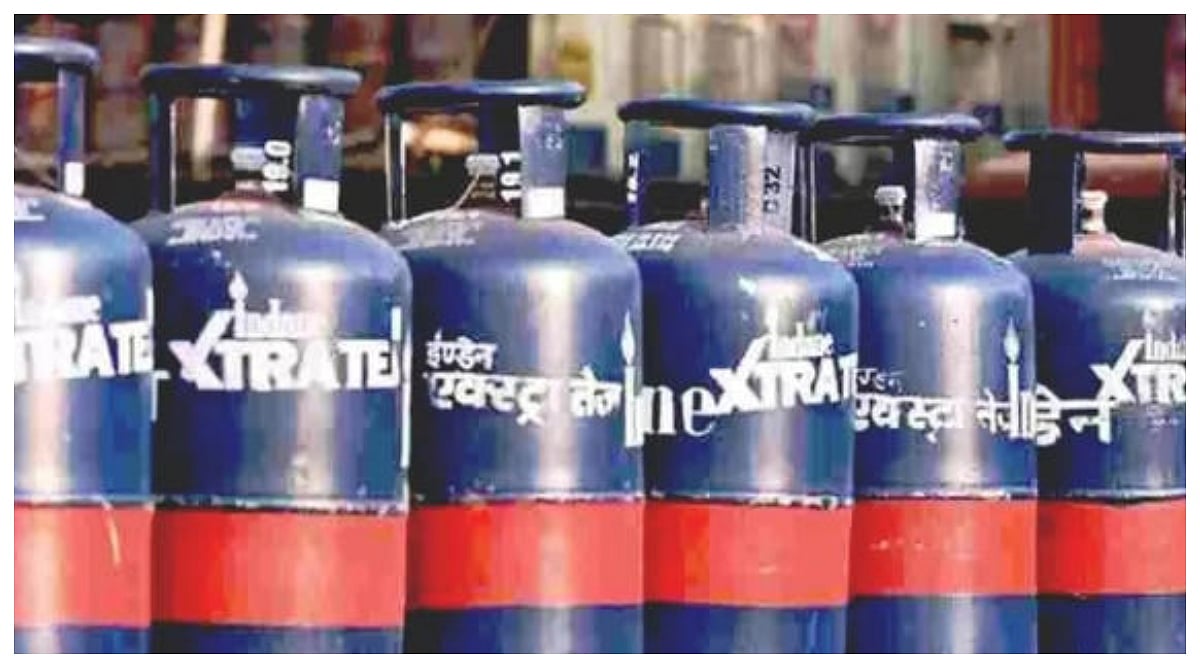
Commercial LPG Price Hike 2026: 84% Surge in 5 Months Crushes Restaurants & Small Businesses
Commercial LPG Price Hike 2026: 84% Surge in Five Months Forces Restaurants, Hotels, and Caterers into Crisis
The commercial LPG price has once again delivered a heavy blow to India’s hospitality and small business sector. Effective June 1, 2026, commercial LPG cylinder prices have increased across major states, adding fresh pressure on restaurants, bakeries, hotels, and caterers already struggling with inflation.
In Madhya Pradesh, the commercial LPG price rose by ₹44 per 19-kg cylinder. This is the second hike in a month, following the May 1 revision. Industry representatives report that commercial LPG prices have jumped nearly ₹1,300 in the past three months alone, marking an alarming trend that is rapidly pushing food prices higher.
Current Commercial LPG Prices in Major Madhya Pradesh Cities (June 1, 2026)
- Bhopal: ₹3,116.50
- Indore: ₹3,222.50
- Jabalpur: ₹3,290
- Gwalior: ₹3,338.50
- Ujjain: ₹3,259
In Delhi, the commercial LPG price increased by ₹42, taking the rate to ₹3,113.50 per 19-kg cylinder. Kolkata saw a steeper hike of ₹53.50, pushing the price to ₹3,255.50. Even 5-kg Free Trade LPG (FTL) cylinders witnessed an ₹11 increase, now costing ₹821.50 in Delhi.
Domestic LPG cylinder prices remain unchanged, but the sharp focus on commercial rates has left thousands of businesses vulnerable.
84% Massive Rise in Commercial LPG Price Since January 2026
The numbers paint a concerning picture. In Delhi, a 19-kg commercial LPG cylinder cost just ₹1,691.50 in January 2026. Today, it stands at ₹3,113.50 — an increase of more than 84% in five months. This dramatic commercial LPG price escalation is not just a statistical spike; it is directly burning holes in the pockets of small business owners and inflating the cost of everyday meals for common citizens.
Bhopal Hotel and Restaurant Association members revealed that commercial LPG has become nearly 60% costlier compared to earlier rates. This continuous rise is forcing businesses to make tough decisions.
Severe Impact on Restaurants, Hotels, and Catering Industry
Restaurants and caterers across Mumbai, Lucknow, Hyderabad, and other cities are facing serious operational challenges. Many have already increased menu prices by 10-15% following previous hikes. With the latest commercial LPG price increase, further revisions appear inevitable.
A catering order for 500 people that previously cost around ₹5 lakh now requires an additional ₹45,000 to ₹50,000 just to cover the higher gas costs. Hotels and caterers report that operating costs have risen by around 10% due to this single factor.
Several establishments have already initiated staff layoffs to manage the burden. Bakeries, cloud kitchens, and roadside eateries — which operate on thin margins — are among the worst affected. Many fear that continued commercial LPG price hikes could lead to closures, especially for small and medium businesses.
The broader economic impact is visible in the catering sector. Large events, weddings, and corporate functions are seeing significant cost escalations. Consumers are ultimately bearing the brunt through higher food bills, contributing to overall inflation in the hospitality industry.
Why Are Commercial LPG Prices Rising So Sharply?
While the exact reasons behind the repeated revisions are linked to global crude oil trends, rupee depreciation, and domestic pricing mechanisms, the lack of relief for commercial users is causing widespread concern. Domestic consumers continue to enjoy subsidized rates, but commercial users — who form the backbone of the food service industry — are exposed to full market volatility.
Experts monitoring the situation note that this selective pricing policy is creating an uneven playing field. Small restaurants and hotels, which cannot easily pass on the entire cost to customers, are absorbing a large portion of the increase, squeezing their profitability.
Comparison with Previous Years
This is not an isolated incident. Commercial LPG price has shown consistent upward movement over the past few years, but the pace observed in 2026 has been exceptionally steep. The current rate in major cities crossing the ₹3,100 mark for a 19-kg cylinder is unprecedented and has triggered urgent discussions among industry bodies.
Government and Industry Response
As of now, there has been no official statement from the government on providing relief to commercial users. Industry associations are expected to meet with petroleum ministry officials to demand intervention. They argue that sustained high commercial LPG prices could negatively impact tourism, employment in the hospitality sector, and overall economic recovery in small business segments.
What Should Businesses Do?
- Optimize Usage: Train staff on energy-efficient cooking practices to reduce consumption.
- Menu Engineering: Focus on dishes that require less cooking time or lower gas usage.
- Bulk Purchasing: Explore options for negotiated rates with distributors where possible.
- Pass on Costs Smartly: Gradual and transparent price revisions to retain customer loyalty.
- Alternative Fuels: Some large chains are exploring induction or electric cooking solutions in phases, though initial investment remains a challenge.
Consumer Impact and Inflation Link
The commercial LPG price hike is not just a business problem — it directly affects middle-class families. Eating out has become noticeably more expensive. With food inflation already a concern, this additional pressure on restaurants is likely to reflect in household budgets.
Economists warn that if commercial LPG prices continue their upward trajectory without corresponding relief measures, it could contribute to broader inflationary trends in the services sector.
Broader Context from Recent Broadcasts
A recent episode of 5 Live extensively covered this issue, highlighting how restaurants in Mumbai, Lucknow, and Hyderabad are managing higher costs and, in some cases, resorting to layoffs. The broadcast also touched upon parallel concerns in education and health sectors, but the dominant theme remained the crippling effect of rising commercial fuel costs.
Conclusion: Urgent Need for Balanced Policy
The relentless commercial LPG price surge demands immediate attention from policymakers. While market-linked pricing has its merits, the survival of small businesses and the affordability of food services must also be prioritized.
As the situation evolves, businesses and consumers alike will be watching closely for any rollback or subsidy announcements. Until then, the hospitality industry continues to bear the brunt of this 84% commercial LPG price explosion in just five months.
For the latest updates on commercial LPG price changes, state-wise rates, and expert analysis, stay tuned to our news website. We will continue tracking how this developing story impacts your business and daily life.