Kalyan Banerjee Attacked in Hooghly: TMC Alleges BJP Conspiracy After Abhishek Banerjee Assault
Kalyan Banerjee Attacked: Fresh Assault on TMC MP Exposes Deepening Crisis in West Bengal
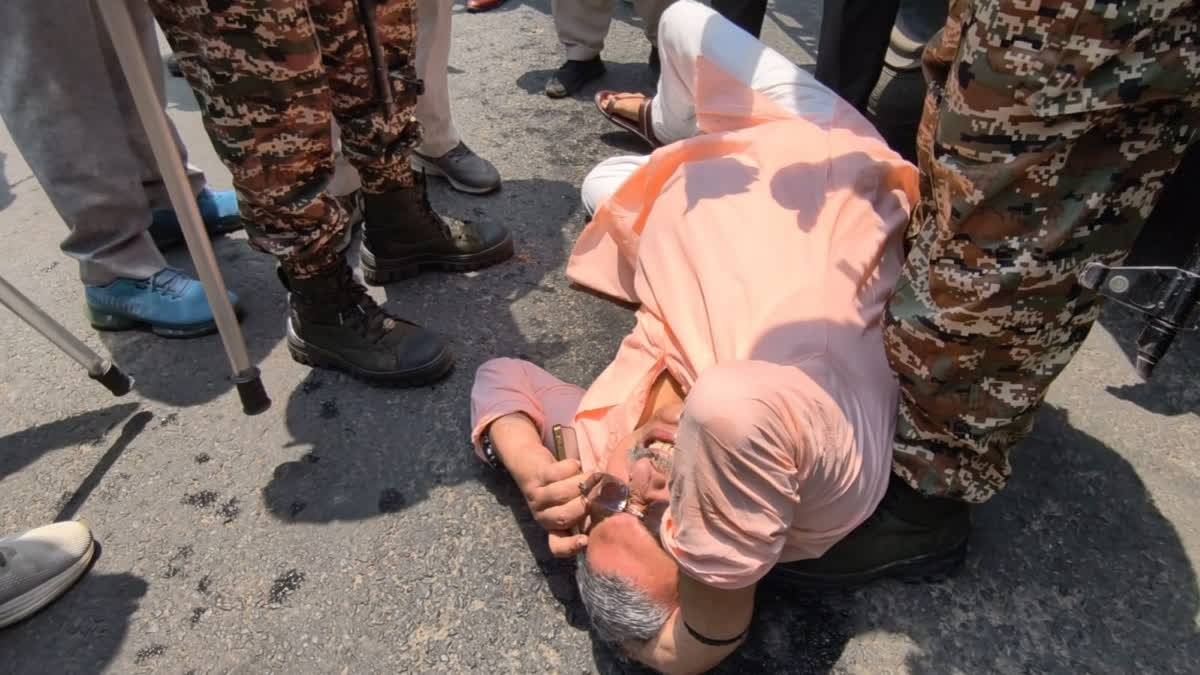
In a shocking escalation of political violence in West Bengal, senior Trinamool Congress (TMC) leader and Serampore MP Kalyan Banerjee was mobbed and injured on Sunday during a protest outside Chanditala police station in Hooghly district. This incident comes less than 24 hours after another prominent TMC MP, Abhishek Banerjee, was attacked while visiting families of post-poll violence victims. The back-to-back assaults have sent shockwaves across the state, with TMC leaders crying foul and pointing fingers at BJP-backed elements.
Eyewitness accounts and party statements paint a disturbing picture of lawlessness. Kalyan Banerjee, a vocal parliamentarian known for his fiery speeches in the Lok Sabha, had arrived at the Chanditala police station to submit a memorandum against the recent arrests of TMC leaders and workers. What started as a peaceful protest quickly turned chaotic as alleged BJP supporters gathered outside the station, waving black flags and shouting slogans like “thief” at the TMC delegation.
According to multiple reports, tension peaked when an object was allegedly hurled at Kalyan Banerjee, causing visible injuries. Party workers accompanying him were also assaulted in the melee. The presence of police at the spot has raised serious questions about security lapses, with TMC accusing authorities of deliberate inaction.
TMC’s Strong Condemnation and Allegations of Political Conspiracy
The Trinamool Congress wasted no time in responding. In an official post on X (formerly Twitter), the party highlighted the “complete lawlessness” and stated that “democracy was under attack.” The detailed statement read:
“Less than 24 hours after the attack on @abhishekaitc yesterday, Shri @KBanerjee_AITC was attacked today while on his way to submit a deputation at Chanditala Police Station. He sustained an injury at the hands of BJP-backed miscreants. How were these hooligans allowed to gather outside the police station? How could brick-batting take place in the presence of the police? It has been 26 days since the election results were declared, yet post-poll violence continues unabated. COMPLETE LAWLESSNESS! DEMOCRACY IS UNDER ATTACK!”
Kalyan Banerjee himself addressed the media after the incident, visibly emotional. He claimed that around 10 BJP supporters wearing saffron headbands launched a coordinated assault on TMC workers. “They spared no one, even I was attacked,” he said. The MP accused the BJP of wanting to “wipe us out completely” and appealed to the people of Bengal to remain vigilant.
In a dramatic moment that captured widespread attention, Kalyan Banerjee broke down while speaking to reporters. He further alleged that the officer-in-charge at Chanditala police station deliberately allowed the attack to happen. “Is this the change you wanted? Suvendu Adhikari is a murderous Chief Minister,” he remarked, targeting the BJP’s prominent state leader. He vowed that as long as Trinamool Congress and Mamata Banerjee exist, the fight for justice would continue.
Mamata Banerjee’s Fiery Response: “BJP is Murdering Democracy”
TMC supremo and former Chief Minister Mamata Banerjee rushed to Kalyan Banerjee‘s residence to personally check on his condition. In a strongly worded post on X, she condemned the attacks on two senior leaders within 24 hours:
“Yesterday, BJP supporters brutally attacked and lynched @AITCofficial Lok Sabha Floor Leader @abhishekaitc. The terrifying videos are in the public domain. Today, our Chief Whip in Lok Sabha, @KBanerjee_AITC, was also a victim of a planned BJP attack. BJP is murdering democracy.”
Mamata Banerjee refused to dismiss these incidents as mere law-and-order failures. She described them as a “politically motivated conspiracy” aimed at assassinating democracy in the state. The TMC chief warned that her party would take to the streets in protest and approach the courts. She also announced plans to inform the Governor about the deteriorating situation.
Both Abhishek Banerjee and Kalyan Banerjee have asserted that the attacks were attempts on their lives. They plan to move the Calcutta High Court seeking justice and intervention.
Immediate Aftermath and Security Measures
Following the attack on Kalyan Banerjee, authorities tightened security in the Hooghly district. Additional police personnel and central forces were deployed to prevent further unrest. However, the TMC maintains that such measures are reactive and fail to address the root cause of alleged political targeting.
The BJP has denied all allegations, calling them baseless and politically motivated. The party has not issued a detailed official response yet, but sources indicate they view TMC’s claims as an attempt to deflect attention from internal issues.
Background: Persistent Post-Poll Violence in West Bengal
This latest incident involving Kalyan Banerjee is not isolated. Since the declaration of election results 26 days ago, reports of post-poll violence have continued to surface from various parts of West Bengal. The state has a long history of intense political rivalry between TMC and BJP, often leading to clashes during and after elections.
Kalyan Banerjee, representing Serampore, has been a key figure in TMC’s parliamentary strategy as Chief Whip in Lok Sabha. His attack, along with the previous day’s assault on Abhishek Banerjee (Mamata Banerjee’s nephew and a rising star in the party), suggests a pattern that has alarmed political observers.
Experts point to several factors contributing to this volatile environment:
- High-stakes political battles in key districts like Hooghly
- Alleged polarization along party lines
- Concerns over police neutrality in handling protests
- Economic and social tensions in rural and semi-urban areas
The involvement of Kalyan Banerjee brings national attention to what was previously seen as localized violence. As a senior MP, his injury has prompted calls for intervention from higher authorities, including the Election Commission and Union Home Ministry.
Broader Implications for Democracy in India
The repeated attacks on opposition leaders raise critical questions about democratic health in West Bengal. TMC leaders argue that such incidents are designed to silence dissenting voices and create an atmosphere of fear. “State terror” is the term being used by party spokespersons to describe the situation.
On the other hand, political analysts suggest that both sides need to engage in dialogue to de-escalate tensions. The deployment of central forces indicates the seriousness with which the situation is being viewed at the administrative level.
For the people of Bengal, especially in Hooghly and surrounding areas, the immediate concern is safety and normalcy. Many residents have expressed anxiety over the recurring violence that disrupts daily life and economic activities.
What Lies Ahead?
As Kalyan Banerjee recovers from his injuries, the focus shifts to the legal and political battle that TMC promises to wage. The party’s planned protests and court petitions could further intensify the TMC-BJP confrontation.
Political observers will be closely watching how the state government and central agencies respond. Will there be an impartial investigation into the attacks on Kalyan Banerjee and Abhishek Banerjee? Can peace be restored before more lives are affected?
This incident serves as a stark reminder of the challenges facing Indian democracy at the grassroots level. The story of Kalyan Banerjee‘s attack is still developing, with potential ramifications for the state’s political landscape in the coming weeks and months.
The people of West Bengal deserve peace, stability, and the right to express political views without fear. Whether the latest outrage involving Kalyan Banerjee leads to meaningful action or becomes another chapter in the state’s troubled political history remains to be seen.