India Sends Emergency Pharmaceutical Supplies to Combat Ebola Outbreak in DR Congo: Boosting Africa’s Health Security Against Bundibugyo Strain
India’s Timely Support in the Fight Against Ebola Outbreak in Congo
In a significant display of international solidarity, India has sent emergency pharmaceutical supplies to bolster efforts to contain the ongoing Ebola outbreak in Congo. The Africa Centres for Disease Control and Prevention (Africa CDC) announced the arrival of the consignment on Wednesday, highlighting India’s crucial role in addressing the public health emergency.
The donation, received by Africa CDC’s Eastern Africa Regional Coordinating Centre in Uganda, includes essential diagnostics, therapeutics, infection prevention and control (IPC) materials, and case management support. These supplies are being deployed to affected communities in eastern Democratic Republic of Congo (DRC), where the Bundibugyo strain of the Ebola virus is causing widespread concern.
“Africa CDC welcomes the arrival of emergency pharmaceutical supplies generously donated by the Government and people of India to support the ongoing response to the Bundibugyo Ebola outbreak in the DRC,” the agency stated. It thanked India for its “continued support and commitment to protecting lives and advancing health security across the continent.”
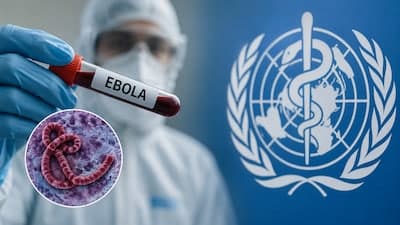
This development comes shortly after the World Health Organization (WHO) declared the Ebola outbreak in Congo and Uganda a Public Health Emergency of International Concern (PHEIC) on May 17, 2026. As of late May 2026, reports indicate over 1,000 suspected infections and at least 220 fatalities, with the actual numbers potentially higher due to challenges in remote and conflict-affected areas.
Understanding the Bundibugyo Ebola Outbreak in DR Congo
The current outbreak is driven by the Bundibugyo virus, one of six known Ebola species. First identified in Uganda in 2007, it has caused periodic but less frequent outbreaks compared to the more common Zaire strain. Unlike the Zaire Ebola virus, for which vaccines and treatments exist, there are currently no approved drugs or vaccines specifically for the Bundibugyo strain. This makes the response particularly challenging and underscores the urgency of supportive care and infection control measures.
Ebola is a severe, often fatal illness transmitted through direct contact with infected bodily fluids, contaminated materials, or infected animals. Common symptoms include fever, vomiting, diarrhoea, generalized body pain, weakness, and in severe cases, internal and external bleeding. The virus can enter human populations through close contact with wildlife such as fruit bats, chimpanzees, gorillas, monkeys, forest antelope, or porcupines in rainforest areas.
The outbreak is centered in Ituri Province in northeastern DRC, with spread to North Kivu, South Kivu, and cross-border transmission into Uganda. Factors like insecurity, population displacement, mining activities, and frequent cross-border movement have complicated containment efforts. Health authorities are working rapidly to strengthen surveillance, laboratory diagnostics, contact tracing, and community engagement.
India’s Growing Role in Global Health and Africa Partnerships
India’s donation is part of a broader pattern of expanding health and development cooperation with African nations. In recent years, India has provided medicines, vaccines, and medical assistance during major public health crises, most notably the COVID-19 pandemic. The supply of diagnostics, therapeutics, and protective equipment reflects India’s capacity as a global pharmaceutical leader and its commitment to South-South cooperation.
By routing supplies through Uganda’s regional centre, the consignment can be efficiently distributed to frontline responders in eastern DRC. This logistical approach minimizes delays in a region facing infrastructure and security challenges.
Africa CDC’s appreciation highlights the importance of such partnerships. As the continental public health agency coordinates the response, contributions like India’s help fill critical gaps in supplies, especially PPE, laboratory reagents, and case management tools. Over 17 tons of emergency supplies have already been shipped to DRC by various partners, but more is needed.
Challenges in Containing the Ebola Outbreak
Containing the Ebola outbreak in Congo presents multiple hurdles:
- Lack of Specific Countermeasures: With no approved vaccine or therapeutic for Bundibugyo, response relies heavily on supportive care, isolation, and strict infection prevention protocols.
- High-Risk Environment: Eastern DRC has long faced conflict, displacement, and limited healthcare access. Mining areas and cross-border travel increase transmission risks.
- Underreporting Potential: Remote communities and insecurity mean the true scale may exceed current figures of over 1,000 suspected cases and significant fatalities.
- Regional Spread: Confirmed cases in Uganda, including in Kampala, require coordinated bilateral and regional efforts.
WHO, Africa CDC, national health ministries, and partners like MSF are deploying rapid response teams, setting up treatment centres, and enhancing laboratory capacity. Calls for additional funding—such as Africa CDC’s appeal for $319 million—emphasize the need for sustained international support.
Symptoms, Transmission, and Prevention Strategies
Early recognition is vital. Initial symptoms often mimic common illnesses like malaria or influenza, leading to potential delays in diagnosis. As the disease progresses, patients may experience severe dehydration, organ failure, and hemorrhagic symptoms.
Transmission occurs via:
- Direct contact with blood or bodily fluids of infected persons
- Contaminated needles or medical equipment
- Handling infected animals or their remains
- Burial practices involving close contact with the deceased
Prevention focuses on:
- Rigorous hand hygiene and use of personal protective equipment (PPE) by healthcare workers
- Safe burial practices
- Community education to reduce stigma and encourage early reporting
- Surveillance at borders and high-risk areas
- Avoiding bushmeat and contact with potentially infected wildlife
India’s donated IPC materials and diagnostics will directly support these efforts, enabling faster case detection and safer treatment environments.
Broader Implications for Global Health Security
This outbreak serves as a reminder of the interconnected nature of global health. The PHEIC declaration by WHO signals the need for coordinated international action to prevent wider spread to neighboring countries. Up to 10 African nations sharing borders with DRC could be at risk.
India’s contribution not only provides immediate relief but also strengthens long-term health system resilience in Africa. It aligns with initiatives like the African Union’s health agenda and global frameworks for pandemic preparedness.
As the situation evolves, stakeholders emphasize the importance of research into Bundibugyo-specific countermeasures. Clinical trials for candidate vaccines and therapeutics are priorities, supported by international partners.
Looking Ahead: Hope Through Collaboration
The arrival of India’s emergency pharmaceutical supplies marks a positive step in the response to the Ebola outbreak in Congo. While challenges remain significant, the combined efforts of African nations, India, WHO, Africa CDC, and other partners demonstrate a commitment to containing the virus and protecting vulnerable populations.
Health authorities continue to urge vigilance, rapid reporting of symptoms, and adherence to safety protocols. For travelers to affected regions, following official travel advisories is essential.
India’s proactive support reinforces its position as a reliable partner in global health emergencies. As the response progresses, continued solidarity and resource mobilization will be key to overcoming this outbreak and building stronger health defenses across the continent.
This event underscores the value of timely international cooperation in addressing emerging infectious diseases. With sustained efforts, the trajectory of the Bundibugyo Ebola outbreak can be altered, saving lives and preventing further regional impact.