Supreme Court 38 Judges: President Droupadi Murmu Promulgates Ordinance Increasing Strength to 38 Including CJI – Full Details, History & Impact on Pendency Crisis
Supreme Court 38 Judges Ordinance: A Major Step to Tackle Mounting Judicial Pendency
New Delhi, May 17, 2026 – In a significant development aimed at strengthening the apex judiciary, President Droupadi Murmu on Sunday promulgated an ordinance increasing the number of judges in the Supreme Court of India to 37, excluding the Chief Justice of India (CJI). This move brings the total sanctioned strength of the Supreme Court to 38 judges, including the CJI.
The gazette notification dated May 16, 2026, states that Parliament is not in session and the President is satisfied that circumstances exist which render it necessary for her to take immediate action. The ordinance has been issued under the powers conferred by Article 123 of the Constitution of India. It will be placed before both Houses of Parliament upon its reassembly and will cease to operate if not approved within six weeks or if disapproved by resolutions in both Houses. The President may also withdraw it at any time.
This timely intervention addresses the long-standing crisis of case pendency in the Supreme Court, which has crossed 93,000 cases and threatens to reach six figures. The development comes nearly two weeks after the Union Cabinet approved the proposal on May 5, 2026.
Why Supreme Court Needs 38 Judges: The Pendency Crisis Explained
The Supreme Court of India, the highest judicial authority, has been grappling with an ever-increasing backlog of cases. As of March 2026, pendency stood at over 93,143 cases, with civil cases forming the bulk. E-filing facilities introduced during the pandemic have significantly boosted case filings, overwhelming the existing bench strength.
With the new ordinance, the sanctioned strength rises from 34 (including CJI) to 38. This will allow for more division benches, potentially accelerating disposal rates and ensuring faster delivery of justice. Legal experts view this as a crucial reform to restore public faith in the judiciary and reduce delays that often span years.
Currently, there are two vacancies in the top court following the retirements of Justice B.R. Gavai in November 2025 and Justice Rajesh Bindal in April 2026. Three more judges—Justices J.K. Maheshwari, Pankaj Mithal (June 2026), and Sanjay Karol (August 2026)—are set to retire this year. The increased strength will provide much-needed bandwidth to fill these gaps and handle the workload effectively.
Historical Evolution of Supreme Court Judge Strength: From 8 to 38
The framers of the Indian Constitution envisaged a lean Supreme Court under Article 124(1): a Chief Justice of India and “not more than seven judges” until Parliament prescribes a larger number.
- Original Strength (1950): 1 CJI + 7 judges = 8 total.
- Supreme Court (Number of Judges) Act, 1956: Raised to 1 CJI + 10 judges.
- 1960 Amendment: Increased to 13 (excluding CJI).
- 1977 Amendment: To 17.
- 1986 Amendment: Augmented to 25 (excluding CJI).
- 2009 Amendment (effective around 2008-09): Raised to 30.
- 2019 Amendment: From 31 to 33 (excluding CJI), taking total to 34.
The latest Supreme Court (Number of Judges) Amendment Ordinance 2026 amends Section 2 of the 1956 Act, replacing “thirty-three” with “thirty-seven”. This marks the seventh major increase since independence, reflecting the growing demands on the apex court as India’s population and economy expand.
Details of the Ordinance and Legislative Process
The ordinance amends the Supreme Court (Number of Judges) Act, 1956, to facilitate the hike. Once Parliament convenes, the government is expected to introduce the corresponding bill for ratification. This six-year hiatus since 2019 underscores the urgency felt by the executive.
Union Law Minister Arjun Ram Meghwal highlighted the President’s approval, emphasizing the need for more judges to clear backlogs. The Cabinet decision aligns with recommendations from various judicial reform bodies that have long advocated for higher judge strength at all levels.
Broader Implications for Indian Judiciary and Access to Justice
Increasing the Supreme Court’s strength to 38 judges is not merely numerical; it carries profound implications:
- Faster Case Disposal: More benches can hear regular matters, constitutional benches, and urgent petitions simultaneously.
- Specialized Benches: Potential for dedicated benches on emerging areas like technology, environment, and corporate disputes.
- Relief to High Courts: Quicker Supreme Court decisions on appeals will reduce uncertainty in lower judiciary.
- Public Confidence: Timely justice is a cornerstone of rule of law. Reduced pendency can deter frivolous litigation and encourage settlements.
- Diversity in Judiciary: Calls have been made to ensure new appointments include more women judges and representation from diverse backgrounds. Senior advocate Indira Jaising, among others, has emphasized prioritizing eligible women Chief Justices of High Courts.
Challenges Ahead: Appointments, Infrastructure, and Reforms
While the strength increase is welcome, several challenges remain:
- Collegium System: Appointments are recommended by the Supreme Court Collegium. Delays in government clearances have been a recurring issue.
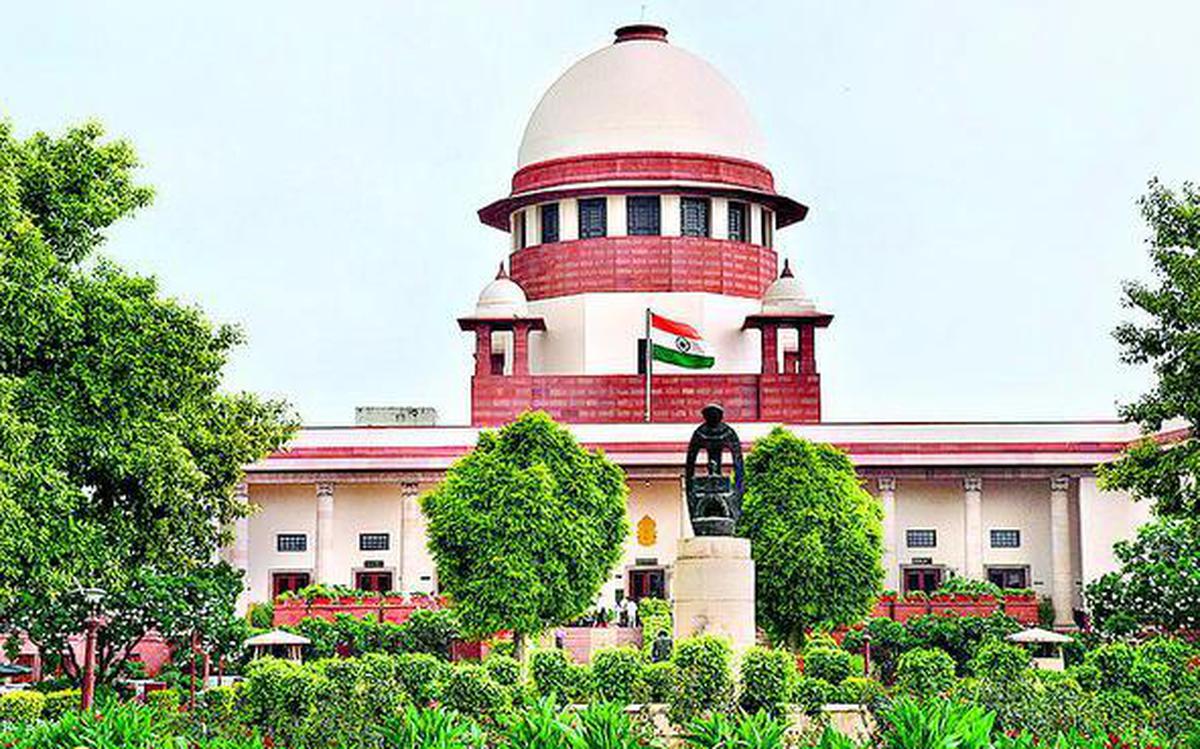
- Infrastructure: The Supreme Court building may need expansion or better utilization of digital infrastructure for more judges.
- Quality over Quantity: Merely adding judges without addressing procedural reforms, like limiting lengthy arguments or promoting mediation, may yield limited results.
- Financial Implications: Higher judge strength means increased expenditure on salaries, staff, and facilities, though this is justified for judicial efficiency.
Experts also point out that similar reforms are needed at High Courts and district levels, where pendency is even more acute.
Context of Article 123: Ordinance Route Justification
Article 123 empowers the President to promulgate ordinances when Parliament is not in session and immediate action is required. This power has been used judiciously but sometimes controversially. In this case, with Parliament’s monsoon session approaching, the ordinance ensures the process starts immediately, preventing further delays in addressing the pendency crisis.
The Supreme Court has previously ruled on the justiciability of the President’s satisfaction under Article 123, emphasizing that ordinances cannot be a substitute for regular legislation in ordinary circumstances.
Reactions and Expert Opinions
The move has received widespread support from the legal fraternity for tackling pendency. However, some critics question the timing and the ordinance route when the session is near. Stakeholders urge the government and collegium to expedite appointments to realize the full benefit of the increased strength swiftly.
Future Outlook for Supreme Court 38 Judges Era
With total strength reaching 38, the Supreme Court is poised to enter a new phase of enhanced capacity. Combined with ongoing digital initiatives, virtual hearings, and potential procedural reforms, this could mark a turning point in reducing the average life of a case at the apex level.
As India aspires to be a developed nation by 2047, a robust and efficient judiciary is indispensable. The Supreme Court 38 judges decision signals the government’s commitment to judicial infrastructure matching the country’s growth ambitions.
This historic ordinance not only expands the bench but also reaffirms the constitutional commitment to justice, liberty, and equality by ensuring timely resolution of disputes that shape the nation’s legal landscape.