Gold Import Duty Hiked to 15% in India: Impact on Gold Prices in India, Middle Class, and Jewellery Market 2026
Gold Import Duty Increased to 15%: Government’s Move Sparks Concern Among Middle Class and Jewellery Traders Amid Fears of Black Market
By News Desk | Updated: May 14, 2026
Gold Price in India : In a significant policy decision aimed at curbing rising imports and easing pressure on foreign exchange reserves, the Indian government has raised the import duty on gold and silver to 15% from the previous 6%. The new rates, which include a 10% basic customs duty and 5% Agriculture Infrastructure and Development Cess (AIDC), came into effect on May 13, 2026.
This hike in gold import duty arrives shortly after Prime Minister Narendra Modi urged citizens to avoid unnecessary gold purchases for at least a year, highlighting the need for economic prudence amid global uncertainties, particularly in West Asia. As India’s gold imports have surged dramatically, this move is expected to directly influence gold price in India, making the yellow metal even more expensive for domestic buyers.
Why Has the Government Increased Gold Import Duty?
India remains the world’s second-largest consumer of gold after China. According to official data, gold imports jumped over 24% to a record $71.98 billion in the 2025-26 financial year. In the previous year (2023-24), the import bill stood at $45.54 billion, up from $35.02 billion in 2022-23.
The primary reasons for the duty hike include:
- Protecting forex reserves and supporting the Indian rupee amid global instability.
- Reducing the Current Account Deficit (CAD) widened by high bullion imports.
- Aligning with broader austerity appeals to curb non-essential imports.
The decision effectively more than doubles the previous effective duty rate, directly increasing the landed cost of gold and silver. Industry experts predict that jewellers will pass on most of this additional cost to consumers, leading to a noticeable spike in retail gold price in India.
Immediate Impact on Gold Prices in India and Consumers
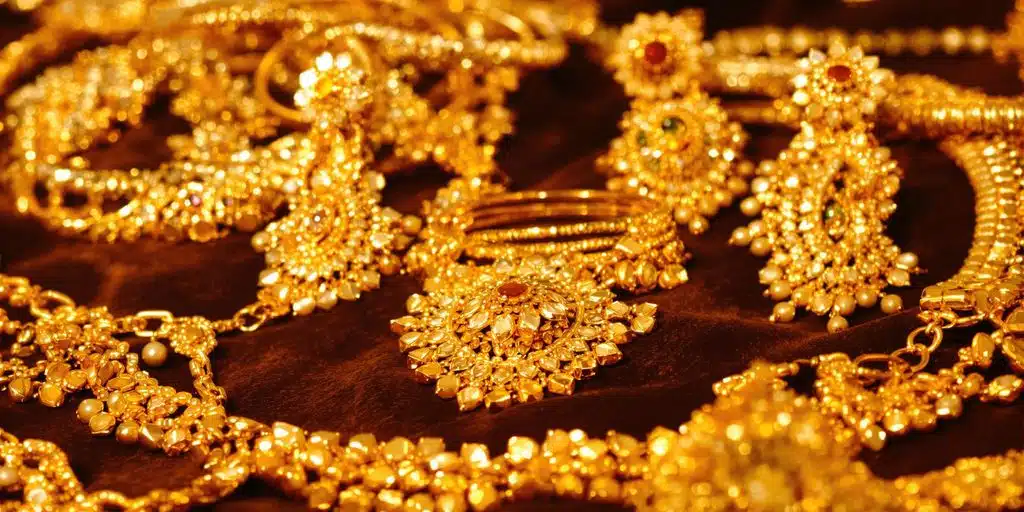
Following the announcement, gold and silver futures on the Multi Commodity Exchange (MCX) surged sharply. Domestic jewellery prices are expected to reflect the hike quickly, adding thousands of rupees to the cost of even basic ornaments.
For middle-class families, this could not have come at a worse time. The wedding season and various festivals are approaching, periods when gold and silver purchases traditionally peak. Families planning weddings or auspicious events now face a significantly higher financial burden. A family intending to buy 50-100 grams of gold for a wedding may now have to shell out an extra 8-10% or more compared to pre-hike prices.
Nirbhay Singh Rajput, President of the Maharashtra Jewellers Association, expressed deep concern: “India’s domestic demand heavily relies on imported gold. The duty increase will have an immediate impact. Whether it’s jewellery, coins, or plates, customers will pay more. Middle-class families will bear the maximum burden during weddings and other ceremonies.”
Fears of Black Market and Smuggling Resurgence
One of the biggest worries voiced by the industry is the potential revival of illegal gold trade. When duties were previously high, smuggling was rampant. The reduction to 6% in the 2024-25 Budget had helped curb this to some extent. The sudden jump back to 15% may reverse those gains.
Rajesh Rokde, Chairman of the All India Gems and Jewellery Council, warned that small and medium enterprises (MSMEs), which form the backbone of the jewellery sector, will be hit hardest. “This could complicate the business environment and boost clandestine trade,” he noted.
Higher costs may push some buyers toward unorganised channels or recycled gold, but experts caution against the risks associated with black market purchases, including purity issues and legal complications.
Effects on Jewellery Industry and Exporters
The jewellery sector employs millions, particularly in states like Maharashtra, Gujarat, Rajasthan, and West Bengal. Manufacturers and retailers fear reduced demand as prices climb.
The Gem & Jewellery Export Promotion Council (GJEPC) has begun discussions with retailers and manufacturers to promote alternatives:
- Encouraging lower-carat jewellery.
- Promoting exchange of old gold instead of fresh purchases.
- Highlighting making charges and design value over pure metal weight.
However, exporters have raised separate concerns. While they enjoy certain duty exemptions or refunds, higher base duties mean greater bank guarantees and working capital requirements, potentially affecting export competitiveness and creating cash flow issues for businesses.
Regional and Cultural Implications
In Maharashtra, the impact is particularly pronounced due to traditional festivals where silver gifts are customary. Newlywed Neha Gaikwad shared how rising silver prices are making it difficult to uphold family traditions, though her mother remains optimistic about buying smaller silver coins to preserve customs.
Across India, gold holds deep cultural and emotional significance — as dowry, investment, and a symbol of prosperity. Any sharp price increase affects not just economics but also social practices, especially in rural and semi-urban areas where gold is a preferred savings instrument for women.
Broader Economic Context and Expert Views
This policy must be seen against the backdrop of:
- Geopolitical tensions driving safe-haven demand for gold globally.
- High international gold prices combined with rupee depreciation.
- Record domestic demand in previous fiscal years.
While the government’s move aims to conserve foreign exchange (potentially saving billions of dollars), critics argue it places the burden on ordinary citizens and small businesses rather than addressing structural import dependency through boosted domestic mining or recycling incentives.
Analysts predict that gold prices in India could remain elevated or rise further in the coming months, depending on how quickly the market adjusts and whether global prices moderate. MCX gold rates have already shown volatility post-announcement.
What Should Buyers Do Now?
- Consider old gold exchange — Many jewellers are promoting buy-back and exchange schemes.
- Opt for lower caratage (18K or 22K instead of 24K) where permissible.
- Buy in smaller quantities or spread purchases over time.
- Focus on certified jewellers to avoid counterfeit risks.
- Monitor gold prices in India daily on reliable platforms before making big decisions.
- Explore alternative investments like sovereign gold bonds (SGBs) or gold ETFs for pure investment purposes, which avoid making charges and storage issues.
Long-Term Outlook for Gold Market in India
The duty hike is a short-term measure to manage trade imbalances. In the longer run, India needs a balanced strategy — promoting responsible consumption, enhancing recycling rates, exploring domestic reserves, and strengthening the rupee through export growth.
The jewellery industry, meanwhile, is expected to innovate with lightweight designs, digital sales, and value-added offerings to sustain demand despite higher base metal costs.
As the situation evolves, consumers and businesses alike will be watching closely how this 15% gold import duty ultimately shapes gold price in India and the broader precious metals market through the rest of 2026 and beyond.
This development underscores the complex interplay between cultural traditions, economic policy, and global factors in determining the cost of one of India’s most cherished assets. Stay tuned for regular updates on gold and silver prices, duty changes, and expert analysis.